
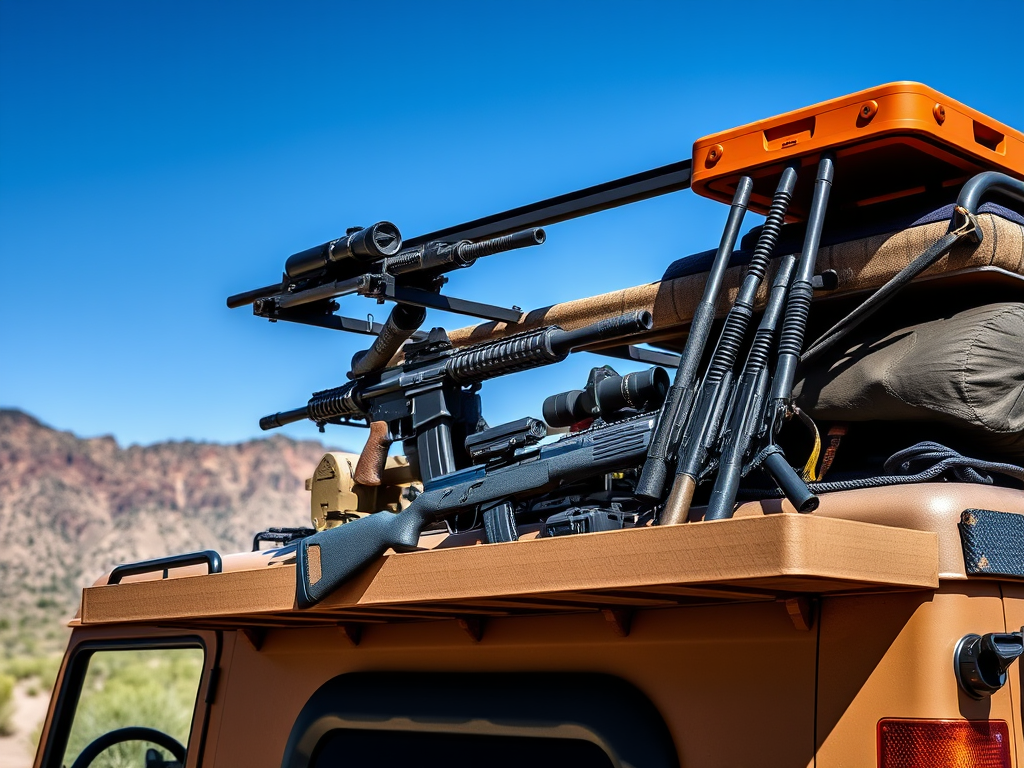
Transporting firearms while overlanding can present a unique set of challenges and potential pitfalls. Overlanding, which involves self-reliant travel to remote destinations where the journey is as important as the destination, often requires crossing multiple jurisdictions, each with its own set of laws and regulations regarding firearms. Understanding these potential pitfalls is crucial for ensuring a safe and legal journey.
The legal complexity of transporting firearms during overlanding is a multifaceted issue that requires careful navigation to avoid serious legal repercussions. This complexity arises from the diverse and often contradictory laws governing firearms across different jurisdictions, which can vary significantly from one region to another.
Firstly, at the international level, countries have their own set of regulations regarding the importation and possession of firearms. Some countries, like Japan and the United Kingdom, have very strict gun control laws that may outright prohibit the entry of firearms, regardless of the purpose. In contrast, countries like the United States have more lenient laws, but these can still vary widely from state to state. For instance, while some states allow open carry of firearms, others may require permits or have restrictions on the types of firearms that can be carried.
When crossing international borders, travelers must be aware of the specific requirements for declaring firearms. This often involves obtaining permits or licenses in advance, which can be a time-consuming and bureaucratic process. Failure to declare firearms at a border crossing can lead to severe penalties, including confiscation of the firearms, fines, or even arrest and imprisonment.
At the national level, within countries like the United States, each state has its own set of laws regarding firearms. This means that overlanders traveling across state lines must be aware of and comply with the laws of each state they enter. For example, some states have reciprocity agreements that recognize permits from other states, while others do not. Additionally, certain states have restrictions on magazine capacities or the types of firearms that can be legally transported.
Local municipalities can further complicate the legal landscape. Cities like New York and Chicago have their own stringent regulations that may differ from state laws. This patchwork of regulations requires travelers to conduct thorough research and possibly consult legal experts to ensure compliance.
The consequences of failing to adhere to these laws can be severe. Penalties may include hefty fines, confiscation of firearms, and in some cases, imprisonment. Legal battles can be costly and time-consuming, and they can significantly disrupt travel plans. Moreover, a criminal record resulting from firearms violations can have long-term implications, affecting future travel and employment opportunities.
To navigate these legal complexities, overlanders should take several proactive steps. First, they should conduct comprehensive research on the firearms laws of each jurisdiction they plan to enter. This includes understanding the requirements for permits, the types of firearms allowed, and any specific transportation regulations. Consulting with legal experts or local authorities can provide valuable insights and help ensure compliance.
Additionally, travelers should maintain meticulous records of their firearms, including serial numbers, purchase receipts, and any permits or licenses. This documentation can be crucial in the event of legal scrutiny or if firearms are lost or stolen.
The legal complexity of transporting firearms during overlanding is a significant concern that requires careful planning and adherence to a myriad of laws and regulations. By thoroughly researching and preparing for these legal challenges, overlanders can mitigate risks and ensure a smoother journey.
The risk of theft is a critical concern when transporting firearms during overlanding, as the nature of this type of travel often involves spending time in remote areas and leaving vehicles unattended. These conditions can make firearms an attractive target for thieves, necessitating a comprehensive security strategy to protect them.
One of the primary reasons firearms are at risk of theft during overlanding is the isolation of many overlanding routes. Remote locations often lack the security infrastructure found in more populated areas, such as surveillance cameras or regular police patrols. This isolation can embolden thieves, who may see overlanding vehicles as easy targets, especially if they are parked in secluded areas for extended periods.
To mitigate this risk, overlanders should invest in secure storage solutions for their firearms. Lockable storage compartments or safes specifically designed for firearms are essential. These safes should be bolted to the vehicle to prevent them from being easily removed. Additionally, using high-quality locks and ensuring that firearms are unloaded and secured with trigger locks can add extra layers of security.
Another important aspect of preventing theft is maintaining a low profile. Overlanders should avoid advertising the presence of firearms, both in their vehicle setup and in their behavior. This means not displaying gun-related stickers or decals on the vehicle, which can attract unwanted attention. Inside the vehicle, firearms should be stored out of sight, ideally in a concealed compartment or under other gear.
When setting up camp, overlanders should be strategic about their location. Choosing campsites that are less visible from main roads or trails can reduce the likelihood of being targeted by opportunistic thieves. Additionally, setting up camp in areas with other travelers can provide a sense of community security, as fellow overlanders can help keep an eye on each other’s belongings.
Technology can also play a role in enhancing security. Installing alarm systems in vehicles can deter thieves and alert the owner to any unauthorized access. GPS tracking devices can be attached to firearms or safes, providing a way to locate them if they are stolen. Some overlanders also use motion-activated cameras to monitor their campsite when they are away.
Finally, it’s important for overlanders to have a plan in place in case a theft does occur. This includes having detailed records of all firearms, including serial numbers and photographs, which can be crucial for law enforcement investigations and insurance claims. Reporting a theft promptly to local authorities increases the chances of recovery and helps protect the overlander from potential legal issues if the stolen firearms are used in a crime.
While the risk of theft is a significant pitfall when transporting firearms during overlanding, it can be effectively managed with careful planning and the implementation of robust security measures. By securing firearms properly, maintaining a low profile, and utilizing technology, overlanders can reduce the likelihood of theft and enjoy a safer journey.
Safety is paramount when transporting firearms during overlanding, as the combination of firearms and the unpredictable nature of off-road travel can present unique challenges. Ensuring the safe handling and storage of firearms is essential to prevent accidental discharge or misuse, which could have serious consequences.
One of the fundamental safety protocols is to ensure that firearms are unloaded during transport. This reduces the risk of accidental discharge, which can occur if a firearm is jostled or dropped. Overlanders should make it a habit to double-check that all firearms are unloaded before setting off on their journey. This practice should be repeated whenever firearms are handled or moved.
Using trigger locks is another important safety measure. Trigger locks prevent the firearm from being discharged by blocking the trigger mechanism. They are an effective way to add an extra layer of security, especially when firearms are stored in a vehicle. Overlanders should choose high-quality trigger locks that are durable and easy to use.
Storing ammunition separately from firearms is also crucial. This practice minimizes the risk of accidental discharge and ensures that, even if a firearm is accessed by an unauthorized person, it cannot be immediately used. Ammunition should be stored in a secure, locked container, ideally in a different part of the vehicle from where the firearms are stored.
The rugged terrain often encountered during overlanding presents additional safety challenges. Bumpy roads, steep inclines, and uneven surfaces can cause firearms to be jostled or shifted within the vehicle. To mitigate this risk, firearms should be securely fastened within their storage compartments. Using padded cases or foam inserts can help protect firearms from damage and reduce movement during travel.
Overlanders should also be aware of the potential for environmental factors to affect firearm safety. Extreme temperatures, humidity, and dust can impact the condition of firearms and ammunition. Regular maintenance, including cleaning and lubrication, is essential to ensure that firearms remain in safe working order. Overlanders should carry a basic cleaning kit and perform routine checks throughout their journey.
Education and training are critical components of firearm safety. Overlanders should be well-versed in the safe handling and operation of their firearms. This includes understanding how to safely load and unload firearms, how to engage and disengage safety mechanisms, and how to respond in the event of a malfunction. Participating in firearm safety courses can provide valuable knowledge and skills.
Finally, having a clear plan for emergency situations is important. Overlanders should know how to respond if an accidental discharge occurs, including providing first aid and contacting emergency services. Having a first aid kit readily accessible and knowing how to use it can be lifesaving in such situations.
Safety is a critical consideration when transporting firearms during overlanding. By adhering to strict safety protocols, such as ensuring firearms are unloaded, using trigger locks, and storing ammunition separately, overlanders can significantly reduce the risk of accidental discharge or misuse. Additionally, being mindful of the challenges posed by rugged terrain and maintaining firearms properly will contribute to a safer and more enjoyable journey.
Cultural and social considerations are crucial when transporting firearms during overlanding, as attitudes towards firearms can vary significantly across different regions and communities. Understanding and respecting these differences is essential to avoid misunderstandings or conflicts that could arise from the presence of firearms.
In many parts of the world, firearms are associated with violence and crime, leading to suspicion or hostility towards those who carry them. This perception can be particularly strong in regions that have experienced conflict or where gun violence is prevalent. In such areas, the sight of a firearm can evoke fear or anxiety among local residents, potentially leading to tense interactions or even confrontations.
To navigate these cultural sensitivities, overlanders should research the regions they plan to visit and familiarize themselves with local attitudes towards firearms. This includes understanding any historical or cultural factors that may influence these attitudes. For example, in some indigenous communities, firearms may be seen as tools for hunting and survival, while in others, they may be viewed as symbols of oppression or colonialism.
Respecting local customs and laws is paramount. Overlanders should ensure they are fully compliant with all legal requirements for transporting firearms in each jurisdiction they enter. This may involve obtaining permits, declaring firearms at border crossings, or adhering to specific transportation regulations. Failure to comply with these laws can exacerbate negative perceptions and lead to legal consequences.
Open communication with local authorities can also help mitigate potential issues. By informing local law enforcement or community leaders of their presence and intentions, overlanders can demonstrate respect for local norms and build trust. This communication can also provide an opportunity to clarify any misconceptions and ensure that authorities are aware of the legal status of the firearms being transported.
In addition to legal compliance, overlanders should be mindful of their behavior and how it may be perceived by local communities. This includes avoiding any actions that could be seen as threatening or aggressive, such as brandishing firearms or discussing them in a boastful manner. Maintaining a low profile and being discreet about the presence of firearms can help prevent unnecessary attention or alarm.
Engaging with local communities in a respectful and culturally sensitive manner is also important. Overlanders should take the time to learn about local customs, traditions, and languages, and approach interactions with humility and openness. Building positive relationships with local residents can foster mutual understanding and reduce the likelihood of conflicts arising from cultural differences.
Cultural and social considerations are an important aspect of transporting firearms during overlanding. By understanding and respecting local attitudes towards firearms, complying with legal requirements, and communicating openly with authorities, overlanders can navigate these challenges and ensure a more harmonious and respectful journey.
The psychological aspect of carrying firearms during overlanding is a significant consideration that can impact both the individual and the overall experience of the journey. The responsibility of carrying a weapon is not just a matter of physical safety but also involves mental and emotional preparedness.
Firstly, the presence of a firearm can alter an individual’s mindset. Carrying a weapon inherently involves a heightened sense of responsibility, as the individual must be prepared to use it appropriately and legally if necessary. This responsibility can be mentally taxing, especially for those who are not accustomed to handling firearms regularly. The knowledge that one might need to make split-second decisions in high-stress situations can create anxiety and stress.
High-stress situations are not uncommon during overlanding, given the unpredictable nature of the terrain and the potential for unexpected encounters with wildlife or other travelers. In such scenarios, the pressure to make the right decision regarding the use of a firearm can be overwhelming. Individuals must be confident in their ability to assess threats accurately and respond appropriately, which requires both mental fortitude and extensive training.
Training and competence with firearms are crucial for mitigating the psychological burden. Individuals should undergo comprehensive training that covers not only the technical aspects of firearm use but also situational awareness and decision-making under pressure. Regular practice can build confidence and ensure that individuals are prepared to handle firearms safely and effectively.
Moreover, individuals should assess their personal comfort level with carrying a firearm. Some people may find that the presence of a weapon provides a sense of security, while others may feel uneasy or stressed by the responsibility. It’s important for overlanders to be honest with themselves about their comfort and competence levels. If carrying a firearm feels more burdensome than reassuring, it may be worth reconsidering whether it is necessary for the journey.
The psychological impact of carrying a firearm can also extend to interactions with others. Overlanders should be aware of how their behavior and demeanor might change when armed. It’s important to remain calm, respectful, and non-confrontational in interactions with others, as the presence of a firearm can escalate tensions if not handled with care.
Finally, overlanders should have a plan for managing the psychological stress associated with carrying firearms. This might include strategies for stress reduction, such as mindfulness or relaxation techniques, as well as having a support system in place. Traveling with companions who are also trained and comfortable with firearms can provide reassurance and shared responsibility.
The psychological aspect of carrying firearms during overlanding is a critical consideration that requires careful reflection and preparation. By assessing their comfort level, undergoing thorough training, and developing strategies for managing stress, individuals can ensure that they are mentally and emotionally prepared for the responsibilities of carrying a firearm on their journey.
Conclusion
Transporting firearms during overlanding can indeed offer a sense of security, particularly in remote or unfamiliar areas where the presence of wildlife or potential threats from other humans might be a concern. However, this perceived security comes with a range of potential pitfalls that require careful consideration and preparation to ensure a safe and legally compliant journey.
Legal Complexities: The legal landscape surrounding firearms is intricate and varies widely across different jurisdictions. Overlanders must navigate a patchwork of international, national, state, and local laws, each with its own set of regulations regarding the possession, transportation, and use of firearms. This complexity necessitates thorough research and planning. Overlanders should familiarize themselves with the specific legal requirements of each area they plan to visit, including any necessary permits or declarations. Consulting legal experts or local authorities can provide clarity and help avoid inadvertent violations that could lead to severe penalties.
Risk of Theft: Firearms are valuable and can be attractive targets for theft, especially when vehicles are left unattended in remote areas. To mitigate this risk, overlanders should invest in secure storage solutions, such as lockable safes or compartments that are bolted to the vehicle. Maintaining a low profile by avoiding visible indicators of firearms, such as decals or open displays, can also reduce the likelihood of attracting unwanted attention. Additionally, choosing campsites wisely and employing technology like alarms or GPS trackers can enhance security.
Safety Concerns: Ensuring the safe handling and storage of firearms is paramount to prevent accidental discharge or misuse. This involves adhering to strict safety protocols, such as keeping firearms unloaded during transport, using trigger locks, and storing ammunition separately. The rugged terrain often encountered during overlanding can pose additional safety challenges, making it essential to secure firearms properly within the vehicle to prevent jostling or damage. Regular maintenance and training are crucial to maintaining safety standards.
Cultural Sensitivities: Attitudes towards firearms can vary significantly across different cultures and communities. In some regions, the presence of firearms may be viewed with suspicion or hostility, potentially leading to misunderstandings or conflicts. Overlanders should research and respect local customs and attitudes towards firearms, ensuring compliance with all legal requirements and communicating openly with local authorities if necessary. Building positive relationships with local communities through respectful engagement can help mitigate cultural tensions.
Psychological Burdens: Carrying a firearm involves a significant psychological responsibility. The potential need to use a weapon in high-stress situations can create anxiety and stress, particularly for those who are not accustomed to handling firearms regularly. Overlanders should assess their comfort level and competence with firearms, undergoing thorough training to build confidence and preparedness. Developing strategies for managing stress and having a support system in place can help alleviate the psychological burden.
While transporting firearms during overlanding can enhance security, it requires careful consideration of various challenges. By thoroughly researching and preparing for legal, safety, cultural, and psychological aspects, overlanders can navigate these pitfalls effectively. This preparation not only ensures compliance and safety but also contributes to a more enjoyable and harmonious journey, allowing travelers to focus on the adventure and exploration that overlanding offers.



 UTAZCO Overland
Leave a Reply