
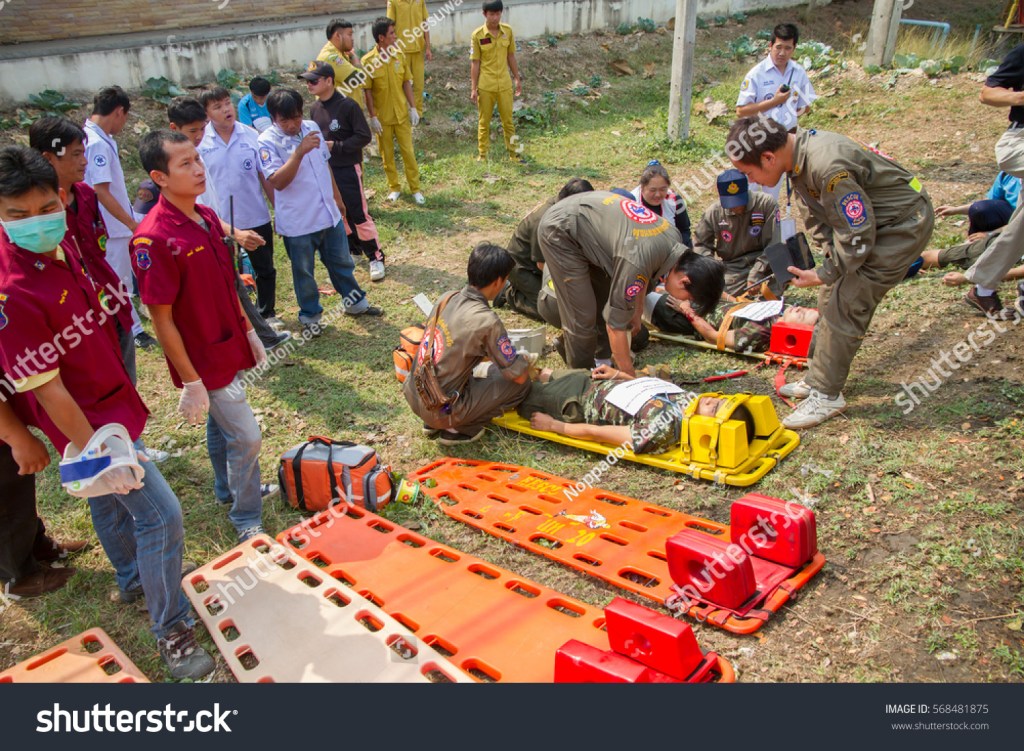
Introduction
Mass casualty events are incidents that result in a large number of casualties, overwhelming the local healthcare and emergency response systems. These events can arise from various causes, including natural disasters like earthquakes and hurricanes, human-made disasters such as terrorist attacks and industrial accidents, or pandemics that spread rapidly across populations. The defining characteristic of a mass casualty event is the sudden influx of victims requiring immediate medical attention, which can strain resources and challenge the capabilities of responders.
The impact of mass casualty events on communities is profound and multifaceted. Beyond the immediate physical injuries and loss of life, these events can lead to long-term psychological trauma, economic disruption, and social instability. Communities may face challenges in rebuilding infrastructure, restoring public services, and addressing the mental health needs of survivors and responders. The ripple effects of such events can be felt for years, underscoring the importance of effective preparedness and response strategies.
Preparedness and training for first responders and healthcare professionals are crucial in mitigating the impact of mass casualty events. First responders, including emergency medical technicians (EMTs), paramedics, firefighters, and police officers, are often the first on the scene and play a critical role in stabilizing victims, managing the scene, and coordinating with other agencies. Healthcare professionals, including doctors, nurses, and hospital staff, must be prepared to handle a sudden surge of patients, triage effectively, and provide life-saving care under pressure.
Training equips these individuals with the skills and knowledge necessary to respond efficiently and effectively. It involves not only medical and technical skills but also the ability to work collaboratively within an incident command structure, communicate clearly under stress, and make rapid decisions in dynamic environments. Continuous training and drills ensure that responders remain proficient and adaptable to evolving threats and challenges.
This essay will explore the specific training required for effective response to mass casualty events. It will begin by examining the core competencies needed by responders, followed by an analysis of medical training and triage systems. The essay will then delve into the Incident Command System (ICS) and its role in coordinating response efforts. Subsequent sections will cover disaster preparedness and planning, interagency coordination, psychological first aid, technological tools, community engagement, and the importance of continuous learning and improvement. Through this comprehensive exploration, the essay aims to highlight the critical components of training that enable responders to protect and serve their communities during mass casualty events.
Understanding Mass Casualty Events
Mass casualty events are defined as incidents that result in a significant number of casualties, overwhelming the local emergency response and healthcare systems. These events can vary widely in nature and origin, but they share the common feature of requiring a coordinated and rapid response to manage the influx of victims and mitigate further harm. Understanding the different types of mass casualty events, their characteristics, and the challenges they present is crucial for effective preparedness and response.
Definition and Examples
Mass casualty events can be broadly categorized into three main types: natural disasters, human-made disasters, and pandemics.
- Natural Disasters: These include events such as earthquakes, hurricanes, floods, and wildfires. Natural disasters can cause widespread destruction, displacing populations and causing numerous injuries and fatalities. For example, the 2010 Haiti earthquake resulted in an estimated 230,000 deaths and left millions injured and homeless, overwhelming the country’s healthcare infrastructure.
- Terrorist Attacks: These are deliberate acts of violence intended to cause mass harm and panic. Examples include the September 11, 2001, attacks in the United States and the 2004 Madrid train bombings. Such events often result in numerous casualties and require a swift and coordinated response from emergency services.
- Pandemics: These are outbreaks of infectious diseases that spread rapidly across populations, such as the COVID-19 pandemic. Pandemics can lead to a high number of casualties over an extended period, straining healthcare systems and requiring a sustained response effort.
Characteristics and Challenges of Mass Casualty Incidents
Mass casualty incidents are characterized by several key features that present unique challenges to responders:
- Scale and Complexity: The sheer number of casualties can overwhelm local resources, necessitating the mobilization of additional personnel and equipment from surrounding areas or even nationally. The complexity of the incident may involve multiple hazards, such as fires, structural collapses, or hazardous materials, complicating the response efforts.
- Time Sensitivity: The need for rapid assessment and intervention is critical in mass casualty events. Delays in response can lead to increased mortality and morbidity. Effective triage systems are essential to prioritize care and allocate resources efficiently.
- Resource Limitations: Mass casualty events often occur in environments where resources are limited or have been compromised. This includes shortages of medical supplies, personnel, and infrastructure, which can hinder the ability to provide adequate care.
- Communication and Coordination: Effective communication and coordination among responding agencies are vital to managing the incident. This includes establishing a clear command structure, sharing information, and coordinating the deployment of resources.
The Role of First Responders and Healthcare Systems
First responders and healthcare systems play a pivotal role in managing mass casualty events. Their responsibilities include:
- First Responders: These include emergency medical technicians (EMTs), paramedics, firefighters, and police officers. They are often the first on the scene and are responsible for assessing the situation, providing initial medical care, and coordinating with other agencies. Their training in triage, trauma care, and incident management is crucial for stabilizing victims and preventing further harm.
- Healthcare Systems: Hospitals and healthcare facilities must be prepared to handle a sudden influx of patients. This involves implementing surge capacity plans, ensuring the availability of critical supplies and equipment, and coordinating with public health agencies. Healthcare professionals must be trained in mass casualty protocols, including triage, trauma care, and infection control measures.
Understanding mass casualty events involves recognizing the diverse nature of these incidents, the challenges they present, and the critical roles played by first responders and healthcare systems. Effective training and preparedness are essential to ensure a coordinated and efficient response, ultimately saving lives and reducing the impact on affected communities.
Core Competencies for Responders
In the context of mass casualty events, responders are required to operate in high-pressure environments where quick and effective action can mean the difference between life and death. To navigate these challenging situations, responders must possess a set of core competencies that enable them to perform their duties efficiently and effectively. These competencies include critical thinking and decision-making under pressure, communication skills for coordination and information dissemination, and psychological resilience and stress management.
Critical Thinking and Decision-Making Under Pressure
- Rapid Assessment and Prioritization: Responders must quickly assess the situation, identify hazards, and prioritize actions. This involves evaluating the severity of injuries, determining the most urgent needs, and allocating resources accordingly. The ability to make swift, informed decisions is crucial in managing the chaos of a mass casualty event.
- Problem-Solving Skills: Mass casualty events often present complex and dynamic challenges that require creative problem-solving. Responders must be able to adapt to changing circumstances, develop contingency plans, and implement solutions on the fly. This requires a deep understanding of emergency protocols and the ability to think critically under pressure.
- Situational Awareness: Maintaining situational awareness is essential for effective decision-making. Responders must be aware of their surroundings, the status of victims, and the actions of other team members. This awareness allows them to anticipate potential issues and adjust their strategies accordingly.
Communication Skills for Coordination and Information Dissemination
- Clear and Concise Communication: Effective communication is vital for coordinating efforts among multiple agencies and responders. Clear and concise communication ensures that information is accurately conveyed, reducing the risk of misunderstandings and errors. This includes verbal communication, written reports, and the use of communication technology.
- Interagency Collaboration: Mass casualty events often involve multiple agencies, including emergency medical services, fire departments, law enforcement, and public health organizations. Responders must be skilled in collaborating with these agencies, sharing information, and working towards common goals. This requires an understanding of each agency’s roles and responsibilities and the ability to foster a cooperative environment.
- Public Communication: In addition to internal communication, responders may need to communicate with the public, providing updates and instructions. This requires the ability to convey complex information in a way that is easily understood by non-experts, helping to manage public expectations and reduce panic.
Psychological Resilience and Stress Management
- Coping with Stress: Responders are exposed to high levels of stress during mass casualty events, which can impact their performance and well-being. Developing coping mechanisms and stress management techniques is essential for maintaining focus and effectiveness. This may include mindfulness practices, breathing exercises, and debriefing sessions.
- Emotional Intelligence: Responders must be able to manage their emotions and remain calm in the face of adversity. Emotional intelligence involves recognizing and regulating one’s emotions, as well as empathizing with victims and colleagues. This competency helps responders maintain professionalism and provide compassionate care.
- Support Systems and Peer Support: Building a strong support network is crucial for psychological resilience. Responders should have access to mental health resources, peer support groups, and counseling services. Encouraging open communication about mental health and promoting a culture of support can help responders cope with the emotional toll of their work.
The core competencies of critical thinking and decision-making under pressure, communication skills, and psychological resilience are essential for responders in mass casualty events. These skills enable them to navigate complex and high-stress situations, coordinate effectively with other agencies, and maintain their well-being while providing critical care to those in need. Continuous training and development in these areas are vital to ensuring that responders are prepared to meet the demands of their roles.
Medical Training and Triage
In mass casualty events, the ability to provide rapid and effective medical care is crucial to saving lives and minimizing long-term health impacts. Medical training and triage are foundational components of a responder’s skill set, enabling them to assess, prioritize, and treat victims efficiently. This section explores the importance of advanced medical training, the role of triage systems and protocols, and the necessity of training in trauma care and life-saving interventions.
Importance of Advanced Medical Training
- Emergency Medical Technicians (EMTs) and Paramedics: EMTs and paramedics are often the first medical professionals on the scene of a mass casualty event. Their training equips them with the skills to perform initial assessments, provide basic life support, and stabilize patients for transport to medical facilities. Advanced training for paramedics includes more complex procedures such as intravenous therapy, advanced airway management, and medication administration.
- Nursing and Advanced Practice Providers: Nurses and advanced practice providers, such as nurse practitioners and physician assistants, play a critical role in hospital settings during mass casualty events. Their training includes patient assessment, wound care, and the administration of medications and treatments. Advanced practice providers may also perform procedures such as suturing and intubation, expanding the capacity of healthcare teams to manage a high volume of patients.
- Continuous Education and Specialization: Continuous education and specialization in areas such as trauma nursing, critical care, and disaster medicine are essential for maintaining proficiency and expanding the skill set of medical professionals. Specialized training programs and certifications, such as Advanced Trauma Life Support (ATLS) and Prehospital Trauma Life Support (PHTLS), provide additional expertise in managing complex trauma cases.
Triage Systems and Protocols
- START (Simple Triage and Rapid Treatment): The START triage system is widely used in mass casualty events to quickly categorize patients based on the severity of their injuries. It uses a color-coded system (red, yellow, green, black) to prioritize patients for treatment and transport. START is designed to be simple and efficient, allowing responders to make rapid decisions in chaotic environments.
- SALT (Sort, Assess, Lifesaving Interventions, Treatment/Transport): The SALT triage system is another widely recognized protocol that emphasizes the assessment of patients’ needs and the provision of life-saving interventions. SALT incorporates a more detailed assessment process and considers factors such as the likelihood of survival and available resources. It is particularly useful in complex scenarios where resources are limited.
- Training and Drills: Training in triage systems is essential for ensuring that responders can apply these protocols effectively in real-world situations. Regular drills and simulations help responders practice their skills, improve decision-making, and adapt to different scenarios. These exercises also provide opportunities to evaluate and refine triage protocols based on lessons learned.
Training in Trauma Care and Life-Saving Interventions
- Hemorrhage Control: Uncontrolled bleeding is a leading cause of preventable death in trauma cases. Training in hemorrhage control techniques, such as the application of tourniquets, wound packing, and the use of hemostatic agents, is critical for responders. These skills enable them to stabilize patients and prevent further deterioration before they reach definitive care.
- Airway Management: Effective airway management is essential for ensuring adequate oxygenation and ventilation in trauma patients. Training in techniques such as bag-valve-mask ventilation, endotracheal intubation, and the use of supraglottic airway devices equips responders to manage compromised airways and prevent respiratory failure.
- Advanced Trauma Care: Advanced trauma care training includes the management of complex injuries, such as chest trauma, head injuries, and spinal cord injuries. Responders learn to perform interventions such as needle decompression for tension pneumothorax, cervical spine stabilization, and the administration of fluids and medications to support hemodynamic stability.
Advanced medical training and proficiency in triage systems and trauma care are essential for responders in mass casualty events. These skills enable them to assess and prioritize patients effectively, provide life-saving interventions, and optimize outcomes for those affected. Continuous training and practice ensure that responders remain prepared to meet the demands of these challenging situations.
Incident Command System (ICS) Training
The Incident Command System (ICS) is a standardized management framework designed to enable effective and efficient incident management, particularly in complex and high-pressure situations such as mass casualty events. ICS provides a structured approach to command, control, and coordination, ensuring that all responding agencies can work together seamlessly. Understanding the ICS framework, the roles and responsibilities within it, and the available training programs is crucial for responders to manage mass casualty events effectively.
Overview of the ICS Framework and Its Importance in Mass Casualty Events
- Standardization and Flexibility: ICS is a standardized approach that provides a common language and structure for incident management. It is flexible and scalable, allowing it to be adapted to incidents of any size or complexity. This flexibility is particularly important in mass casualty events, where the situation can evolve rapidly and require adjustments in response strategies.
- Unified Command and Coordination: ICS facilitates a unified command structure, enabling multiple agencies to collaborate and coordinate their efforts. This is essential in mass casualty events, where various agencies, including emergency medical services, fire departments, law enforcement, and public health organizations, must work together to manage the incident effectively.
- Resource Management: ICS provides a framework for managing resources efficiently, ensuring that personnel, equipment, and supplies are allocated where they are needed most. This is critical in mass casualty events, where resource demands can quickly exceed local capacities.
Roles and Responsibilities Within the ICS
- Incident Commander: The Incident Commander (IC) is responsible for overall incident management and decision-making. The IC sets objectives, develops strategies, and ensures that all activities are coordinated and aligned with the incident’s goals. In mass casualty events, the IC must balance competing priorities and make rapid decisions to protect lives and property.
- Command Staff: The Command Staff includes key roles that support the IC, such as the Public Information Officer (PIO), Safety Officer, and Liaison Officer. The PIO manages communication with the public and media, the Safety Officer ensures the safety of responders and the public, and the Liaison Officer coordinates with other agencies and organizations.
- General Staff: The General Staff is responsible for specific functional areas within the ICS. It includes the Operations Section Chief, Planning Section Chief, Logistics Section Chief, and Finance/Administration Section Chief. Each of these roles has distinct responsibilities:
- Operations Section: Manages tactical operations and implements the incident action plan.
- Planning Section: Collects and analyzes information, develops plans, and maintains documentation.
- Logistics Section: Provides resources and services to support the incident response.
- Finance/Administration Section: Manages financial, administrative, and cost analysis aspects of the incident.
Training Programs and Certifications
- FEMA ICS Courses: The Federal Emergency Management Agency (FEMA) offers a series of ICS training courses designed to provide responders with the knowledge and skills needed to implement the ICS framework effectively. These courses range from introductory to advanced levels and cover various aspects of incident management.
- ICS-100: Introduction to the Incident Command System: This course provides a basic overview of ICS, including its history, principles, and structure. It is designed for all personnel involved in incident management.
- ICS-200: Basic Incident Command System for Initial Response: This course builds on ICS-100 and focuses on the application of ICS in initial response operations. It is intended for personnel who will assume supervisory roles.
- ICS-300: Intermediate ICS for Expanding Incidents: This course provides more advanced training for personnel who will be involved in managing expanding incidents. It covers the development of incident action plans and resource management.
- ICS-400: Advanced ICS for Command and General Staff: This course is designed for senior personnel who will assume command and general staff roles. It focuses on complex incident management and multi-agency coordination.
- Certification and Continuous Learning: Completing ICS training courses and obtaining certifications is essential for responders to demonstrate their proficiency in incident management. Continuous learning and participation in exercises and drills help responders maintain their skills and stay updated on best practices.
ICS training is a critical component of preparedness for mass casualty events. By providing a standardized framework for incident management, ICS enables responders to coordinate effectively, manage resources efficiently, and achieve incident objectives. Training programs and certifications ensure that responders are equipped with the knowledge and skills needed to implement ICS successfully in real-world situations.
Disaster Preparedness and Planning
Disaster preparedness and planning are crucial components of managing and mitigating the impacts of natural and man-made disasters. Here’s a more detailed exploration of the key elements involved:
Developing and Implementing Emergency Response Plans
- Objective Setting: The primary goal is to minimize the impact of disasters on people, property, and the environment. This involves setting clear objectives for response efforts.
- Resource Allocation: Identifying and allocating necessary resources such as personnel, equipment, and supplies is essential. This includes establishing partnerships with local agencies, NGOs, and private sector entities.
- Communication Strategies: Effective communication plans ensure that information is disseminated quickly and accurately to all stakeholders, including the public, emergency responders, and government officials.
- Roles and Responsibilities: Clearly defining roles and responsibilities for all involved parties helps streamline the response process and reduces confusion during an actual event.
- Evacuation Plans: Developing detailed evacuation plans, including routes and shelters, is critical for ensuring the safety of affected populations.
- Recovery and Continuity Plans: These plans focus on restoring normalcy and rebuilding after a disaster, ensuring that essential services and functions can continue or resume quickly.
Conducting Risk Assessments and Vulnerability Analyses
- Identifying Hazards: This involves recognizing potential hazards that could impact a community, such as earthquakes, floods, hurricanes, or industrial accidents.
- Assessing Vulnerabilities: Understanding which populations, structures, and systems are most vulnerable to these hazards helps prioritize planning efforts.
- Impact Analysis: Estimating the potential impacts of identified hazards on the community, including economic, social, and environmental effects.
- Mitigation Strategies: Developing strategies to reduce vulnerabilities and mitigate the impacts of potential disasters, such as building codes, land-use planning, and public education campaigns.
- Regular Updates: Risk assessments and vulnerability analyses should be updated regularly to reflect changes in the environment, infrastructure, and population.
Importance of Drills and Simulations in Preparedness
- Testing Plans: Drills and simulations provide an opportunity to test emergency response plans in a controlled environment, identifying strengths and weaknesses.
- Training Personnel: They serve as training exercises for emergency responders, helping them become familiar with their roles and responsibilities.
- Public Awareness: Involving the community in drills increases public awareness and understanding of emergency procedures, which can improve compliance and cooperation during actual events.
- Improving Coordination: These exercises enhance coordination among different agencies and organizations, ensuring a more unified response during real disasters.
- Feedback and Improvement: After-action reviews of drills and simulations provide valuable feedback that can be used to refine and improve emergency response plans.
Overall, disaster preparedness and planning are dynamic processes that require continuous evaluation and adaptation to effectively protect communities from the impacts of disasters.
Interagency Coordination and Collaboration
Interagency coordination and collaboration are essential for effective disaster response and management. They ensure that various agencies work together seamlessly to provide comprehensive support during emergencies. Here’s a detailed exploration of the key elements involved:
Training for Effective Collaboration Between Different Agencies
- Joint Training Exercises: Regular joint training exercises involving police, fire departments, emergency medical services (EMS), hospitals, and other relevant agencies help build familiarity and trust among personnel. These exercises simulate real-life scenarios to practice coordinated responses.
- Communication Protocols: Establishing clear communication protocols is crucial for ensuring that all agencies can share information quickly and accurately. Training should focus on using common communication tools and platforms.
- Role Clarification: Training sessions should clarify the roles and responsibilities of each agency to prevent overlap and ensure that all tasks are covered efficiently during an emergency.
- Incident Command System (ICS): Training in the ICS framework helps agencies operate under a unified command structure, facilitating better coordination and decision-making during incidents.
- Cultural Competency: Understanding the culture and operational procedures of different agencies can improve collaboration. Training programs should include components that address these differences.
Importance of Mutual Aid Agreements and Resource Sharing
- Resource Optimization: Mutual aid agreements allow agencies to share resources such as personnel, equipment, and facilities, optimizing the use of available assets and reducing response times.
- Scalability: These agreements enable a scalable response to emergencies, allowing agencies to quickly mobilize additional resources when needed.
- Cost Efficiency: Sharing resources can reduce costs for individual agencies, as they do not need to maintain a full complement of resources independently.
- Standardization: Mutual aid agreements often include standardized procedures and protocols, which help ensure consistency and interoperability among different agencies.
- Legal and Administrative Frameworks: These agreements provide a legal and administrative framework for cooperation, addressing issues such as liability, reimbursement, and jurisdictional authority.
Case Studies of Successful Interagency Responses
- Hurricane Katrina (2005): While initially criticized for poor coordination, the response to Hurricane Katrina eventually highlighted the importance of interagency collaboration. The establishment of the Unified Command Group improved coordination among federal, state, and local agencies, leading to more effective resource allocation and recovery efforts.
- 9/11 Terrorist Attacks (2001): The response to the 9/11 attacks in New York City demonstrated the critical role of interagency collaboration. The integration of police, fire, EMS, and federal agencies under a unified command structure facilitated efficient rescue and recovery operations.
- California Wildfires: The California wildfires have repeatedly shown the effectiveness of mutual aid agreements. Fire departments from across the state and even from other states have collaborated to combat large-scale fires, sharing resources and personnel to protect communities.
- Boston Marathon Bombing (2013): The response to the Boston Marathon bombing was a successful example of interagency coordination. Local, state, and federal agencies worked together seamlessly, utilizing joint command centers and communication systems to manage the crisis and apprehend the suspects.
These examples underscore the importance of interagency coordination and collaboration in managing complex emergencies. By training together, sharing resources, and learning from past experiences, agencies can enhance their collective response capabilities and better protect communities.
Psychological First Aid and Mental Health Support
Psychological first aid (PFA) and mental health support are critical components of disaster response, addressing the emotional and psychological needs of both victims and responders. Here’s a detailed exploration of these elements:
Training in Psychological First Aid for Victims and Responders
- Understanding PFA: Psychological first aid is an evidence-informed approach designed to reduce initial distress and foster short- and long-term adaptive functioning. It is not professional counseling but rather a supportive intervention.
- Core Principles: Training focuses on the core principles of PFA, which include ensuring safety, providing comfort, stabilizing individuals, gathering information on needs and concerns, and connecting individuals to social support and services.
- Responder Training: First responders, including police, firefighters, and EMS personnel, are trained in PFA to help them provide immediate emotional support to victims. This training helps responders recognize signs of distress and apply appropriate interventions.
- Cultural Sensitivity: PFA training includes components on cultural sensitivity to ensure that responders can effectively support individuals from diverse backgrounds.
- Self-Care for Responders: Training also emphasizes the importance of self-care for responders, helping them manage their own stress and emotional reactions to traumatic events.
Recognizing and Addressing Mental Health Needs Post-Incident
- Early Identification: Recognizing signs of mental health issues such as anxiety, depression, and post-traumatic stress disorder (PTSD) is crucial for early intervention. This involves monitoring both victims and responders for symptoms.
- Screening and Assessment: Mental health professionals conduct screenings and assessments to identify individuals who may need further support or treatment.
- Immediate Support Services: Providing immediate access to mental health services, such as crisis counseling and support groups, helps address acute psychological needs.
- Community Outreach: Engaging with the community through outreach programs can help identify individuals who may not seek help on their own and provide them with necessary resources.
- Stigma Reduction: Efforts to reduce the stigma associated with mental health issues encourage individuals to seek help and support.
Long-term Mental Health Support Strategies
- Ongoing Counseling and Therapy: Long-term support may include individual or group therapy to help individuals process their experiences and develop coping strategies.
- Support Networks: Establishing support networks, such as peer support groups, can provide ongoing emotional and social support for those affected by a disaster.
- Resilience Building: Programs focused on building resilience help individuals develop skills to cope with future stressors and challenges.
- Monitoring and Follow-up: Regular follow-up with individuals who have received mental health support ensures that they continue to receive the care they need and can adjust treatment plans as necessary.
- Integration with Community Services: Integrating mental health support with other community services, such as housing and employment assistance, addresses the broader needs of individuals and supports their overall recovery.
- Policy and Advocacy: Advocating for policies that support mental health funding and resources ensures that communities are better prepared to provide long-term support.
By implementing these strategies, communities can effectively address the psychological and emotional impacts of disasters, promoting recovery and resilience among both victims and responders.
Technological Tools and Innovations
Technological advancements play a crucial role in enhancing the efficiency and effectiveness of disaster response and management. Here’s a detailed exploration of how technology is utilized in mass casualty response and emergency management:
Use of Technology in Mass Casualty Response
- Geographic Information Systems (GIS):
- Mapping and Analysis: GIS technology is used to map disaster-affected areas, analyze spatial data, and identify critical infrastructure and vulnerable populations.
- Resource Allocation: It helps in planning and optimizing the allocation of resources by providing real-time data on affected areas.
- Drones:
- Aerial Surveillance: Drones provide aerial views of disaster zones, allowing responders to assess damage, locate survivors, and identify hazards without risking human lives.
- Delivery of Supplies: They can be used to deliver medical supplies, food, and other essentials to areas that are difficult to access.
- Telemedicine:
- Remote Consultations: Telemedicine enables healthcare providers to offer remote consultations and medical advice to victims and responders in the field.
- Specialist Access: It allows access to specialists who may not be physically present, improving the quality of care provided in emergency situations.
Training in the Use of Emergency Management Software and Communication Tools
- Emergency Management Software:
- Incident Management: Software platforms like WebEOC and Crisis Track help manage incidents by providing tools for tracking resources, personnel, and tasks.
- Data Integration: These platforms integrate data from various sources, offering a comprehensive view of the situation and aiding in decision-making.
- Communication Tools:
- Interoperable Systems: Training focuses on using interoperable communication systems that allow different agencies to communicate seamlessly.
- Real-time Updates: Tools like mobile apps and satellite phones provide real-time updates and facilitate coordination among responders.
- Simulation and Virtual Reality:
- Training Simulations: Virtual reality and simulation tools are used to create realistic training scenarios, helping responders practice and refine their skills.
- Scenario Planning: These tools allow for scenario planning and testing of response strategies in a controlled environment.
Innovations in Medical Technology and Their Application in the Field
- Portable Diagnostic Devices:
- Rapid Testing: Portable devices enable rapid testing and diagnosis of injuries and illnesses in the field, facilitating timely treatment.
- Point-of-Care Ultrasound: Handheld ultrasound devices allow for quick assessment of internal injuries without the need for large equipment.
- Wearable Technology:
- Vital Signs Monitoring: Wearable devices can monitor vital signs of patients and responders, providing continuous health data and alerting to any abnormalities.
- Location Tracking: Wearables with GPS capabilities help track the location of responders and victims, improving coordination and safety.
- Advanced Medical Kits:
- Smart Bandages: These bandages can monitor wound healing and deliver medication directly to the site, enhancing recovery.
- 3D Printing: Portable 3D printers can produce medical supplies and prosthetics on-site, reducing the need for large inventories.
- Robotics:
- Search and Rescue: Robots equipped with sensors and cameras can navigate hazardous environments to locate and assist victims.
- Medical Assistance: Robotic systems can perform tasks such as delivering medications and assisting in surgeries in remote or dangerous locations.
By integrating these technological tools and innovations, emergency response teams can enhance their capabilities, improve efficiency, and ultimately save more lives during mass casualty incidents. Continuous training and adaptation to new technologies are essential to fully leverage these advancements in the field.
Community Engagement and Public Education
Community engagement and public education are vital components of disaster preparedness and resilience. They empower individuals and communities to take proactive steps in preparing for and responding to disasters. Here’s a detailed exploration of these elements:
Importance of Community Involvement in Disaster Preparedness
- Local Knowledge and Resources:
- Leveraging Local Expertise: Community members possess valuable local knowledge about the geography, culture, and social dynamics of their area, which can enhance disaster planning and response efforts.
- Resource Identification: Communities can identify local resources, such as shelters and supply depots, that can be utilized during emergencies.
- Building Trust and Cooperation:
- Strengthening Relationships: Involving the community in preparedness efforts builds trust and cooperation between residents and emergency management agencies.
- Shared Responsibility: Community involvement fosters a sense of shared responsibility, encouraging individuals to take ownership of their preparedness efforts.
- Tailored Solutions:
- Customized Plans: Engaging the community allows for the development of disaster plans that are tailored to the specific needs and vulnerabilities of the area.
- Inclusive Strategies: It ensures that the needs of diverse groups, including vulnerable populations, are considered in disaster planning.
Training Programs for Community Volunteers and Non-Professionals
- Community Emergency Response Teams (CERT):
- Basic Training: CERT programs provide basic training in disaster response skills, such as fire safety, light search and rescue, and first aid, enabling volunteers to assist in emergencies.
- Ongoing Drills: Regular drills and exercises help volunteers maintain their skills and readiness.
- First Aid and CPR Training:
- Life-Saving Skills: Training in first aid and CPR equips community members with essential skills to provide immediate assistance to injured individuals before professional help arrives.
- Disaster Preparedness Workshops:
- Educational Sessions: Workshops educate community members on how to prepare for various types of disasters, including creating emergency kits and developing family communication plans.
- Leadership Development:
- Empowering Leaders: Training programs focus on developing leadership skills among community members, enabling them to coordinate and lead local response efforts.
Public Education Campaigns to Enhance Community Resilience
- Awareness Campaigns:
- Information Dissemination: Public education campaigns disseminate information about potential hazards, warning signs, and safety measures through various media channels.
- Risk Communication: Effective communication strategies help convey the importance of preparedness and the steps individuals can take to protect themselves.
- School Programs:
- Youth Engagement: Educational programs in schools teach children about disaster preparedness, encouraging them to share this knowledge with their families.
- Interactive Learning: Activities such as drills and simulations engage students in hands-on learning experiences.
- Community Events and Fairs:
- Engagement Opportunities: Events such as disaster preparedness fairs provide opportunities for community members to learn about resources, meet emergency responders, and participate in interactive demonstrations.
- Digital Platforms and Social Media:
- Online Resources: Websites, apps, and social media platforms offer accessible resources and tools for disaster preparedness, reaching a broad audience.
- Real-Time Updates: Social media provides real-time updates and alerts during emergencies, keeping the community informed and connected.
- Partnerships with Local Organizations:
- Collaborative Efforts: Partnering with local businesses, NGOs, and faith-based organizations can amplify the reach and impact of public education campaigns.
By actively engaging communities and providing education and training, individuals are better equipped to respond to disasters, reducing their impact and enhancing overall community resilience. These efforts create a culture of preparedness that benefits everyone involved.
Continuous Learning and Improvement
Continuous learning and improvement are essential for enhancing the effectiveness of disaster response and preparedness efforts. By systematically evaluating past actions and integrating new knowledge, organizations and communities can better prepare for future incidents. Here’s a detailed exploration of these elements:
Importance of After-Action Reviews and Debriefings
- Evaluating Performance:
- Objective Assessment: After-action reviews (AARs) provide an objective assessment of the response to a disaster or emergency, identifying what worked well and what did not.
- Feedback Collection: Debriefings involve collecting feedback from all participants, including responders, volunteers, and affected community members, to gain diverse perspectives.
- Identifying Strengths and Weaknesses:
- Highlighting Successes: AARs recognize successful strategies and practices that can be reinforced and replicated in future responses.
- Addressing Gaps: They also identify gaps and weaknesses in the response, such as communication breakdowns or resource shortages, that need to be addressed.
- Promoting Accountability:
- Responsibility and Ownership: Conducting AARs promotes accountability by encouraging individuals and organizations to take responsibility for their actions and decisions during the response.
- Facilitating Open Communication:
- Safe Environment: Debriefings create a safe environment for open communication, allowing participants to express concerns and suggestions without fear of blame.
Incorporating Lessons Learned into Training Programs
- Curriculum Development:
- Updating Content: Training programs should be regularly updated to incorporate lessons learned from past incidents, ensuring that they reflect current challenges and solutions.
- Scenario-Based Learning: Incorporating real-life scenarios and case studies into training helps participants understand the practical application of lessons learned.
- Adaptive Training Methods:
- Flexible Approaches: Training programs should adopt flexible approaches that can be tailored to different audiences and learning styles, incorporating new insights and techniques.
- Continuous Feedback Loop:
- Iterative Improvement: Establishing a continuous feedback loop between training and real-world experiences allows for ongoing refinement and improvement of training content and methods.
- Cross-Disciplinary Learning:
- Integrating Diverse Perspectives: Lessons learned from various disciplines and sectors can be integrated into training programs, promoting a holistic understanding of disaster response.
Staying Updated with the Latest Research and Best Practices
- Engaging with Research:
- Academic Partnerships: Collaborating with academic institutions and research organizations helps access the latest findings and innovations in disaster management.
- Research Translation: Translating research into practical applications ensures that new knowledge is effectively integrated into response strategies.
- Professional Development:
- Workshops and Conferences: Attending workshops, conferences, and seminars provides opportunities for networking and learning about emerging trends and best practices.
- Certifications and Courses: Pursuing certifications and courses in emergency management and related fields helps professionals stay current with industry standards.
- Knowledge Sharing Platforms:
- Online Communities: Participating in online forums and communities allows for the exchange of ideas and experiences with peers from around the world.
- Resource Libraries: Accessing resource libraries and databases provides valuable information on best practices and case studies.
- Adopting New Technologies:
- Innovation Integration: Staying informed about technological advancements and integrating them into response efforts can enhance efficiency and effectiveness.
- Pilot Testing: Conducting pilot tests of new tools and technologies allows for evaluation and adaptation before full-scale implementation.
By prioritizing continuous learning and improvement, organizations and communities can enhance their preparedness and response capabilities, ultimately leading to more resilient and adaptive systems. This commitment to learning ensures that past experiences inform future actions, reducing the impact of disasters and improving outcomes for affected populations.
Conclusion
In the realm of disaster preparedness and response, comprehensive training and continuous improvement are pivotal in effectively managing mass casualty events. Here’s a detailed exploration of these concluding points:
Recap of the Importance of Comprehensive Training for Mass Casualty Events
- Preparedness and Readiness:
- Skill Development: Comprehensive training equips responders with the necessary skills and knowledge to handle complex and high-pressure situations effectively.
- Confidence Building: Well-trained personnel are more confident in their abilities, which enhances their performance during actual events.
- Coordination and Collaboration:
- Interagency Cooperation: Training fosters better coordination and collaboration among different agencies, ensuring a unified and efficient response.
- Role Clarity: It clarifies roles and responsibilities, reducing confusion and overlap during emergencies.
- Community Involvement:
- Empowering Volunteers: Training programs for community volunteers empower them to assist in response efforts, expanding the pool of available resources.
- Public Awareness: Educating the public about disaster preparedness increases community resilience and reduces the overall impact of disasters.
- Adaptability:
- Scenario-Based Training: Incorporating realistic scenarios into training helps responders adapt to various situations and challenges they may encounter.
The Role of Continuous Improvement and Adaptation in Response Strategies
- Learning from Experience:
- After-Action Reviews: Conducting after-action reviews and debriefings allows organizations to learn from past experiences, identifying strengths and areas for improvement.
- Incorporating Feedback: Continuous feedback from responders and community members helps refine response strategies and training programs.
- Staying Current:
- Research and Innovation: Keeping up with the latest research and technological advancements ensures that response strategies remain effective and relevant.
- Best Practices: Adopting best practices from other regions and sectors enhances the overall quality of response efforts.
- Flexibility and Adaptation:
- Dynamic Strategies: Response strategies must be flexible and adaptable to changing circumstances and emerging threats.
- Resilience Building: Continuous improvement efforts contribute to building resilience, enabling communities to recover more quickly from disasters.
Call to Action for Investment in Training and Preparedness Initiatives
- Resource Allocation:
- Funding and Support: Governments, organizations, and communities must prioritize funding and support for training and preparedness initiatives to ensure readiness for mass casualty events.
- Infrastructure Development: Investing in infrastructure, such as training facilities and technology, enhances the capacity for effective training and response.
- Public-Private Partnerships:
- Collaborative Efforts: Encouraging partnerships between public agencies, private sector entities, and non-governmental organizations can amplify the reach and impact of preparedness initiatives.
- Shared Resources: Leveraging shared resources and expertise can lead to more comprehensive and effective training programs.
- Community Engagement:
- Inclusive Participation: Engaging diverse community members in preparedness efforts ensures that all voices are heard and that strategies are inclusive and equitable.
- Awareness Campaigns: Launching public education campaigns raises awareness about the importance of preparedness and encourages individual and collective action.
- Commitment to Excellence:
- Continuous Commitment: A sustained commitment to excellence in training and preparedness is essential for building resilient communities capable of withstanding and recovering from mass casualty events.
Comprehensive training, continuous improvement, and strategic investment in preparedness initiatives are fundamental to enhancing disaster response capabilities. By prioritizing these efforts, we can build stronger, more resilient communities that are better equipped to face the challenges of mass casualty events.




 UTAZCO Overland
Leave a Reply