
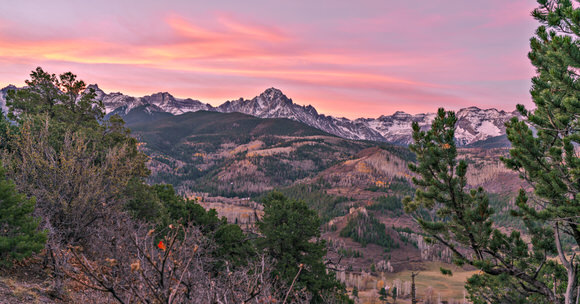
Overlanding and photography are two pursuits that, when combined, create a harmonious blend of adventure and artistry. Both activities share a common thread: the exploration of the unknown and the desire to capture and preserve the beauty of the natural world. This essay explores why and how overlanding and photography complement each other so well, highlighting the synergy between the thrill of the journey and the art of capturing moments.
Check out my Fine Art Prints site for examples of this exact synergy!
Overlanding (Or Off-Roading)
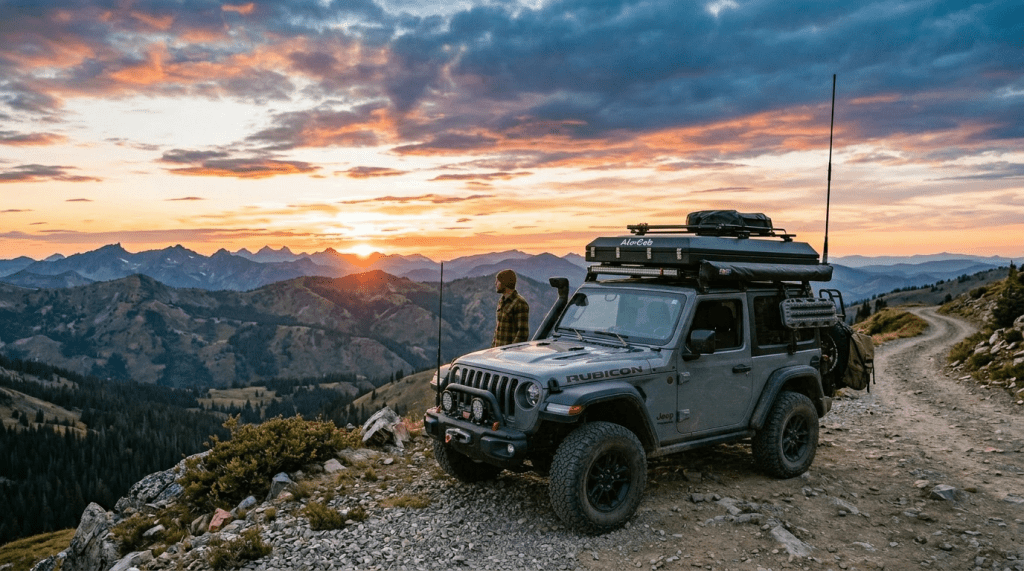
Overlanding is a unique form of travel that emphasizes exploration and self-reliance, setting it apart from conventional tourism. At its core, overlanding is about venturing into the unknown, embracing the challenges of the journey, and experiencing the world in its most unadulterated form. This mode of travel is characterized by its focus on remote and rugged terrains, often requiring a four-wheel-drive vehicle equipped to handle off-road conditions. The journey itself becomes the primary focus, rather than just the destination, allowing adventurers to immerse themselves in the landscapes they traverse.
The essence of overlanding lies in its ability to take travelers off the beaten path, away from the well-trodden routes of mainstream tourism. This pursuit of the road less traveled leads adventurers to breathtaking landscapes that are often untouched by urban development. These areas, whether they be expansive deserts, dense forests, or towering mountain ranges, offer a pristine canvas for exploration. The absence of human interference in these environments allows overlanders to experience nature in its purest form, fostering a deep connection with the natural world.
Self-reliance is a fundamental aspect of overlanding. Travelers must be prepared to navigate challenging terrains, often without the convenience of nearby amenities or services. This requires careful planning, resourcefulness, and the ability to adapt to changing conditions. Overlanders must be equipped with the necessary tools and supplies to sustain themselves, from food and water to spare parts and recovery gear. This self-sufficiency not only enhances the sense of adventure but also instills a profound sense of accomplishment and independence.
For photographers, overlanding presents a unique opportunity to capture the raw beauty of nature. The remote and untouched landscapes encountered during an overlanding journey provide a wealth of subjects for photography. From the dramatic play of light and shadow across a desert dune to the serene reflection of a mountain peak in a secluded lake, these scenes offer endless possibilities for creative expression. The challenge of capturing these moments in often harsh and unpredictable conditions adds to the allure, pushing photographers to hone their skills and adapt to the environment.
Moreover, the journey itself becomes a narrative, with each day presenting new vistas and experiences to document. Photographers can capture the essence of the overlanding lifestyle, from the camaraderie around a campfire to the solitude of a sunrise over an empty horizon. These images not only serve as personal mementos but also as a means to share the beauty and wonder of the natural world with others.
Overlanding is a pursuit that embodies exploration and self-reliance, offering adventurers the chance to experience the world in its most authentic form. The journey through remote and rugged terrains provides a unique opportunity for photographers to capture the raw beauty of nature, creating a powerful synergy between the thrill of adventure and the art of photography. Through overlanding, travelers can forge a deeper connection with the natural world, discovering both the vastness of the landscapes and the resilience within themselves.
Photography
Photography is a powerful art form that allows individuals to capture fleeting moments and tell compelling stories through images. At its heart, photography is about observation and interpretation, requiring photographers to see the world in unique ways and convey their vision through the lens. This pursuit of capturing moments is driven by a quest for unique perspectives, dramatic lighting, and compelling subjects, all of which are abundantly provided by the practice of overlanding.
Overlanding, with its focus on exploration and adventure, offers photographers a dynamic and ever-changing canvas. The landscapes encountered during an overlanding journey are diverse and often breathtaking, ranging from towering mountain ranges to expansive deserts, lush forests, and serene coastlines. Each of these environments presents its own set of challenges and opportunities for photographers, encouraging them to adapt their techniques and perspectives to capture the essence of the scene.
One of the most captivating aspects of photography in the context of overlanding is the interplay of light and shadow in natural settings. The quality of light can dramatically transform a landscape, creating moods and atmospheres that are both ephemeral and enchanting. The golden hours of sunrise and sunset, for example, bathe the landscape in warm, soft light, casting long shadows and highlighting textures that might otherwise go unnoticed. Photographers must be attuned to these changes, ready to seize the moment when the light is just right to create stunning compositions.
The challenge of capturing these moments lies in the unpredictability of nature. Weather conditions, time of day, and geographical features all influence the quality of light and the appearance of the landscape. Photographers must be patient and adaptable, often waiting for hours to capture the perfect shot or returning to a location multiple times to achieve the desired result. This process of observation and adaptation not only hones their technical skills but also deepens their connection to the environment.
Moreover, overlanding provides photographers with access to remote and less-explored locations, offering subjects that are rare and distinctive. The solitude and tranquility of these settings allow photographers to focus on the details and nuances of the landscape, capturing images that convey a sense of place and evoke emotion. Whether it’s the intricate patterns of a sand dune, the rugged texture of a mountain face, or the delicate play of light on a forest canopy, these subjects offer endless possibilities for creative expression.
In addition to landscapes, overlanding also presents opportunities to capture the human element of the journey. The camaraderie among travelers, the interactions with local communities, and the moments of solitude and reflection all contribute to the narrative of the overlanding experience. These human stories add depth and context to the images, transforming them from mere representations of place to evocative tales of adventure and discovery.
Photography thrives on capturing moments and telling stories, and overlanding provides a rich tapestry of opportunities for photographers to explore. The diverse and ever-changing landscapes encountered during an overlanding journey offer a wealth of subjects, while the interplay of light and shadow creates stunning compositions that challenge and reward photographers. Through the lens, photographers can capture the beauty and wonder of the natural world, sharing their unique perspectives and stories with others.
Complementation
Adventure
The synergy between overlanding and photography is deeply rooted in the shared sense of adventure that both pursuits embody. At their core, both activities encourage individuals to venture beyond the familiar, embrace the unknown, and adapt to ever-changing conditions. This spirit of adventure is a driving force that not only fuels the passion for exploration but also enhances the overall experience, making each journey and each photograph a unique and rewarding endeavor.
Overlanding is inherently adventurous, as it involves traveling to remote and often challenging terrains. This form of travel requires individuals to step out of their comfort zones, leaving behind the conveniences of modern life to immerse themselves in the natural world. The unpredictability of the journey—whether it’s navigating through rugged mountain passes, crossing vast deserts, or fording rivers—demands adaptability and resilience. Overlanders must be prepared to face unexpected obstacles, from mechanical breakdowns to sudden weather changes, and find creative solutions to overcome them.
This spirit of adventure is mirrored in photography, where capturing the perfect shot often requires a similar willingness to embrace uncertainty and experiment with new techniques. Photographers are constantly seeking unique perspectives and compositions, which often means venturing into unfamiliar environments or waiting patiently for the right moment. The quest for the perfect shot can lead photographers to climb to precarious vantage points, endure harsh weather conditions, or experiment with unconventional angles and lighting. This willingness to take risks and push boundaries is what allows photographers to capture truly remarkable images.
The unpredictable nature of both overlanding and photography means that no two journeys or photographs are ever the same. Each overlanding trip presents new landscapes, challenges, and experiences, while each photograph captures a moment in time that can never be replicated. This uniqueness adds to the excitement and satisfaction of both pursuits, as adventurers and photographers alike are constantly discovering new aspects of the world and themselves.
Moreover, the sense of adventure inherent in both overlanding and photography fosters a deeper connection with the environment and a greater appreciation for the beauty and complexity of the natural world. As overlanders traverse diverse landscapes, they gain a firsthand understanding of the intricacies of ecosystems, the impact of weather patterns, and the resilience of wildlife. Similarly, photographers develop a keen eye for detail, learning to observe and appreciate the subtle nuances of light, color, and texture.
The combination of overlanding and photography also encourages individuals to document and share their experiences, creating a narrative that captures the essence of their adventures. Through images and stories, they can convey the thrill of discovery, the challenges overcome, and the beauty encountered along the way. This storytelling aspect not only enriches their own experience but also inspires others to embark on their own journeys of exploration and creativity.
The sense of adventure that both overlanding and photography embody is a key reason why they complement each other so well. The willingness to step out of comfort zones, embrace the unknown, and adapt to changing conditions is a shared trait that enhances the excitement and satisfaction of both pursuits. Through overlanding and photography, individuals can explore the world in unique and meaningful ways, capturing moments and stories that celebrate the spirit of adventure and the beauty of the natural world.
Remote Locations
Overlanding offers a unique opportunity for photographers to access remote and less-explored locations that are often beyond the reach of conventional travel methods. This access is one of the most compelling aspects of combining overlanding with photography, as it allows photographers to capture images that are both rare and distinctive, providing viewers with a glimpse into the hidden corners of the world.
The essence of overlanding lies in its ability to take travelers off the beaten path, venturing into areas that are untouched by urban development and mass tourism. These remote locations, whether they be secluded mountain valleys, expansive deserts, dense forests, or isolated coastlines, offer a pristine and unspoiled canvas for photographers. The absence of human interference in these environments allows photographers to capture the raw beauty of nature in its most authentic form.
The rarity and distinctiveness of the images captured in these remote locations are what make them so valuable. Photographers have the opportunity to document landscapes and wildlife that few have seen, offering a fresh perspective on the natural world. These images can evoke a sense of wonder and curiosity in viewers, inspiring them to appreciate and protect these fragile ecosystems. The ability to capture such unique and compelling images is a testament to the adventurous spirit of overlanding and the dedication of photographers who seek to explore the unknown.
In addition to the visual appeal of these remote locations, the solitude and tranquility they offer provide an ideal environment for photographers to connect with nature and find inspiration. Away from the distractions and noise of urban life, photographers can immerse themselves in the natural world, observing the subtle changes in light, color, and texture that define each landscape. This connection with nature fosters a deeper appreciation for its beauty and complexity, inspiring photographers to capture images that convey the essence of the environment.
The solitude of these remote locations also allows photographers to engage in introspection and creativity. Without the pressures of time and external demands, they can experiment with different techniques, compositions, and perspectives, pushing the boundaries of their craft. This freedom to explore and create is a vital aspect of the artistic process, enabling photographers to develop their unique style and voice.
Moreover, the journey to these remote locations often involves overcoming challenges and adapting to changing conditions, which can enhance the sense of accomplishment and satisfaction in capturing the perfect shot. The effort required to reach these hidden corners of the world adds value to the images, as they become a testament to the photographer’s perseverance and dedication.
Overlanding provides photographers with unparalleled access to remote and less-explored locations, allowing them to capture rare and distinctive images that offer viewers a glimpse into the hidden corners of the world. The solitude and tranquility of these environments provide an ideal setting for photographers to connect with nature, find inspiration, and push the boundaries of their creativity. Through overlanding and photography, individuals can explore and document the beauty of the natural world, sharing their unique perspectives and stories with others.
Creative Possibilities
The synergy between overlanding and photography has been significantly enhanced by technological advancements in both fields, transforming the way adventurers explore and document their journeys. These innovations have not only made overlanding more accessible and efficient but have also expanded the creative possibilities for photographers, enabling them to capture and share their experiences with unprecedented precision and creativity.
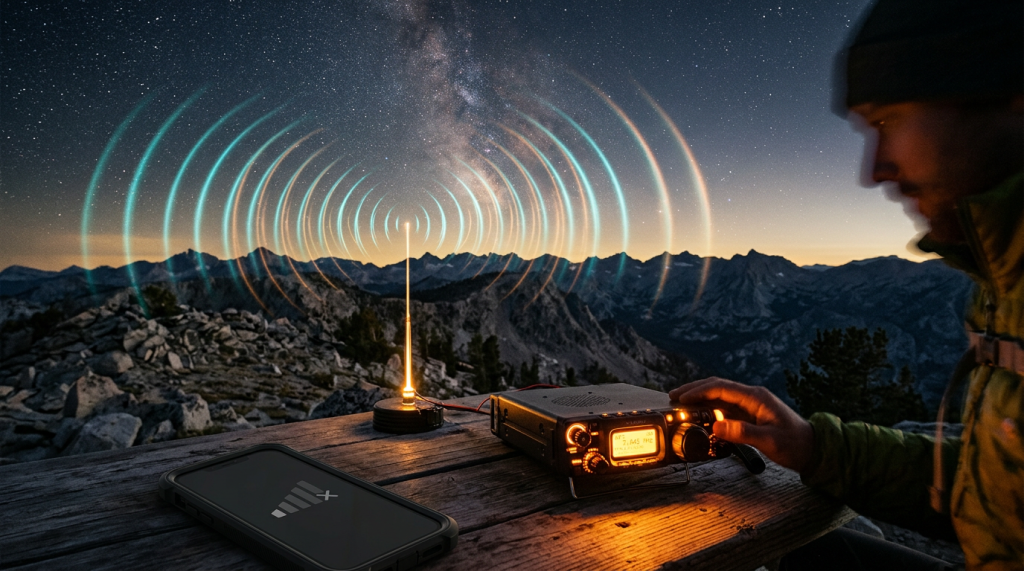
Modern overlanding vehicles are now equipped with advanced navigation systems that allow travelers to explore remote and challenging terrains with greater confidence and safety. GPS technology, satellite communication, and digital mapping tools provide real-time information on routes, weather conditions, and potential obstacles, enabling overlanders to plan their journeys more effectively and adapt to changing conditions. This technological support allows adventurers to venture further into uncharted territories, accessing locations that were previously difficult to reach.
In parallel, advancements in photography equipment have revolutionized the way images and videos are captured in the field. Rugged cameras designed to withstand harsh environments, from extreme temperatures to dust and moisture, ensure that photographers can document their journeys without compromising on quality. These cameras often come with features such as high-resolution sensors, image stabilization, and fast autofocus, allowing photographers to capture stunning images even in challenging conditions.
The integration of drones into the overlanding and photography toolkit has further expanded the creative possibilities. Drones provide a unique aerial perspective, enabling photographers to capture sweeping landscapes and dynamic shots that would be impossible to achieve from the ground. This bird’s-eye view offers a new dimension to storytelling, allowing adventurers to showcase the scale and grandeur of the environments they explore. Drones equipped with high-definition cameras can capture both still images and videos, providing a versatile tool for documenting the journey.
The ability to capture high-quality images and videos in challenging environments has opened up new possibilities for storytelling and sharing experiences with a wider audience. Social media platforms, blogs, and online communities provide a space for adventurers to share their journeys, inspiring others with their stories and images. The immediacy and reach of digital media allow photographers to connect with a global audience, fostering a sense of community and shared passion for exploration and discovery.
Moreover, the combination of overlanding and photography technology has enabled the creation of immersive and interactive content. Virtual reality (VR) and 360-degree photography allow viewers to experience the journey as if they were there, providing a more engaging and immersive experience. This technology not only enhances the storytelling aspect but also raises awareness about the beauty and fragility of the natural world, encouraging conservation and responsible exploration.
The synergy between overlanding and photography has been greatly enhanced by technological advancements in both fields. Modern navigation systems, rugged cameras, and drones have transformed the way adventurers explore and document their journeys, enabling them to capture high-quality images and videos in challenging environments. These innovations have opened up new possibilities for storytelling and sharing experiences with a wider audience, inspiring others to embark on their own journeys of exploration and creativity. Through the lens of technology, overlanding and photography continue to evolve, offering new ways to connect with the world and each other.
Conclusion
The relationship between overlanding and photography is a harmonious blend that enriches both pursuits, offering a profound and rewarding experience for those who engage in them. At the heart of this synergy is the shared spirit of exploration and adventure that drives both overlanders and photographers to seek out the unknown and capture the essence of the natural world.
Overlanding, with its emphasis on journeying through remote and rugged terrains, provides photographers with unparalleled opportunities to capture the beauty and diversity of the natural world. The landscapes encountered during an overlanding expedition are often untouched by human development, offering a pristine canvas for photographers to explore. From the vastness of a desert landscape to the serenity of a mountain vista, these environments present a wealth of subjects that inspire creativity and evoke emotion. The challenges of capturing these scenes in their raw and unfiltered state push photographers to hone their skills and develop a deeper connection with the environment.
Conversely, the art of photography enhances the overlanding experience by allowing adventurers to document their journeys and share their stories with others. Through the lens, overlanders can capture the moments and memories that define their travels, creating a visual narrative that celebrates the thrill of discovery and the beauty of the world around them. These images serve as a testament to the challenges overcome, the landscapes traversed, and the connections made along the way. By sharing their photographs, overlanders can inspire others to embark on their own journeys, fostering a sense of community and shared passion for exploration.
Together, overlanding and photography create a powerful synergy that celebrates both the thrill of adventure and the artistry of capturing moments in time. This combination offers a rich and rewarding experience for those who seek to explore and document the world around them. The journey becomes more than just a physical endeavor; it transforms into a creative exploration that deepens one’s appreciation for the natural world and the stories it holds.
Moreover, the integration of technology in both fields has further enhanced this synergy, providing new tools and platforms for capturing and sharing experiences. Advanced navigation systems, rugged cameras, and drones have expanded the possibilities for exploration and documentation, while digital media allows for the immediate sharing of stories and images with a global audience. This technological evolution continues to push the boundaries of what is possible, offering new ways to connect with the world and each other.
In essence, overlanding and photography together offer a unique and fulfilling way to engage with the world, encouraging individuals to step out of their comfort zones, embrace the unknown, and capture the beauty and wonder of the natural world. Whether it’s the solitude of a remote wilderness or the camaraderie of a shared journey, the combination of overlanding and photography provides a rich tapestry of experiences that celebrate the spirit of adventure and the art of storytelling.

 UTAZCO Overland
Leave a Reply