
Camping in the wilderness is an increasingly popular activity for those seeking to disconnect from the digital world and immerse themselves in the natural environment. This experience offers a profound sense of freedom and tranquility, allowing individuals to appreciate the beauty of untouched landscapes, observe wildlife in their natural habitats, and engage in activities such as hiking, fishing, and stargazing. The wilderness provides a stark contrast to urban life, offering a space where the only sounds are the rustling of leaves, the chirping of birds, and the gentle flow of a nearby stream. This connection with nature can be rejuvenating, offering mental and physical health benefits, such as reduced stress, improved mood, and increased physical activity.
However, the allure of the wilderness is accompanied by inherent risks and challenges that must be acknowledged and prepared for. The remote nature of these environments means that the conveniences and safety nets of modern life are often absent. Cell phone reception can be unreliable or nonexistent, weather conditions can change rapidly, and the terrain can be unpredictable. Additionally, the presence of wildlife, while enchanting, can pose dangers if not respected and understood. These factors contribute to a setting where even minor incidents can quickly escalate into serious situations.
In this context, the knowledge of first aid and emergency medical procedures becomes not just beneficial but essential. The wilderness demands a level of self-reliance and preparedness that is not typically required in more controlled environments. When professional medical help is hours or even days away, the ability to respond effectively to injuries or illnesses is crucial for ensuring the safety and survival of oneself and others.
First aid knowledge equips campers with the skills to address a wide range of potential emergencies. For instance, understanding how to treat cuts, scrapes, and blisters can prevent infections that might otherwise become debilitating. Knowing how to recognize and respond to symptoms of dehydration, hypothermia, or heatstroke can prevent life-threatening conditions. In more severe cases, such as fractures, dislocations, or cardiac events, first aid training provides the tools to stabilize the injured person until they can receive professional medical care.
Moreover, the wilderness often requires improvisation with limited resources. Campers may need to use natural materials to create splints or bandages, or they may need to rely on their knowledge of the environment to find safe drinking water or edible plants. This adaptability is a critical component of wilderness first aid, as it allows individuals to make the most of their surroundings in emergency situations.
The importance of first aid knowledge extends beyond individual safety; it also enhances the overall camping experience. Being prepared for emergencies allows campers to focus on enjoying their time in nature, rather than worrying about potential risks. It fosters a sense of confidence and competence, empowering individuals to explore more remote and challenging environments. Additionally, it encourages a culture of safety and responsibility within the camping community, where individuals look out for one another and share their knowledge and skills.
While camping in the wilderness offers unparalleled opportunities for connection with nature and personal growth, it also presents unique risks that must be managed through preparation and knowledge. First aid and emergency medical procedures are vital skills for anyone venturing into these remote areas, ensuring that they can respond effectively to emergencies and enjoy their wilderness experience to the fullest. By equipping themselves with these skills, campers not only protect their own well-being but also contribute to a safer and more responsible outdoor community.
The wilderness, with its breathtaking landscapes and sense of adventure, also presents a unique set of challenges that can lead to injuries or medical emergencies. The very elements that make the wilderness appealing—its rugged terrain, unpredictable weather, and diverse wildlife—also contribute to the heightened risk of accidents and health issues. In such an environment, knowing first aid and emergency medical procedures is not just advantageous; it is crucial for survival.
Uneven terrain is a hallmark of wilderness areas, from rocky trails and steep inclines to dense forests and slippery riverbanks. These conditions increase the likelihood of physical injuries such as cuts, sprains, and fractures. A simple misstep can lead to a twisted ankle or a fall, resulting in a sprain or even a broken bone. In these situations, immediate first aid is essential to prevent further injury and to manage pain. For example, knowing how to immobilize a fracture with a makeshift splint or how to properly wrap a sprain can prevent additional damage and facilitate recovery.
Weather in the wilderness can be unpredictable and extreme, ranging from scorching heat to sudden downpours or freezing temperatures. Exposure to these elements can lead to conditions such as hypothermia, heat exhaustion, or heatstroke. Recognizing the symptoms of these conditions and knowing how to respond is critical. For instance, treating hypothermia involves gradually warming the affected person, while heatstroke requires rapid cooling and hydration. Without prompt and appropriate intervention, these conditions can quickly become life-threatening.
Encounters with wildlife, while often a highlight of the wilderness experience, can also pose significant risks. Insect bites, such as those from bees or ticks, can cause severe allergic reactions in some individuals, leading to anaphylaxis—a rapid and potentially fatal condition. Knowing how to administer an epinephrine injection and perform CPR if necessary can save a life. Similarly, snake bites require specific first aid measures to slow the spread of venom and stabilize the victim until they can receive antivenom treatment.
In more severe medical emergencies, such as a heart attack or stroke, the ability to provide immediate care is even more critical. In the wilderness, where emergency medical services may be hours away, knowing how to perform CPR or use an automated external defibrillator (AED) can sustain life until professional help arrives. These skills are vital in maintaining blood circulation and oxygen flow to the brain, significantly increasing the chances of survival and recovery.
Moreover, the psychological impact of being able to administer first aid should not be underestimated. In an emergency, panic and fear can hinder effective response. However, individuals trained in first aid are more likely to remain calm and focused, providing reassurance to the injured person and others in the group. This composure can prevent the situation from escalating and ensure that the necessary steps are taken promptly and efficiently.
The ability to administer first aid and emergency medical procedures in the wilderness is a life-saving skill that cannot be overstated. The risks associated with uneven terrain, unpredictable weather, and wildlife encounters necessitate a proactive approach to safety and preparedness. By equipping themselves with first aid knowledge, campers can effectively manage injuries and medical emergencies, ensuring their safety and that of their companions in the remote and challenging environment of the wilderness.
The wilderness, with its inherent unpredictability and potential hazards, can be an intimidating environment, especially when faced with a medical emergency. In such situations, the psychological state of those involved plays a crucial role in the outcome. Panic and fear can quickly escalate a manageable situation into a crisis, leading to poor decision-making and increased risk. This is where the value of first aid knowledge becomes evident, as it empowers individuals to handle emergencies with confidence and composure.
First aid training equips campers with the skills and knowledge needed to assess and respond to a wide range of medical situations. This preparation instills a sense of confidence that is crucial when faced with an emergency. Knowing what steps to take and how to prioritize actions allows individuals to approach the situation methodically, reducing the likelihood of errors and ensuring that the injured person receives appropriate care. For example, understanding the ABCs of first aid—Airway, Breathing, and Circulation—provides a clear framework for assessing and addressing life-threatening conditions.
The ability to remain calm and focused during an emergency is a significant advantage. Panic can cloud judgment, leading to hasty decisions that may worsen the situation. In contrast, a calm and composed demeanor allows individuals to think clearly, evaluate the circumstances accurately, and make informed decisions. This level-headedness is particularly important in the wilderness, where resources may be limited, and the consequences of mistakes can be severe.
Moreover, the presence of a calm and knowledgeable individual can have a reassuring effect on others in the group. In a stressful situation, people often look to those who appear confident and in control for guidance and support. A person trained in first aid can provide this leadership, helping to maintain morale and prevent panic from spreading. This reassurance is vital for the overall well-being of the group, as it fosters a sense of security and trust.
Maintaining morale is not just about emotional comfort; it also has practical implications for safety. A group that remains calm and composed is more likely to work together effectively, communicate clearly, and follow instructions. This cooperation is essential for managing the emergency efficiently and minimizing the risk of further accidents. For instance, if a group needs to evacuate an injured person from a remote location, coordinated efforts and clear communication are crucial for ensuring a safe and successful evacuation.
Furthermore, the confidence gained from first aid training extends beyond the immediate emergency. It encourages a proactive approach to safety, where individuals are more likely to anticipate potential risks and take preventive measures. This mindset contributes to a safer camping experience overall, as campers are better prepared to handle unexpected situations and mitigate hazards before they lead to emergencies.
First aid knowledge is a powerful tool that empowers campers to handle medical emergencies with confidence and composure. By reducing panic and fostering a calm and focused response, first aid training enhances decision-making, reassures others, and maintains group morale. These benefits are invaluable in the wilderness, where the ability to manage emergencies effectively can significantly impact the safety and well-being of all involved.
First aid knowledge extends beyond the immediate response to injuries and emergencies; it plays a vital role in preventing injuries and illnesses in the first place. This preventative aspect of first aid is particularly important in the wilderness, where the consequences of seemingly minor issues can quickly escalate due to the remote and challenging environment. By understanding how to prevent and manage potential health risks, campers can significantly enhance their safety and well-being.
One of the fundamental aspects of first aid is the ability to properly clean and dress wounds. In the wilderness, even small cuts and abrasions can become serious if not treated correctly, as they are susceptible to infection from dirt and bacteria. First aid training teaches individuals how to clean wounds effectively, apply antiseptics, and dress them with appropriate materials to protect against infection. This knowledge helps prevent complications that could lead to more severe health issues, such as cellulitis or sepsis, which are much harder to manage in a remote setting.
Recognizing the signs of environmental illnesses, such as hypothermia and heatstroke, is another critical component of first aid knowledge. Hypothermia can occur in cold, wet conditions, even during mild weather, and can be life-threatening if not addressed promptly. First aid training helps individuals identify early symptoms, such as shivering, confusion, and fatigue, and provides strategies for warming the affected person, such as using dry clothing and insulating materials. Similarly, understanding the signs of heatstroke—such as high body temperature, altered mental state, and lack of sweating—enables campers to take immediate action to cool the person down and prevent further harm.
Proper management of hydration and nutrition is also essential for preventing health issues in the wilderness. Dehydration can impair physical and cognitive function, increasing the risk of accidents and heat-related illnesses. First aid training emphasizes the importance of maintaining adequate fluid intake, recognizing the signs of dehydration, and knowing how to treat it. Additionally, understanding nutritional needs and planning meals that provide sufficient energy and nutrients can prevent fatigue and maintain overall health during outdoor activities.
Awareness of potential environmental hazards is another crucial aspect of first aid knowledge that contributes to injury prevention. The wilderness is home to various risks, such as poisonous plants, unstable terrain, and wildlife encounters. First aid training often includes education on identifying and avoiding these hazards. For example, recognizing plants like poison ivy or poison oak and knowing how to treat exposure can prevent painful rashes. Understanding the stability of terrain and using proper techniques for navigating challenging landscapes can reduce the risk of falls and injuries.
Moreover, first aid knowledge encourages a proactive approach to safety, where individuals are more likely to assess their surroundings and anticipate potential risks. This mindset leads to better preparation, such as carrying appropriate gear, wearing suitable clothing, and planning routes that account for environmental conditions. By taking these proactive measures, campers can minimize the likelihood of accidents and ensure a safer outdoor experience.
First aid knowledge is not only about responding to emergencies but also about preventing injuries and illnesses in the wilderness. By understanding how to clean and dress wounds, recognize environmental illnesses, manage hydration and nutrition, and identify potential hazards, campers can prevent minor issues from escalating into serious problems. This preventative approach enhances safety, allowing individuals to enjoy their wilderness adventures with greater confidence and peace of mind.
In the wilderness, the ability to improvise with limited resources is a critical component of effective first aid. Unlike urban environments, where medical supplies and professional help are readily accessible, the remote nature of wilderness settings often means that campers must rely on their ingenuity and the materials at hand to address medical needs. This resourcefulness is not only a practical necessity but also a vital skill that can make a significant difference in the outcome of an emergency situation.
First aid training often emphasizes the importance of improvisation, teaching individuals how to adapt and use available resources creatively. This skill is particularly valuable in the wilderness, where a fully stocked first aid kit may not be available, or supplies may run out during an extended trip. Understanding how to repurpose common items found in nature or carried for other purposes can help address a variety of medical issues.
For instance, creating a splint to immobilize a fracture or sprain is a common necessity in the wilderness. While commercial splints are ideal, they may not always be available. In such cases, campers can use sturdy sticks, trekking poles, or even rolled-up magazines as makeshift splints. These can be secured with bandanas, belts, or strips of cloth torn from clothing. This improvisation helps stabilize the injury, reducing pain and preventing further damage until professional medical care can be obtained.
Similarly, bandages and dressings can be improvised using available materials. Clean cloth, such as a T-shirt or a piece of a sleeping bag liner, can be used to cover wounds and control bleeding. Adhesive tape or duct tape, often carried for gear repairs, can be used to secure dressings in place. In the absence of antiseptic wipes, clean water can be used to rinse wounds, and honey or sugar can serve as temporary antibacterial agents due to their natural properties.
Creating slings to support an injured arm or shoulder is another area where improvisation is essential. A triangular bandage is ideal, but in its absence, a long-sleeved shirt or a scarf can be fashioned into a sling. The key is to ensure that the injured limb is supported comfortably and securely, minimizing movement and reducing pain.
Improvisation also extends to managing environmental conditions. For example, if someone is experiencing hypothermia and extra clothing or blankets are not available, leaves, pine needles, or other insulating materials can be used to create a makeshift shelter or bedding to retain body heat. Conversely, in hot conditions, a hat or shirt can be soaked in water and worn to help cool the body.
The ability to improvise with limited resources requires not only creativity but also a solid understanding of first aid principles. Training provides the foundational knowledge needed to assess situations accurately and determine the most effective use of available materials. This adaptability is crucial in the wilderness, where conditions can change rapidly, and the nearest hospital or pharmacy is not within easy reach.
The ability to improvise with limited resources is a vital aspect of first aid in the wilderness. By learning how to creatively use available materials to address medical needs, campers can effectively manage injuries and illnesses in remote settings. This resourcefulness enhances safety and self-reliance, ensuring that individuals are better prepared to handle emergencies and enjoy their wilderness experiences with confidence.
First aid training instills a mindset of responsibility and preparedness that is crucial for anyone venturing into the wilderness. This mindset goes beyond the immediate application of medical skills; it influences how campers plan and execute their trips, ensuring that they are equipped to handle potential challenges and emergencies. By fostering a proactive approach to safety, first aid training enhances both the security and enjoyment of outdoor adventures.
One of the key aspects of this preparedness is the careful planning of trips. Campers who are knowledgeable about first aid are more likely to consider a wide range of factors before setting out. This includes assessing weather conditions, which can change rapidly in the wilderness and significantly impact safety. Understanding the forecast allows campers to pack appropriate clothing and gear, such as rain jackets, thermal layers, or sun protection, to mitigate the risks associated with exposure to the elements.
Terrain is another critical consideration. First aid-trained campers are more likely to research and understand the challenges posed by the landscape they plan to explore. This includes recognizing areas that may be prone to landslides, flash floods, or other natural hazards. By selecting routes that match the skill level and physical capabilities of their group, they can reduce the risk of accidents and ensure that everyone can enjoy the experience safely.
The physical capabilities and health conditions of group members are also important factors in trip planning. Campers with first aid training are more attuned to the needs and limitations of their companions, allowing them to tailor activities and pace accordingly. This consideration helps prevent overexertion, dehydration, and other health issues that can arise from pushing beyond one’s limits.
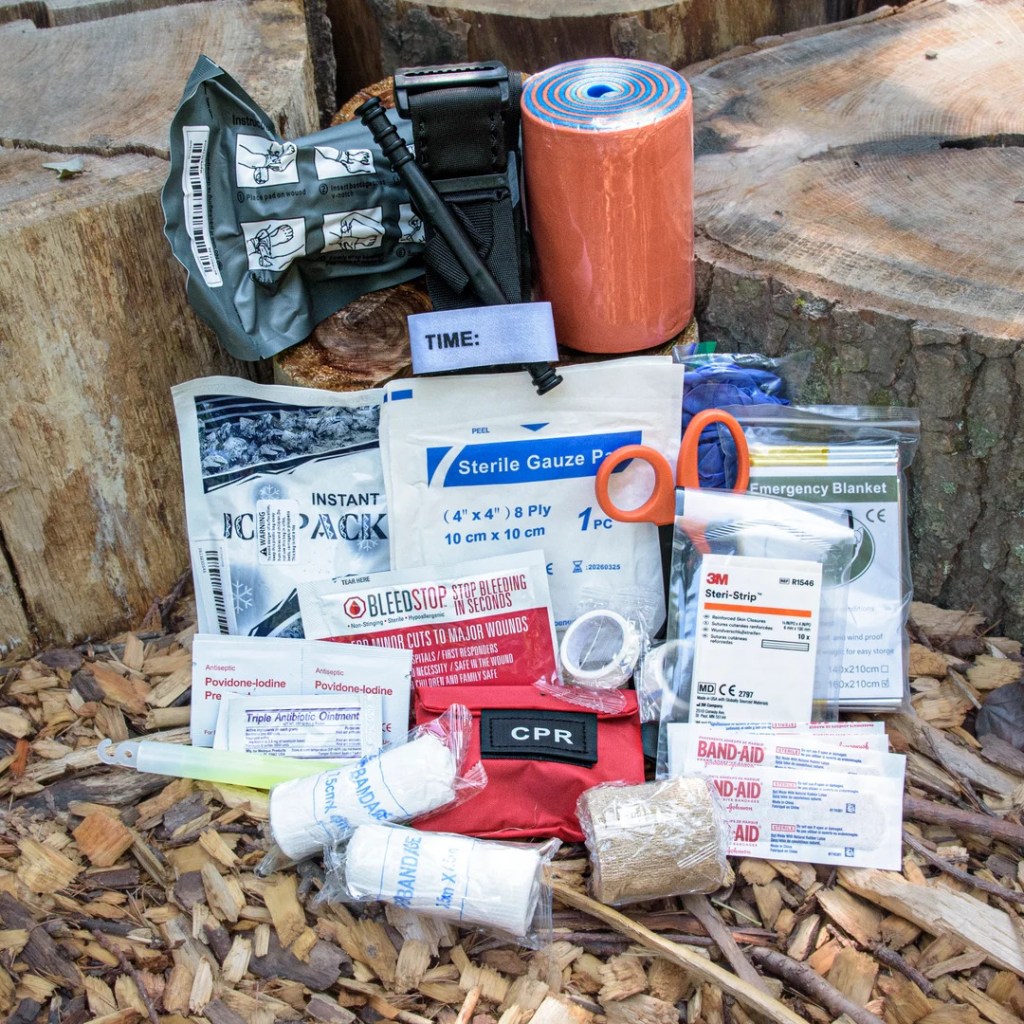
Carrying essential supplies and equipment is a hallmark of preparedness fostered by first aid training. A well-stocked first aid kit is a fundamental component, containing items such as bandages, antiseptics, pain relievers, and any necessary personal medications. In addition to medical supplies, campers are more likely to bring emergency communication devices, such as satellite phones or personal locator beacons, which can be crucial for summoning help in remote areas.
Appropriate clothing and gear are also prioritized by those with first aid knowledge. This includes sturdy footwear to prevent ankle injuries, hats and sunglasses for sun protection, and layers that can be added or removed to regulate body temperature. By being well-equipped, campers can better adapt to changing conditions and reduce the likelihood of injuries or illnesses.
This level of preparedness not only enhances safety but also contributes to a more enjoyable and stress-free camping experience. When campers are confident in their ability to handle emergencies and have taken steps to mitigate risks, they can focus on the adventure and beauty of the wilderness rather than worrying about potential dangers. This peace of mind allows for a deeper connection with nature and a more fulfilling outdoor experience.
Moreover, the sense of responsibility fostered by first aid training extends to the broader camping community. Prepared campers are more likely to share their knowledge and resources with others, promoting a culture of safety and mutual support. This community-oriented mindset enhances the overall experience for everyone involved, as it encourages cooperation and camaraderie in the face of challenges.
First aid training fosters a sense of responsibility and preparedness that is essential for safe and enjoyable wilderness adventures. By encouraging careful planning, consideration of environmental and personal factors, and the carrying of essential supplies, first aid knowledge empowers campers to navigate the wilderness with confidence. This proactive approach not only enhances safety but also enriches the overall outdoor experience, allowing individuals to fully embrace the wonders of the natural world.
Knowing first aid and emergency medical procedures extends beyond individual preparedness; it plays a pivotal role in cultivating a culture of safety and care within the camping community. This culture is characterized by a collective commitment to looking out for one another, sharing knowledge, and providing assistance when needed. In the wilderness, where the environment can be unpredictable and challenging, this sense of community is invaluable.
When individuals are equipped with first aid skills, they are more likely to step forward and assist others in need. This willingness to help is rooted in the confidence that comes from knowing how to handle medical emergencies. Whether it’s treating a fellow camper’s sprained ankle, providing relief for a bee sting, or offering guidance on how to stay hydrated, those with first aid training can make a significant difference in the well-being of others. This proactive approach to helping others fosters a spirit of cooperation and mutual support, which is essential in remote settings where professional medical help may not be immediately available.
The presence of first aid-trained individuals within a group can also serve as a reassuring factor for all members. Knowing that someone is capable of handling emergencies can alleviate anxiety and create a more relaxed and enjoyable atmosphere. This reassurance is particularly important for less experienced campers or those who may feel apprehensive about venturing into the wilderness. It encourages participation and exploration, knowing that there is a safety net in place.
Moreover, the culture of safety and care extends beyond immediate group dynamics. It influences how the camping community interacts with others they encounter in the wilderness. Campers who are knowledgeable about first aid are more likely to offer assistance to strangers in distress, whether it’s sharing supplies, providing directions, or administering medical aid. This openness and willingness to help create a supportive network that enhances the overall safety and enjoyment of the wilderness experience for everyone.
This sense of community is further strengthened by the shared experiences and challenges that come with wilderness camping. Campers often rely on each other for companionship, support, and the sharing of resources. First aid knowledge enhances this interdependence by ensuring that individuals are prepared to contribute positively to the group’s well-being. It encourages communication and collaboration, as campers discuss potential risks, plan routes, and make decisions together.
Additionally, promoting a culture of safety and care within the camping community has long-term benefits. It encourages the dissemination of first aid knowledge and skills, as experienced campers share their expertise with newcomers. This mentorship helps to build a more informed and prepared community, where safety is prioritized, and everyone is equipped to handle emergencies. It also fosters a sense of responsibility towards the environment and fellow campers, as individuals recognize the importance of minimizing risks and protecting the natural spaces they enjoy.
Knowing first aid and emergency medical procedures is instrumental in promoting a culture of safety and care within the camping community. By equipping individuals with the skills and confidence to assist others, it fosters cooperation, mutual support, and a sense of community that is particularly important in the wilderness. This culture not only enhances the safety and enjoyment of outdoor adventures but also contributes to a more connected and responsible camping community, where individuals look out for one another and share in the stewardship of the natural world.
The significance of knowing first aid and emergency medical procedures when camping in the wilderness is profound and multifaceted. As more individuals are drawn to the tranquility and adventure offered by the great outdoors, the need for preparedness becomes increasingly important. First aid skills are not merely an added advantage; they are a fundamental component of a safe and fulfilling wilderness experience.
First and foremost, these skills are essential for ensuring safety. The wilderness, with its unpredictable elements and potential hazards, requires a level of self-reliance that is not typically demanded in more controlled environments. First aid knowledge equips campers with the ability to respond effectively to a wide range of emergencies, from minor injuries like cuts and sprains to more severe situations such as fractures or allergic reactions. This capability is crucial in remote areas where professional medical help may be delayed, allowing individuals to stabilize conditions and prevent further harm.
Moreover, first aid training provides the tools necessary for immediate care in emergencies. The ability to act swiftly and correctly can be life-saving, particularly in critical situations such as cardiac events or severe trauma. By understanding how to perform CPR, control bleeding, or treat shock, campers can maintain vital functions until help arrives. This immediate response is often the difference between a manageable situation and a tragedy.
Beyond emergency response, first aid knowledge plays a vital role in preventing injuries and illnesses. By understanding how to properly clean and dress wounds, recognize environmental illnesses like hypothermia or heatstroke, and manage hydration and nutrition, campers can prevent minor issues from escalating into serious problems. This preventative approach not only enhances individual safety but also contributes to a more enjoyable and stress-free camping experience.
First aid training also fosters a sense of responsibility and preparedness. Campers who are knowledgeable about emergency medical procedures are more likely to plan their trips carefully, considering factors such as weather conditions, terrain, and the physical capabilities of their group. They are also more likely to carry essential supplies and equipment, such as a first aid kit, emergency communication devices, and appropriate clothing and gear. This level of preparedness ensures that campers are equipped to handle potential challenges, allowing them to focus on the adventure and beauty of the wilderness.
Furthermore, knowing first aid promotes a culture of safety and care within the camping community. When individuals are equipped with these skills, they are more likely to assist others in need, fostering a spirit of cooperation and mutual support. This sense of community is particularly important in the wilderness, where campers often rely on each other for assistance and companionship. By sharing knowledge and resources, campers contribute to a safer and more connected outdoor experience for everyone.
As the popularity of wilderness camping continues to grow, equipping oneself with first aid knowledge becomes a vital step in preparing for outdoor adventures. It empowers individuals to navigate the challenges of the wilderness with confidence, ensuring their safety and that of their companions. It also enriches the overall experience, allowing campers to fully embrace the tranquility and adventure of the natural world without undue worry.
The importance of knowing first aid and emergency medical procedures when camping in the wilderness cannot be overstated. These skills are essential for ensuring safety, providing immediate care in emergencies, preventing injuries, and fostering a sense of responsibility and community. By prioritizing first aid training, campers can enhance their preparedness, contribute to a culture of safety, and enjoy the wilderness with peace of mind and a sense of adventure.



 UTAZCO Overland
Leave a Reply