
Why I prefer the Chinese cleaver over the traditional Western-style Chef’s knife
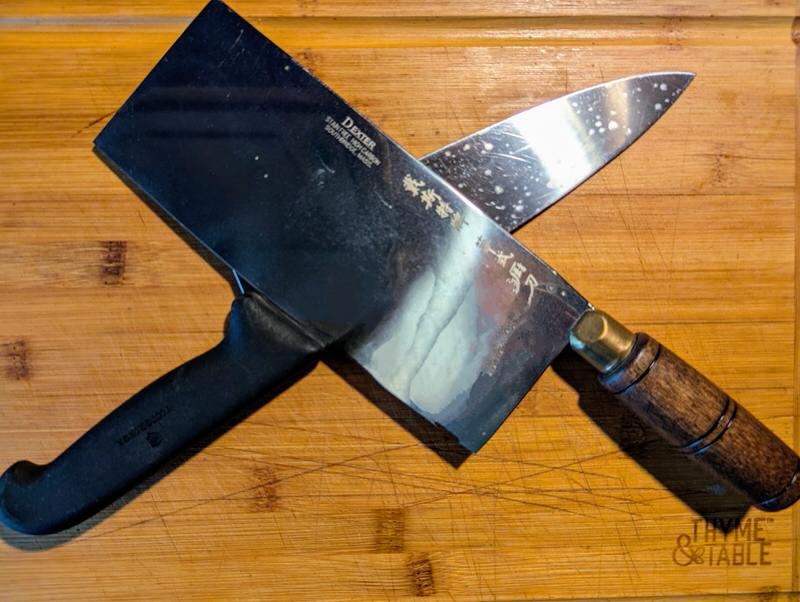
In the realm of culinary arts, the choice of tools can significantly impact the efficiency, precision, and overall experience of cooking. Among these tools, the chef’s knife stands as a cornerstone, essential for a multitude of tasks ranging from chopping vegetables to slicing meat. While Western-style chef’s knives have long been celebrated for their versatility and robustness, Chinese-style chef’s knives, the “Chinese cleaver,” offer distinct advantages that make them superior and easier to use in the kitchen. This essay explores the design, versatility, ergonomics, and cultural context that contribute to the superiority of Chinese-style knives.
Design and Versatility
The design of Chinese cleaver is a primary factor that sets them apart from their Western counterparts. Characterized by a broad, rectangular blade, these knives are often mistaken for meat cleavers, but they are far more versatile. The wide blade allows for a variety of cutting techniques, including slicing, dicing, mincing, and even scooping ingredients from the cutting board to the pan. This multifunctionality reduces the need for multiple knives, streamlining the cooking process.
Blade Shape and Size
The broad, rectangular blade of the Chinese cleaver is its most distinguishing feature. Unlike the pointed, curved blades of Western chef’s knives, the Chinese blade is flat and wide, typically measuring between 6 to 8 inches in length and 3 to 4 inches in height. This substantial surface area provides several functional advantages:
- Slicing and Dicing: The flat edge of the Chinese-style knife is ideal for making precise, straight cuts. Whether slicing through a tomato or dicing an onion, the flat blade ensures uniformity and consistency in each cut. The broad blade also allows for longer, more efficient slicing motions, reducing the need for repetitive chopping.
- Mincing and Chopping: The wide blade excels at mincing herbs and garlic. The flat edge can be rocked back and forth on the cutting board, making quick work of finely chopping ingredients. The height of the blade also provides ample clearance for the knuckles, allowing for a comfortable and safe chopping motion.
- Scooping and Transferring: One of the most practical features of the Chinese-style chef’s knife is its ability to scoop and transfer ingredients. After chopping, the wide blade can be used to gather and transport food from the cutting board to the cooking pot or pan. This eliminates the need for additional tools like bench scrapers and speeds up the cooking process.
Material and Construction
Chinese cleavers are traditionally made from high-carbon stainless steel, which offers a balance of sharpness, durability, and ease of maintenance. The blade is typically thinner than that of a Western meat cleaver, allowing for more precise cuts without sacrificing strength. The thin, sharp edge is particularly effective for slicing through delicate ingredients like fish and vegetables without crushing them.
The construction of the blade often includes a slight taper from the spine to the edge, enhancing the knife’s balance and control. This tapering also contributes to the knife’s versatility, allowing it to handle both heavy-duty tasks like breaking down poultry and delicate tasks like julienning vegetables.
Handle Design
The handle of a Chinese cleaver is usually round or oval, made from wood, plastic, or composite materials. This design provides a comfortable and secure grip, accommodating various hand sizes and cutting techniques. The handle is often longer than that of a Western chef’s knife, offering better leverage and control.
The seamless transition between the blade and handle, known as the “tang,” is another important aspect of the knife’s design. A full tang, where the blade extends through the handle, ensures durability and balance. This construction method distributes the knife’s weight evenly, reducing hand fatigue during extended use.
Comparison with Western-Style Chef’s Knives
In contrast, Western-style chef’s knives typically feature a narrower, curved blade designed primarily for slicing and chopping. While effective, this design can limit the range of tasks the knife can perform efficiently. The pointed tip is useful for tasks like piercing and intricate cuts, but it can be less versatile for general kitchen use.
The curved blade of a Western chef’s knife is designed for a rocking motion, which is ideal for chopping herbs and vegetables. However, this design can be less effective for tasks that require flat, straight cuts. The narrower blade also limits the knife’s ability to scoop and transfer ingredients, necessitating the use of additional tools.
Multifunctionality and Efficiency
The Chinese cleaver’s flat edge and substantial surface area make it adept at handling both delicate and robust ingredients, from finely chopping herbs to breaking down poultry. This multifunctionality not only enhances efficiency but also reduces the need for multiple knives in the kitchen.
For example, a single Chinese cleaver can be used to:
- Slice meat and fish: The sharp, thin blade can make clean, precise cuts through raw and cooked proteins.
- Chop vegetables: The wide blade provides ample surface area for chopping large quantities of vegetables quickly and efficiently.
- Crush garlic and ginger: The flat side of the blade can be used to crush aromatics, releasing their flavors without the need for a separate tool.
- Tenderize meat: The broad blade can be used to pound and tenderize cuts of meat, making it more versatile than a Western chef’s knife.
One of the most significant advantages of the Chinese cleaver is its ability to eliminate the need for a multitude of purpose-specific knives in the kitchen. This multifunctionality not only streamlines the cooking process but also saves valuable kitchen space and reduces the overall cost of culinary tools. Instead of investing in a variety of knives for different tasks—such as slicing, dicing, mincing, and chopping—cooks can rely on a single, versatile cleaver to perform all these functions efficiently. This consolidation of tools is particularly beneficial for home cooks with limited kitchen space and for professional chefs who value efficiency and simplicity in their culinary arsenal.
For me, besides the above advantages, especially when cooking at camp, the simplicity of the “one-knife” kitchen is invaluable: it saves space, weight, and reduces the opportunity to forget ‘the’ knife needed for a specific task…
Ergonomics and Ease of Use
Ergonomics play a crucial role in the ease of use and comfort of a chef’s knife. Chinese cleavers are often lighter and more balanced than their Western counterparts, reducing hand fatigue during prolonged use. The handle design, typically round or oval, provides a comfortable grip that accommodates various hand sizes and cutting techniques.
Weight and Balance
One of the key ergonomic advantages of Chinese cleaver is their weight and balance. These knives are often lighter than Western-style chef’s knives, which can be quite hefty due to their thicker blades and heavier handles. The lighter weight of the Chinese-style knife reduces the strain on the wrist and hand, making it easier to use for extended periods without experiencing fatigue.
The balance of a knife is equally important for comfort and control. Chinese cleavers are designed with a center of gravity that is closer to the handle, providing better control and maneuverability. This balance allows for more precise cuts and reduces the effort required to perform various cutting techniques. The well-balanced design also makes it easier to handle the knife with a relaxed grip, further minimizing hand fatigue.
Handle Design
The handle design of Chinese cleavers is another factor that enhances their ergonomics. Typically round or oval, the handle provides a comfortable and secure grip that accommodates various hand sizes and cutting techniques. The shape of the handle allows for a natural and relaxed grip, reducing the strain on the hand and wrist.
The materials used for the handle also contribute to its comfort and durability. Handles are often made from wood, plastic, or composite materials, each offering a different feel and level of grip. Wooden handles provide a warm and natural feel, while plastic and composite handles offer a more secure grip, especially when wet. The choice of handle material allows users to select a knife that best suits their preferences and needs.
Pinch Grip and Control
The wide blade of the Chinese cleaver offers a unique advantage in terms of safety and control. The broad surface allows chefs to use a “pinch grip,” where the thumb and forefinger grip the blade while the other fingers wrap around the handle. This grip provides greater control and precision, reducing the risk of accidents. The pinch grip is particularly effective for tasks that require fine motor skills, such as mincing herbs or slicing delicate ingredients.
The wide blade also acts as a barrier between the hand and the cutting surface, further enhancing safety. The height of the blade provides ample clearance for the knuckles, allowing for a comfortable and safe chopping motion. This design reduces the risk of accidental cuts and makes it easier to maintain a consistent cutting angle.
Versatility and Efficiency
The ergonomic design of Chinese cleaver enhances its versatility and efficiency in the kitchen. The comfortable grip and balanced weight make it easier to perform a wide range of cutting techniques, from slicing and dicing to mincing and chopping. The knife’s design allows for smooth and fluid motions, reducing the effort required to complete various tasks.
The ease of use and comfort provided by the ergonomic design also make the cleaver an ideal choice for both professional chefs and home cooks. The knife’s versatility and efficiency allow users to complete their tasks more quickly and with greater precision, enhancing the overall cooking experience.
The ergonomic design of Chinese cleavers makes them superior and easier to use in the kitchen compared to their Western counterparts. The lighter weight, balanced design, comfortable handle, and unique pinch grip all contribute to the knife’s ease of use and control. These ergonomic features not only reduce hand fatigue and enhance safety but also improve the overall efficiency and versatility of the knife. Whether for professional chefs or home cooks, the Chinese-style chef’s knife stands out as a tool that combines comfort, control, and precision in a single, elegant package.
Cultural Context and Culinary Techniques
The cultural context in which Chinese cleavers are used also contributes to their superiority. Chinese cuisine emphasizes a wide range of cutting techniques and knife skills, from paper-thin slices to uniform dices. The design of the Chinese chef’s knife is inherently suited to these techniques, allowing chefs to achieve the desired texture and presentation with ease.
Historical and Cultural Significance
The Chinese chef’s knife, often referred to as a “caidao” (菜刀), has deep historical and cultural roots in Chinese culinary traditions. The evolution of this knife is closely tied to the development of Chinese cuisine, which is known for its diversity and complexity. Over centuries, Chinese chefs have perfected the art of using a single knife for a multitude of tasks, from preparing delicate dim sum to hearty stir-fries. This tradition of versatility and efficiency is deeply ingrained in Chinese cooking, and the Chinese cleaver is a testament to this culinary heritage.
Diverse Cutting Techniques
Chinese cuisine requires a wide range of cutting techniques, each designed to enhance the flavor, texture, and presentation of the dish. The Chinese cleaver is uniquely suited to perform these techniques with precision and ease. Some of the key cutting techniques include:
- Slicing (切片): This technique involves making thin, even slices, often used for vegetables, meats, and fish. The flat, wide blade of the Chinese chef’s knife allows for smooth, consistent slices, ensuring uniform cooking and presentation.
- Dicing (切丁): Dicing involves cutting ingredients into small, uniform cubes. The broad surface area of the cleaver makes it easy to achieve precise, consistent dices, which are essential for dishes like fried rice and stir-fries.
- Mincing (剁碎): Mincing requires finely chopping ingredients like garlic, ginger, and herbs. The flat edge of the Chinese cleaver can be rocked back and forth on the cutting board, making quick work of mincing tasks.
- Julienning (切丝): Julienning involves cutting ingredients into thin, matchstick-like strips. The sharp, thin blade of the Chinese chef’s knife allows for precise, even cuts, which are essential for dishes like stir-fried vegetables and salads.
- Chopping (剁): Chopping is a versatile technique used for a variety of ingredients, from vegetables to meats. The weight and balance of the cleaver make it easy to chop through ingredients with minimal effort.
Efficiency and Resourcefulness
The Chinese culinary tradition values efficiency and resourcefulness, principles that are reflected in the design and use of the Chinese chef’s knife. The ability to perform multiple tasks with a single knife aligns with this philosophy, making the Chinese cleaver an indispensable tool in both professional and home kitchens. This cultural emphasis on versatility and efficiency has driven the evolution of the cleaver into a highly refined and practical instrument.
Culinary Techniques and Presentation
Chinese cuisine places a strong emphasis on the visual appeal of dishes, with intricate knife work playing a crucial role in achieving the desired presentation. The Chinese chef’s knife allows chefs to create visually stunning dishes with ease. For example, the ability to make paper-thin slices of vegetables or meat enhances the texture and appearance of dishes like hot pot and sashimi. Uniform dices and juliennes ensure even cooking and a harmonious blend of flavors in stir-fries and soups.
Adaptability to Various Ingredients
The Chinese cleaver is designed to handle a wide range of ingredients, from delicate vegetables to tough meats. This adaptability is essential in Chinese cuisine, which often combines a variety of ingredients in a single dish. The knife’s versatility allows chefs to seamlessly transition between different tasks, whether it’s slicing tofu, dicing bell peppers, or chopping pork ribs.
The cultural context and culinary techniques associated with Chinese cleavers contribute significantly to their superiority and ease of use in the kitchen. The historical and cultural significance of the Chinese chef’s knife, combined with its ability to perform a wide range of cutting techniques, makes it an indispensable tool in Chinese cuisine. The emphasis on efficiency, resourcefulness, and presentation in Chinese culinary traditions has driven the evolution of the Chinese chef’s knife into a highly refined and practical instrument. Whether for professional chefs or home cooks, the Chinese cleaver stands out as a tool that enhances the culinary experience, combining functionality, versatility, and precision in a single, elegant package.
Conclusion
The Chinese cleaver stands out as a superior and more versatile tool in the kitchen compared to its Western counterparts. Its unique design, characterized by a broad, rectangular blade, allows for a wide range of cutting techniques, from slicing and dicing to mincing and scooping. This multifunctionality not only streamlines the cooking process but also reduces the need for multiple purpose-specific knives, saving both space and money.
Ergonomically, the Chinese cleaver excels with its lighter weight, balanced design, and comfortable handle, all of which contribute to reduced hand fatigue and enhanced control. The ability to use a pinch grip further increases precision and safety, making it an ideal choice for both professional chefs and home cooks.
Culturally, the Chinese chef’s knife is deeply rooted in the traditions of Chinese cuisine, which values efficiency, resourcefulness, and visual appeal. The knife’s design is inherently suited to the diverse cutting techniques required in Chinese cooking, allowing chefs to achieve the desired texture and presentation with ease. This cultural emphasis on versatility and efficiency has driven the evolution of the Chinese cleaver into a highly refined and practical instrument.
Overall, the Chinese cleaver combines functionality, comfort, and precision in a single, elegant package, making it an indispensable tool in any kitchen. Whether you are preparing a simple home-cooked meal or a complex culinary masterpiece, the Chinese cleaver enhances the culinary experience, embodying the principles of efficiency, versatility, and excellence.




 UTAZCO Overland
Leave a Reply