
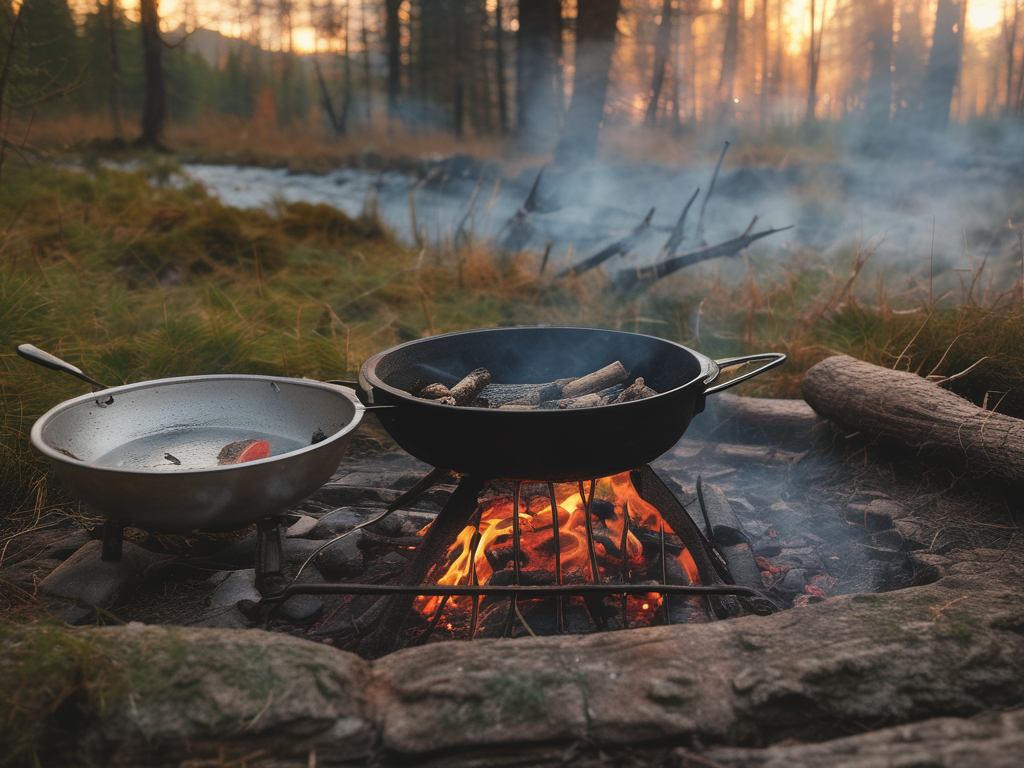
Dispersed camping, also known as boondocking or wild camping, is a form of camping that involves setting up camp outside designated camping areas. This style of camping offers a unique opportunity to connect with nature and experience the wilderness in its purest form. One of the most significant aspects of dispersed camping is cooking, which requires creativity, resourcefulness, and adaptability. This essay will explore the different styles of camp cooking while dispersed camping, including open fire cooking, portable stove cooking, and no-cook meals.
Open Fire Cooking
Open fire cooking is a practice that harks back to our earliest ancestors. It’s a method that brings us closer to nature and adds a primal, rustic flavor to our meals. This style of cooking is not just about the food; it’s about the experience of gathering around a fire, sharing stories, and creating memories.
Techniques in Open Fire Cooking
Open fire cooking involves several techniques, each offering a different culinary experience. Grilling is the most common method, where food is placed on a grate over the fire. This technique is perfect for cooking meats, fish, and vegetables, imparting a smoky flavor that’s hard to replicate with other cooking ways.
Roasting is another popular technique, where food is skewered on a stick or placed in a roasting pan and cooked over the fire. This method is ideal for cooking larger cuts of meat, whole fish, or even whole vegetables like corn or potatoes.
Boiling, on the other hand, involves placing a pot or pan over the fire and bringing water or broth to a boil. This method is great for making soups, stews, or even boiling eggs. It’s also a safe way to purify water if you’re camping in the wilderness.
Understanding Fire Safety and Control
Safety is paramount when it comes to open fire cooking. Before starting a fire, make sure you’re in a safe location away from flammable materials. Always have water or a fire extinguisher nearby in case the fire gets out of control.
Understanding fire control is also crucial. The heat of the fire can be controlled by the amount of fuel added and the distance between the food and the flames. A low, slow fire is perfect for roasting and slow-cooking, while a hot, high fire is ideal for grilling and searing.
Versatility of Open Fire Cooking
The versatility of open fire cooking is one of its main attractions. From simple dishes like grilled sausages and roasted marshmallows to more complex meals like baked fish in banana leaves or Dutch oven stews, the possibilities are endless. The unique flavor imparted by the smoke and the joy of cooking under the open sky make this style of cooking a favorite among campers.
Respecting Local Regulations
It’s important to remember that open fires are not allowed in all camping areas due to the risk of wildfires. Always check local regulations before starting a fire. Some areas may require a permit, while others may have designated fire pits or rings. Always make sure your fire is completely extinguished before leaving your campsite.
Open fire cooking is a rich and rewarding experience that combines culinary creativity with a love for the outdoors. It’s a style of cooking that requires patience, skill, and respect for nature, but the results are well worth the effort.
Portable Stove Cooking
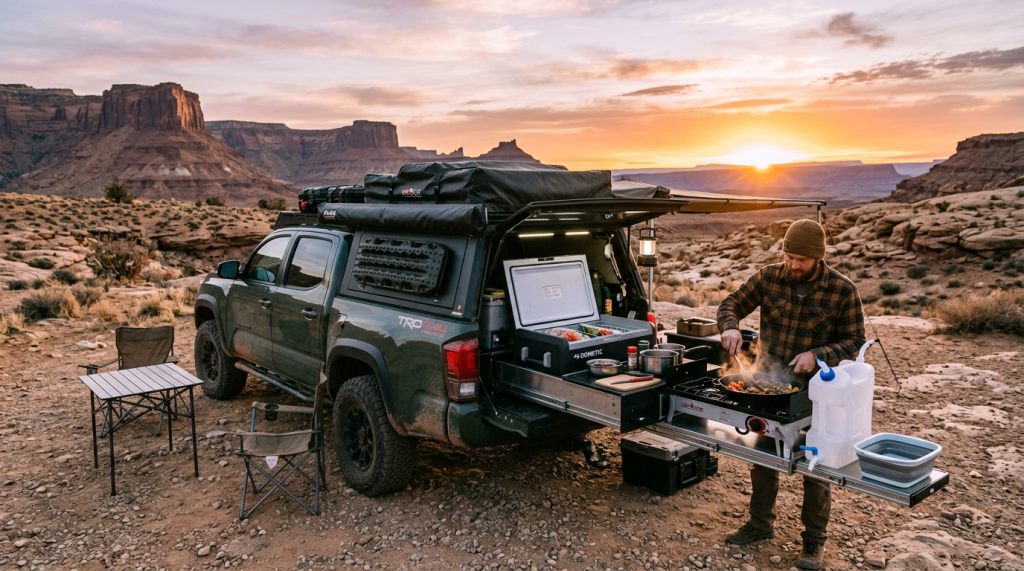
Portable stove cooking is a contemporary approach to camp cooking that offers convenience, control, and versatility. This method of cooking has revolutionized the camping experience, making it easier for campers to prepare a wider variety of meals in the great outdoors.
Types of Portable Stoves
Portable stoves come in various types, each with its own set of advantages. The most common types are canister stoves, liquid fuel stoves, and alternative-fuel stoves. Canister stoves are lightweight and easy to use, making them a popular choice for backpackers. They typically use propane or butane canisters as fuel.
Liquid fuel stoves, on the other hand, are more versatile and work well in cold temperatures. They run on a variety of fuels, including white gas, kerosene, and unleaded gasoline.
Alternative-fuel stoves use fuel sources like wood, pellets, or alcohol. These stoves are often compact and lightweight, making them ideal for minimalist campers or those traveling to remote areas where traditional fuel sources may not be available.
Control and Versatility in Cooking
One of the main advantages of portable stove cooking is the high degree of control it offers. Unlike open fire cooking, where the heat can be unpredictable, portable stoves allow for precise temperature control. This makes it possible to simmer, boil, or fry food, opening up a wide range of culinary possibilities.
From boiling water for coffee or soup, simmering a sauce, frying up a hearty breakfast, or even baking with the help of a camping oven, portable stoves can handle it all. This makes them ideal for preparing more complex dishes that require specific cooking temperatures, such as pasta, rice, or gourmet meals.
Limitations of Portable Stove Cooking
Despite their many advantages, portable stoves do have some limitations. One of the main challenges is fuel availability. While propane or butane canisters are widely available in many areas, they may be harder to find in remote locations. Similarly, liquid fuels like white gas or kerosene may not always be readily available.
Cooking space is another limitation. Most portable stoves have a single burner, which means you can only cook one thing at a time. This can make meal preparation more time-consuming, especially for larger groups.
Portable stove cooking offers a modern, convenient, and controlled way to prepare meals while camping. Despite some limitations, the versatility and ease of use of portable stoves make them an invaluable tool for any camping trip. Whether you’re a seasoned camper or a novice, a portable stove can make your outdoor cooking experience more enjoyable and diverse.
No-Cook Meals
No-cook meals are a practical solution for campers who prefer simplicity, are on the move, or want to minimize their camping gear. This style of camp cooking focuses on foods that require no heat to prepare, offering a unique blend of convenience and creativity.
Types of No-Cook Meals
The variety of no-cook meals is vast, ranging from simple sandwiches and salads to more elaborate dishes. Sandwiches are a classic choice, with endless possibilities for fillings, from the traditional peanut butter and jelly to gourmet combinations like brie and apple.
Salads are another excellent no-cook option. They can be as simple or as complex as you like, from a basic green salad to a hearty grain or pasta salad. Fresh fruits and vegetables, canned beans, cheese, and cured meats can all be combined to create satisfying and nutritious meals.
Cold pasta dishes, like pasta salad, can be prepared ahead of time and enjoyed on the trail. Other options include wraps, cold cuts, cheese, and crackers, or even pre-cooked rotisserie chicken from a grocery store.
Advantages of No-Cook Meals
No-cook meals offer several advantages for campers. They are typically easy and quick to prepare, requiring minimal equipment. This makes them ideal for lightweight camping or hiking trips where every ounce of gear matters.
No-cook meals also save fuel since they require no heat to prepare. This can be a significant advantage on longer trips where fuel conservation is important. Additionally, by eliminating the need for a fire or stove, no-cook meals reduce the risk of fire, making them a safer option in areas with fire restrictions.
Limitations of No-Cook Meals
Despite their many advantages, no-cook meals do have some limitations. They may not provide the same level of satisfaction and comfort as a hot meal, especially in cold weather or after a long day of hiking.
Additionally, while no-cook meals can be nutritious, they may not offer the same level of variety as cooked meals. Over time, this could lead to meal fatigue, especially on longer trips.
No-cook meals offer a practical and convenient alternative to traditional camp cooking. With a bit of creativity and planning, it’s possible to prepare a wide range of delicious and satisfying meals without the need for a fire or stove. Whether you’re a minimalist backpacker or just looking for a simpler way to eat on the trail, no-cook meals are a valuable addition to your camping repertoire.
Conclusion
The choice of cooking style while dispersed camping is a personal one, influenced by various factors such as individual preferences, available equipment, and local regulations. Each style, be it the traditional allure of open fire cooking, the precision and convenience of portable stove cooking, or the straightforwardness of no-cook meals, offers its own unique set of benefits and challenges.
Open fire cooking connects us with our primal roots, offering a sense of adventure and a unique flavor profile that can only be achieved through the dance of flame and smoke. However, it requires a good understanding of fire safety, control, and local fire regulations.
Portable stove cooking, on the other hand, offers a controlled and convenient way to prepare a wide range of dishes. It provides the comfort of a home kitchen in the wilderness, allowing for precise temperature control and the ability to cook complex meals. However, it also comes with its own set of challenges, such as fuel availability and limited cooking space.
No-cook meals offer the ultimate in simplicity and convenience, requiring minimal equipment and no fuel. They are ideal for lightweight camping or when fire restrictions are in place. However, they may not provide the same level of satisfaction as a hot meal, especially in colder weather.
The key to a successful camp cooking experience lies in careful planning and preparation. This includes planning your meals based on the cooking style you choose, packing the right equipment, and understanding and respecting local regulations. It’s also important to consider factors such as the length of your trip, the weather conditions, and the availability of water and other resources.
But beyond the practical aspects, camp cooking is about the joy of preparing meals in the great outdoors, amidst the beauty of nature. It’s about the satisfaction of creating something delicious with your own hands, under the open sky, and the shared camaraderie of enjoying a meal with fellow campers.
The art of camp cooking is a blend of practicality, creativity, and a deep appreciation for nature. Regardless of the style you choose, it’s an integral part of the camping experience, adding flavor not just to your meals, but to your overall adventure.

 UTAZCO Overland
Leave a Reply