
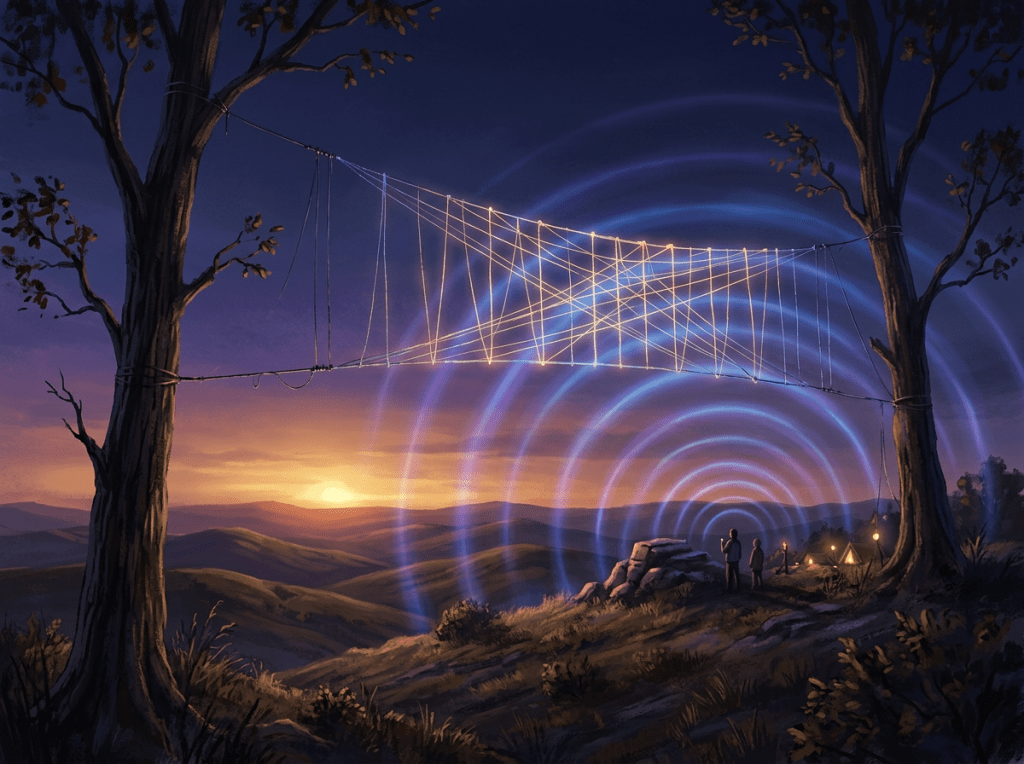
Operating a radio station while dispersed camping offers unique opportunities for communication, emergency preparedness, and adventure. However, it also presents challenges, especially when considering operational security (OPSEC). This guide outlines what to bring and how to set up a secure, effective radio operations station in the field.
Essential Equipment to Bring: Radio Gear
When preparing for off-grid radio operations during dispersed camping, the selection and preparation of your radio gear is paramount. The heart of your setup is the portable transceiver, which should be chosen based on your communication needs and the bands you intend to operate on. For those seeking long-distance communication, an HF (High Frequency) transceiver is essential, while VHF/UHF radios are more suitable for local or regional contacts. Modern portable transceivers are compact, rugged, and often feature multiple band capabilities, making them ideal for field use.
Antennas are equally critical, as they determine the effectiveness and reach of your transmissions. Foldable dipole antennas are popular for their ease of deployment and efficient performance across multiple bands. End-fed wires offer simplicity and can be quickly strung between trees or other supports, while vertical antennas provide a low-profile option that can be set up in tight spaces. The choice of antenna should balance performance, portability, and the ability to blend into the environment to maintain OPSEC.
Power is a constant concern in the field, so bringing spare batteries is non-negotiable. Lithium Iron Phosphate (LiFePO4) batteries are favored for their lightweight, safety, and long cycle life. To extend your operational window, a solar charging system can be invaluable, allowing you to recharge batteries during daylight hours and remain on the air for extended periods without relying on disposable cells or heavy generators. Ensuring you have the correct power cables, adapters, and connectors for all your equipment is crucial, as a single missing cable can render your station inoperable.
For monitoring communications discreetly, headphones or an earpiece are indispensable. They not only help conserve battery life by reducing the need for a speaker but also prevent your transmissions from being overheard by nearby individuals, which is a key OPSEC consideration. Depending on your preferred mode of operation, you’ll also need a reliable microphone for voice communications or a Morse code key for CW (Continuous Wave) operation. Some operators choose compact, lightweight keys specifically designed for field use, which can be easily packed and deployed.
In summary, assembling your radio gear for dispersed camping involves careful consideration of your transceiver, antenna system, power solutions, and accessories for both operational efficiency and security. Each component should be chosen with portability, reliability, and discretion in mind, ensuring you can communicate effectively while minimizing your footprint and exposure.
When preparing radio gear for off-grid operations while dispersed camping, it’s crucial to select a portable transceiver suited to your communication range—HF for long-distance, VHF/UHF for local contacts. Antenna choice should balance performance, portability, and the ability to remain discreet, with options like foldable dipoles, end-fed wires, or verticals. Reliable power is essential, so bring spare batteries (preferably LiFePO4) and consider solar charging for extended use, along with all necessary cables and adapters. Headphones or an earpiece are important for discreet monitoring, and you’ll need a microphone or Morse code key depending on your mode of operation. Ultimately, every piece of equipment should be chosen for portability, reliability, and OPSEC, ensuring effective communication with minimal visibility or risk.
Power Solutions
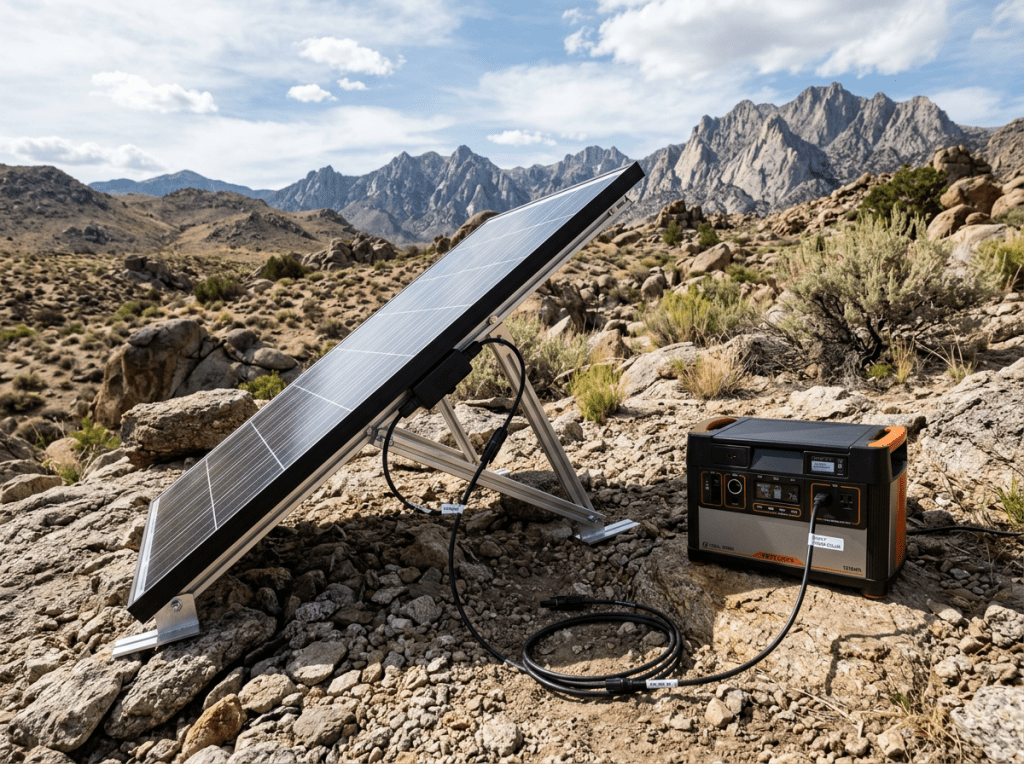
Powering your radio station off-grid requires careful planning and redundancy, as your ability to communicate depends entirely on a reliable energy source. The foundation of most field setups is a deep-cycle battery, with Lithium Iron Phosphate (LiFePO4) batteries standing out as the preferred choice. These batteries are not only lighter and more compact than traditional lead-acid options, but they also offer greater safety, a longer lifespan, and more stable voltage output. Their resilience to deep discharges makes them ideal for extended operations in remote environments, where recharging opportunities may be limited.
To keep your battery charged and your station operational over multiple days, integrating solar panels into your setup is highly effective. Modern foldable or rollable solar panels are lightweight and easy to deploy, making them well-suited for dispersed camping. Pairing your solar array with a quality charge controller is essential, as it regulates the flow of energy to your battery, prevents overcharging, and maximizes the efficiency of your solar harvest. This combination allows you to harness the sun’s energy during daylight hours, ensuring your primary battery remains topped up and ready for use, even during prolonged stays.
For smaller devices such as handheld radios, smartphones, or GPS units, a portable power bank is invaluable. These compact battery packs can be recharged via your solar setup and provide a convenient way to keep essential electronics running without drawing down your main station battery. Having a dedicated power source for these devices also adds a layer of redundancy, ensuring that critical communication or navigation tools remain functional even if your primary system encounters issues.
As an additional backup, some operators choose to include a hand-crank generator in their kit. While not as efficient or convenient as solar panels, a hand-crank generator offers the unique advantage of being completely independent of weather conditions or sunlight. In an emergency, or during extended periods of overcast skies, the ability to generate power manually—even if only enough for a brief transmission or to recharge a small device—can be a crucial lifeline.
Altogether, a robust power solution for off-grid radio operations blends the reliability of a deep-cycle battery, the sustainability of solar charging, the convenience of power banks for small devices, and the security of a manual backup. This layered approach ensures that your station remains operational, adaptable, and resilient, no matter how remote your campsite or how unpredictable the conditions.
A reliable off-grid power solution for radio operations centers on a deep-cycle battery, with LiFePO4 batteries preferred for their light weight, safety, and durability. Solar panels paired with a charge controller provide sustainable recharging, keeping your station running for extended periods. Power banks offer convenient backup for smaller devices, ensuring essential electronics stay charged without draining your main battery. For emergencies or when sunlight is unavailable, a hand-crank generator serves as a manual backup. Combining these elements creates a resilient, adaptable power system that keeps your station operational in remote and unpredictable conditions.
Shelter and Comfort
Establishing a comfortable and secure shelter is a crucial aspect of off-grid radio operations, especially when dispersed camping. The choice of shelter not only impacts your personal comfort but also plays a significant role in maintaining operational security and protecting your equipment from the elements. A lightweight tent or tarp serves as the primary structure for your station. Opting for a tent provides full enclosure, shielding you and your gear from wind, rain, and insects, while also offering a degree of privacy and concealment. A tarp, on the other hand, is more versatile and can be quickly set up in various configurations to blend into the natural environment, making it easier to obscure your presence from passersby or aerial observation. The color and material of your shelter should be chosen with discretion in mind—earth tones or camouflage patterns are preferable to bright colors that might attract attention.
Beneath your shelter, a ground cloth or mat is essential for creating a clean, dry workspace. This simple addition protects sensitive radio equipment from dirt, moisture, and abrasion, which can be especially problematic in rugged outdoor settings. A ground mat also helps organize your gear, preventing small items from getting lost in the underbrush and making it easier to pack up quickly if you need to relocate. In wet or muddy conditions, it can be the difference between a functional station and one compromised by the environment.
Comfort during extended operating sessions is another important consideration. A folding chair or pad provides much-needed support, allowing you to remain alert and focused during long periods of monitoring or transmitting. Sitting on the ground for hours can quickly become uncomfortable, leading to fatigue and distraction. A compact, lightweight chair or a simple foam pad can be easily carried and set up, offering ergonomic support without adding significant bulk to your kit. This attention to comfort not only improves your operational effectiveness but also makes the experience of off-grid radio more enjoyable and sustainable over time.
In sum, thoughtful choices in shelter and comfort—balancing concealment, protection, and personal well-being—are fundamental to successful and secure radio operations in the field. These elements ensure that both you and your equipment remain protected, organized, and ready for action, regardless of the challenges posed by the environment.
A well-chosen shelter is vital for off-grid radio operations, providing both comfort and concealment. Using a lightweight tent or tarp protects you and your equipment from the elements and helps maintain a low profile, especially if you select earth-toned or camouflage materials. A ground cloth or mat keeps your workspace clean and organized, safeguarding sensitive gear from dirt and moisture. For extended sessions, a folding chair or pad ensures you stay comfortable and focused, preventing fatigue. Altogether, prioritizing shelter and comfort helps keep both operator and equipment protected, organized, and effective, no matter the outdoor conditions.
Tools and Accessories
The right tools and accessories can make a significant difference in the efficiency, reliability, and adaptability of your off-grid radio station. A multitool or compact toolkit is indispensable, offering a range of functions in a single, portable package. Whether you need to tighten a loose connector, cut wire for an emergency antenna repair, or adjust a stubborn bolt on your equipment, having pliers, screwdrivers, wire cutters, and blades at your fingertips ensures you can address minor issues before they become major problems. In the unpredictable environment of dispersed camping, this versatility is invaluable.
Alongside your toolkit, materials like electrical tape, zip ties, and paracord serve as the backbone of field improvisation and repair. Electrical tape is essential for insulating connections, securing cables, and providing quick fixes to damaged gear. Zip ties are lightweight yet strong, perfect for bundling wires, attaching antennas to improvised supports, or organizing loose items. Paracord, with its high tensile strength and flexibility, can be used for everything from guying antenna masts to creating makeshift shelters or securing equipment against wind and weather. These simple items are easy to pack but offer countless solutions to unexpected challenges.
Accurate record-keeping is another critical aspect of radio operations, especially in the field. A dedicated notebook and a waterproof pen allow you to log contacts, frequencies, and operational notes regardless of weather conditions. Digital devices can fail or run out of power, but a physical logbook remains reliable in rain, mud, or cold. Keeping detailed logs not only helps with operational tracking and troubleshooting but also supports OPSEC by allowing you to record sensitive information securely and privately.
Finally, navigation tools such as a compass and a map are essential for orientation and situational awareness. GPS devices are convenient, but they rely on batteries and satellite signals, which may not always be available or reliable in remote areas. A traditional compass and a detailed topographic map provide a fail-safe method for finding your way, planning antenna placement, or relocating your station if necessary. They also help you maintain awareness of your surroundings, which is crucial for both safety and operational security.
Together, these tools and accessories form the backbone of a resilient and adaptable field station, enabling you to solve problems, maintain organization, and operate effectively no matter what challenges arise in the wilderness.
Having the right tools and accessories is essential for a resilient off-grid radio station. A multitool or small toolkit allows you to handle repairs and adjustments on the fly, while items like electrical tape, zip ties, and paracord enable quick fixes, secure setups, and improvisation in the field. Keeping a notebook and waterproof pen ensures reliable logging of contacts and notes, even in adverse weather, supporting both operational tracking and OPSEC. Traditional navigation tools like a compass and map provide dependable orientation and situational awareness when digital devices fail. Altogether, these items help you stay organized, adaptable, and effective, no matter the challenges you encounter while dispersed camping.
Security and OPSEC Items
Maintaining operational security (OPSEC) in the field is just as important as having reliable equipment, especially when your goal is to remain undetected or to protect sensitive information. Concealment is the first line of defense, and using camouflage netting or natural materials from your surroundings can make your station blend seamlessly into the environment. Camouflage netting is designed to break up the outline of your shelter, gear, and antennas, making them less visible from a distance or from above. By supplementing this with branches, leaves, or grass, you can further obscure your presence, reducing the risk of accidental discovery by hikers, campers, or aerial surveillance.
Night operations present their own challenges, particularly when it comes to maintaining a low profile. Standard white lights are highly visible and can easily give away your position, so a red or green headlamp is a much better choice. These colors preserve your night vision and are far less likely to attract attention, allowing you to move around your station, adjust equipment, or consult maps and logs without broadcasting your location. The ability to work discreetly after dark is a significant advantage, especially if you need to operate during hours when others are less likely to be active.
Protecting your electronics from both physical and electronic threats is another key aspect of OPSEC. A Faraday bag is an essential item for safeguarding sensitive devices such as radios, laptops, or GPS units from electromagnetic pulses (EMPs) or other forms of electronic interference. By blocking external signals, a Faraday bag also prevents your equipment from being remotely accessed or tracked, adding an extra layer of security for your communications and data.
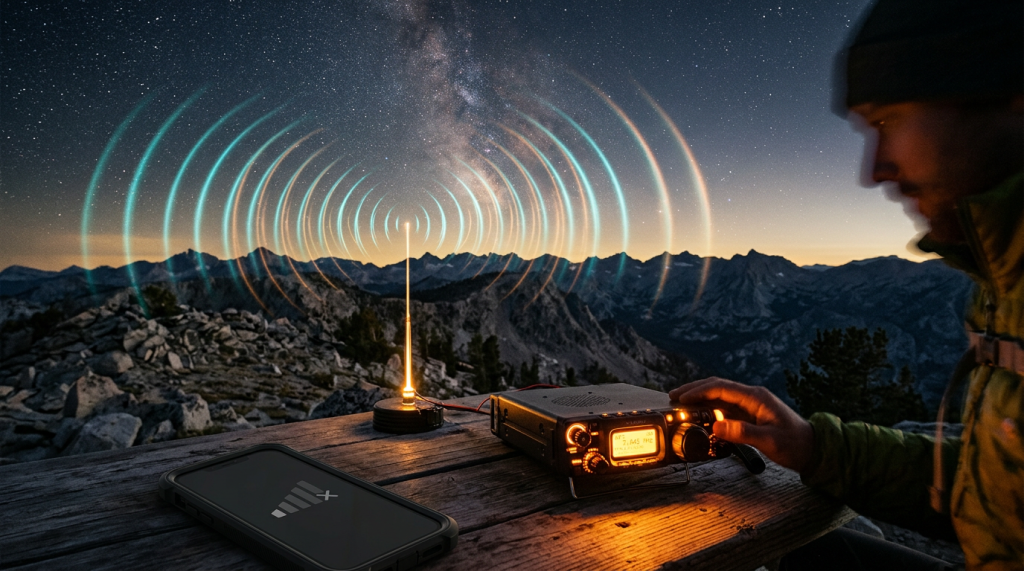
Similarly, a signal-blocking pouch for your cell phone is crucial in the modern age, where mobile devices can be used to track your location or intercept your communications. Even when powered off, some phones can still emit signals or be vulnerable to certain types of surveillance. By placing your phone in a signal-blocking pouch, you ensure that it cannot connect to cellular networks, Wi-Fi, or Bluetooth, effectively rendering it invisible to outside monitoring. This is particularly important if you are operating in areas where privacy is a concern or where you want to avoid leaving a digital footprint.
Together, these security and OPSEC items form a comprehensive approach to protecting both your physical presence and your electronic signature. By combining effective concealment, discreet lighting, and electronic countermeasures, you can operate with confidence, knowing that you are minimizing your visibility and safeguarding your sensitive information in the field.
Security and OPSEC items are essential for protecting both your physical presence and electronic footprint during off-grid radio operations. Using camouflage netting or natural materials helps your station blend into the environment, reducing the risk of detection. At night, red or green headlamps allow you to work discreetly without drawing attention. Faraday bags safeguard sensitive electronics from electromagnetic threats and prevent remote access, while signal-blocking pouches for cell phones stop tracking and interception. Together, these measures ensure you remain concealed and your sensitive information stays protected, allowing you to operate confidently and securely in the field.
Site Selection and Setup
Selecting the right location for your off-grid radio station is a foundational step that directly impacts both your operational effectiveness and your ability to maintain security. The first consideration is to avoid areas that are easily accessible or frequently traveled by others. Setting up away from established trails, roads, and prominent landmarks minimizes the chance of accidental discovery by hikers, campers, or passersby. These well-trodden paths naturally attract attention, and any unusual activity or equipment is more likely to be noticed and investigated.
Natural cover is your ally when it comes to concealment. Dense stands of trees, clusters of rocks, or undulating terrain can provide excellent visual barriers, helping your shelter, antennas, and equipment blend into the landscape. Positioning your station within a thicket or behind a large boulder not only hides you from ground-level observation but can also break up your outline from above, making aerial detection less likely. The more you can integrate your setup into the existing environment, the less conspicuous you will be, which is crucial for maintaining OPSEC.
It’s also important to consider the topography of your chosen site. While it might be tempting to set up on a hilltop or ridgeline for optimal radio propagation, these locations can make you highly visible against the skyline. A silhouette on a ridge is easily spotted from a distance, especially at dawn or dusk when the contrast is greatest. Instead, look for lower ground or gently sloping areas that still offer reasonable radio performance but keep you out of sight. By balancing the need for effective communication with the imperative of remaining hidden, you can find a location that supports both your technical and security requirements.
Ultimately, thoughtful site selection is about blending into the environment, minimizing your exposure, and reducing the likelihood of detection. By carefully choosing a secluded spot, making use of natural cover, and avoiding prominent positions, you lay the groundwork for a secure and successful off-grid radio operation.
Choosing the right site for your off-grid radio station is crucial for both effective communication and maintaining security. Setting up away from trails, roads, and landmarks reduces the risk of being discovered, while using natural cover like trees, rocks, or uneven terrain helps your station blend into the environment. Avoiding hilltops or ridgelines prevents your silhouette from being visible against the skyline, further minimizing detection. Ultimately, thoughtful site selection—prioritizing seclusion and concealment—lays the foundation for a secure and successful radio operation in the field.
Antenna Placement
Antenna placement is a critical aspect of off-grid radio operations, especially when operating with OPSEC in mind. The goal is to achieve effective transmission and reception while minimizing your visual and electronic footprint. Low-profile antennas, such as slopers or end-fed wires, are particularly well-suited for this purpose. These types of antennas can be discreetly strung between trees or other natural supports, allowing them to blend seamlessly into the environment. By following the contours of the landscape and using existing vegetation, you can position your antenna in a way that is both efficient for radio propagation and difficult for others to spot.
Material choice is another important consideration. Shiny or reflective elements, such as bare metal wire or bright plastic insulators, can catch sunlight and draw unwanted attention from a surprising distance. Opting for dull, non-reflective wire and using earth-toned or camouflaged insulators helps the antenna disappear into the background. If you must use materials that have a sheen, consider wrapping them with tape or painting them in subdued colors to further reduce their visibility.
The routing of your feedlines—the cables that connect your antenna to your radio—is equally important for concealment. Feedlines should be kept as close to the ground as possible, following natural depressions or the bases of trees and rocks. Covering them with leaves, brush, or even a thin layer of soil can make them virtually invisible to anyone passing by. This not only protects your cables from environmental damage but also ensures that your entire setup remains unobtrusive. Careful attention to these details allows you to maintain a low profile, reducing the risk of detection while still achieving reliable radio performance in the field.
Effective antenna placement for off-grid radio operations requires balancing performance with concealment. Using low-profile antennas like slopers or end-fed wires, discreetly strung between trees and following the landscape, helps your setup blend into the environment. Choosing non-reflective, earth-toned materials further reduces visibility, while keeping feedlines close to the ground and covered with natural debris ensures your cables remain hidden and protected. These careful placement strategies minimize your visual and electronic footprint, supporting both reliable communication and strong OPSEC in the field.
Station Layout
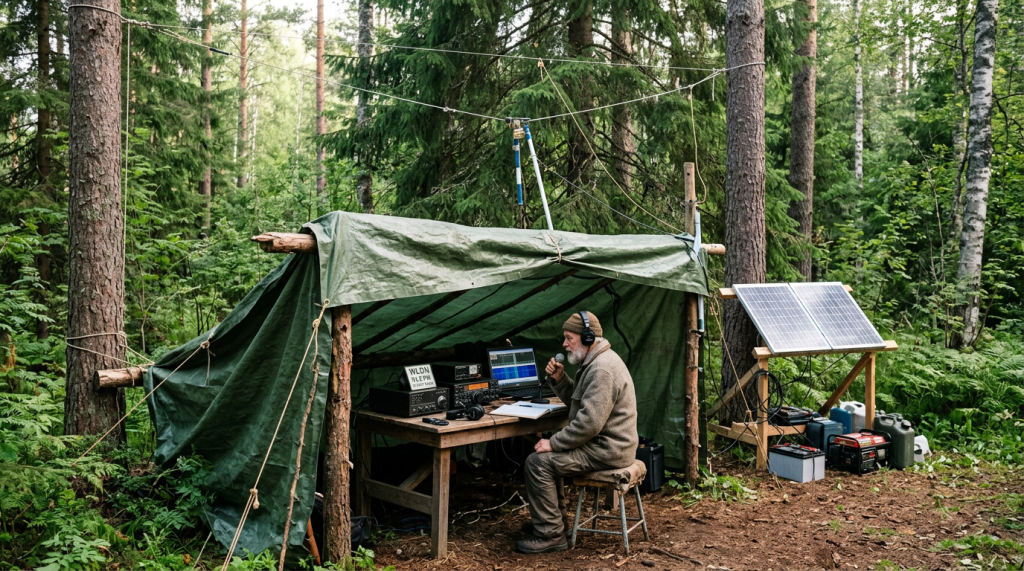
The layout of your radio station in the field is a delicate balance between operational efficiency, security, and readiness to move at a moment’s notice. Setting up your radio and power supply under shelter or camouflage is the first step in protecting both your equipment and your presence. Whether you use a tent, tarp, or natural cover, the goal is to shield your gear from the elements while also making it difficult for others to spot. Positioning your radio, battery, and other electronics beneath this cover not only guards against rain, sun, and wind but also helps mask any light or activity from casual observers or aerial surveillance.
Organization is equally important in a field environment. Every piece of gear should have a designated place, allowing you to quickly locate what you need and avoid unnecessary movement or noise. Cables should be neatly coiled, accessories stored in pouches or containers, and essential items like your logbook, multitool, and flashlight kept within easy reach. This level of organization is not just about convenience—it’s a critical aspect of OPSEC. If you need to relocate rapidly, having your equipment organized and your pack-up process rehearsed means you can break down your station and disappear into the landscape with minimal delay, leaving little trace behind.
Maintaining a low visual and noise signature is the final, ongoing consideration. Visually, your station should blend into its surroundings, with no shiny surfaces, bright colors, or unnatural shapes that could catch the eye. At night, use red or green lights sparingly and shield any displays or indicators that might be visible from a distance. Audibly, keep conversations quiet, avoid unnecessary chatter, and use headphones or earpieces to monitor transmissions. Even the sound of zippers, Velcro, or equipment being moved can travel surprisingly far in a quiet outdoor setting, so move deliberately and minimize noise whenever possible.
By thoughtfully arranging your station under cover, keeping your gear organized for quick departure, and minimizing both visual and auditory cues, you create a setup that is not only efficient and comfortable but also secure and discreet—key qualities for successful off-grid radio operations.
A well-planned station layout balances efficiency, security, and mobility. Setting up your radio and power supply under shelter or camouflage protects your gear from the elements and keeps your presence hidden. Keeping equipment organized ensures you can quickly pack up and relocate if needed, which is vital for OPSEC. Maintaining a low visual and noise signature—by blending into the environment and minimizing sounds—further reduces the risk of detection. Altogether, these practices create a field station that is effective, secure, and ready to move at a moment’s notice.
Operating Procedures with OPSEC in Mind
Emission Control
Practicing emission control is fundamental to maintaining operational security during off-grid radio operations. The first principle is to use the lowest effective power—often referred to as QRP operation. By transmitting with just enough power to make reliable contact, you significantly reduce the range at which your signal can be detected by unintended listeners or monitoring equipment. Lower power not only conserves battery life, which is precious in the field, but also makes your transmissions less conspicuous, blending them into the background noise for all but the intended recipients.
Equally important is the management of your transmission timing and patterns. Prolonged or frequent transmissions, especially on a regular schedule, can make it easier for adversaries or curious listeners to notice, monitor, and potentially triangulate your position. By keeping your transmissions brief and irregular, you make it much harder for anyone to predict when you’ll be on the air or to gather enough data to locate you. This unpredictability is a key element of OPSEC, as it denies potential eavesdroppers the patterns they need to track your activities.
The choice of communication mode also plays a significant role in emission control. Digital modes such as JS8Call or FT8 are designed for low-power, low-profile operation. These modes transmit signals that are both brief and difficult to distinguish from background noise, making them less likely to be intercepted or decoded by unintended parties. Their efficiency allows for successful communication even under poor propagation conditions and with minimal power, further supporting your efforts to remain undetected. By leveraging these digital modes, you not only enhance your operational security but also increase the likelihood of successful contacts when operating from remote or challenging locations.
Effective emission control—through low-power operation, unpredictable transmission schedules, and the use of discreet digital modes—forms the backbone of secure radio procedures in the field. These practices help you communicate reliably while minimizing your electronic footprint and the risk of detection.
Information Security
Maintaining information security during off-grid radio operations is essential for protecting both your identity and the integrity of your mission. One of the most important practices is to avoid transmitting real names, precise locations, or any sensitive details over the airwaves. Radio communications are inherently public, and anyone with the right equipment can listen in. By refraining from sharing personal or operational specifics, you reduce the risk of exposing yourself or your group to unwanted attention or potential threats. Instead, keep conversations generic and focus on the technical or logistical aspects necessary for your communication.
To further enhance security, it’s wise to establish prearranged codes, phrases, or callsigns with your trusted contacts before heading into the field. These codes can be as simple or as complex as your situation requires, ranging from innocuous-sounding nicknames to more elaborate systems that convey specific information without revealing its true meaning to outsiders. For example, you might use a code word to indicate a change in plans or a particular callsign to identify a specific location or person. This layer of obfuscation ensures that even if your transmissions are intercepted, the content remains ambiguous and difficult to exploit.
Record-keeping is another area where information security must be prioritized. While it’s important to log contacts, frequencies, and operational notes for reference and troubleshooting, doing so in a secure, non-digital format is best practice in the field. A physical notebook, especially one that is waterproof and durable, cannot be remotely accessed, hacked, or wiped by electromagnetic interference. Keeping your logs in this manner not only preserves your operational history but also prevents sensitive data from being compromised if your station is discovered or if you need to leave the area quickly. By storing your logs in a secure location and using shorthand or coded entries, you add another layer of protection to your information.
Altogether, these information security measures—careful communication, the use of codes, and secure logging—help ensure that your identity, location, and intentions remain protected, even in the face of interception or scrutiny. This disciplined approach to information management is a cornerstone of effective OPSEC in any off-grid radio operation.
Information security in off-grid radio operations means never sharing real names, locations, or sensitive details over the air, since anyone can listen in. Using prearranged codes or callsigns with trusted contacts keeps your communications ambiguous and secure, even if intercepted. Logging contacts and frequencies in a secure, non-digital notebook further protects your data from remote access or loss. Together, these practices safeguard your identity, location, and intentions, forming a vital part of OPSEC in the field.
Physical Security
Physical security is a dynamic and ongoing process in off-grid radio operations, especially when you’re dispersed camping in unfamiliar or potentially unpredictable environments. One of the most important habits is to keep all your gear organized and packed in a way that allows for rapid movement. This means having your equipment stored in modular, easily accessible containers or packs, with cables coiled, accessories grouped, and essential items like your radio, power supply, and logbook always within arm’s reach. By maintaining this level of readiness, you can break down your station and relocate quickly if you sense a threat, spot approaching people, or need to evade detection. This “ready-to-move” mindset is not just about speed, but also about minimizing the traces you leave behind, ensuring that your presence remains as invisible as possible.
If your operation extends over multiple days, it’s wise to rotate your operating positions. Staying in one spot for too long increases the risk of being discovered, as repeated activity can leave visible signs such as trampled vegetation, worn paths, or even subtle changes in the environment that a keen observer might notice. By shifting your station periodically—perhaps moving to a new patch of cover or a different side of a hill—you reduce the likelihood of establishing a pattern that could be detected by others. This practice also helps you adapt to changing conditions, such as shifts in weather, animal activity, or human presence in the area.
Situational awareness is the final, crucial layer of physical security. Constantly monitor your surroundings for signs of other campers, hikers, or vehicles. This means not only listening for distant voices or engine noise but also watching for movement, changes in the environment, or even the glint of sunlight off a distant object. Use natural cover to observe without being seen, and always have an exit plan in mind. If you notice increased activity nearby or anything that feels out of place, be prepared to go silent, pack up, and move to a safer location. Maintaining this level of vigilance ensures that you can respond proactively to potential threats, rather than being caught off guard.
Altogether, effective physical security in the field is about readiness, adaptability, and awareness. By keeping your gear organized for quick departure, rotating your operating positions, and staying alert to your environment, you greatly reduce the risk of detection and enhance your ability to operate safely and securely in remote settings.
Physical security in off-grid radio operations relies on being ready to move quickly, keeping gear organized for rapid pack-up, and minimizing traces of your presence. Rotating your operating positions over multiple days prevents patterns that could lead to discovery, while staying alert to your surroundings—watching and listening for other people or vehicles—helps you respond proactively to potential threats. This combination of readiness, adaptability, and situational awareness greatly reduces your risk of detection and supports safe, secure operations in remote environments.
Conclusion
Establishing a radio operations station in a dispersed camping environment is a complex task that demands thoughtful preparation and a disciplined approach to both equipment selection and operational security. Success begins long before you arrive at your chosen site, with careful planning that takes into account not only the technical requirements of your radio gear and power solutions but also the unique challenges posed by remote, unpredictable settings. Every decision—from the type of antenna you deploy to the way you organize your shelter and tools—should be guided by the dual goals of operational effectiveness and concealment.
Blending into the environment is more than just a matter of camouflage; it’s about integrating every aspect of your station with the natural landscape, using terrain, vegetation, and subdued materials to remain unnoticed by passersby or aerial observers. This extends to your daily routines as well, as you manage your presence to avoid creating patterns or leaving traces that could reveal your activities. Emission control is equally vital, requiring you to operate with the lowest effective power, limit your transmission times, and choose communication modes that are less likely to be intercepted or triangulated. These practices not only conserve your resources but also make your electronic footprint as faint as possible.
Protecting sensitive information is the final pillar of secure off-grid radio operations. By avoiding the use of real names, precise locations, or mission details over the air, and by employing codes and secure logging methods, you ensure that even if your transmissions are intercepted, your intentions and identity remain protected. Physical and information security go hand in hand, supported by constant situational awareness and a readiness to adapt to changing circumstances.
Ultimately, the combination of meticulous preparation, environmental awareness, disciplined emission practices, and robust information security allows you to communicate effectively and confidently, even in the most remote and challenging settings. By adhering to these OPSEC principles, you not only safeguard your own safety and privacy but also ensure that your off-grid radio operations remain resilient, discreet, and successful.



 UTAZCO Overland
Leave a Reply