
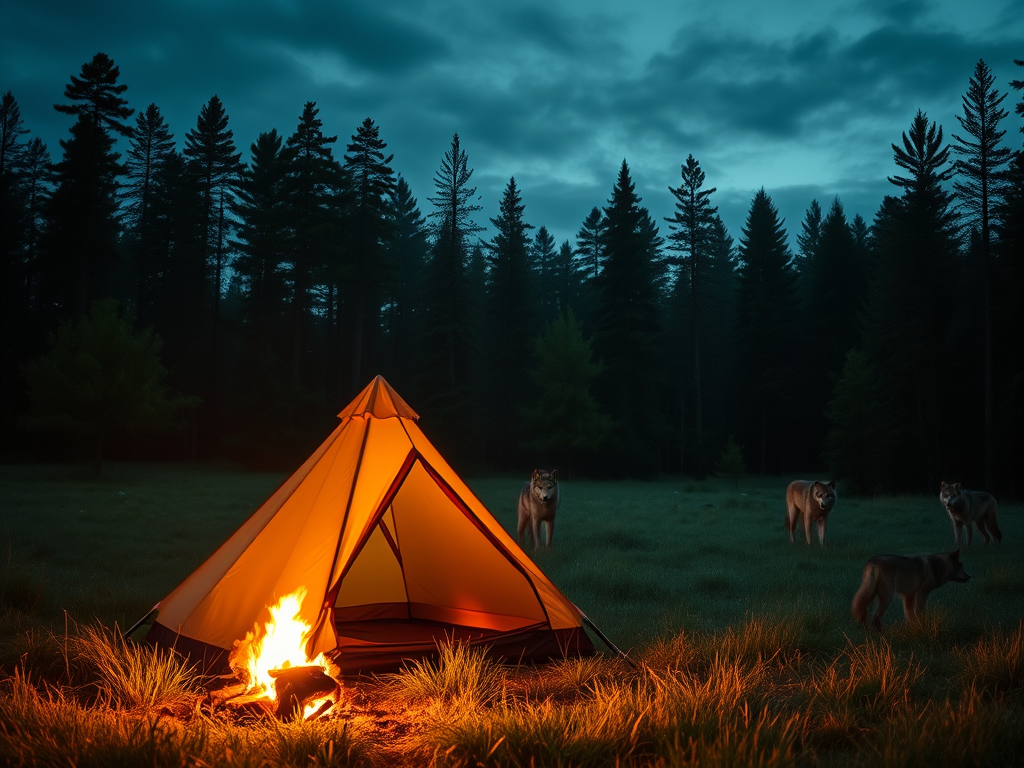
Dispersed solo camping in winter offers solitude, pristine landscapes, and a unique connection with nature. However, it also presents challenges, particularly the risk of encounters with dangerous animals. Managing these risks is crucial for safety and peace of mind. This essay explores strategies for minimizing danger from wildlife while solo camping in winter conditions.
Understanding Winter Wildlife Behavior
Reduced Activity, Not Absence
Winter dramatically changes the rhythms of the natural world, but it does not eliminate the presence of dangerous animals. Understanding how these creatures adapt to cold, snow, and food scarcity is essential for solo campers.
Bears: Hibernation and Exceptions
Most North American bears, such as black bears and grizzlies, enter a state of hibernation or torpor during winter. However, hibernation is not a deep, uninterrupted sleep. Bears may awaken and leave their dens during warm spells, periods of disturbance, or if food is scarce. Pregnant females are especially likely to remain in dens, but males and non-pregnant females may be more mobile. In regions with milder winters or inconsistent snow cover, bears may remain active for longer periods or even throughout the season. This unpredictability means that campers should never assume bears are entirely absent in winter.
Wolves: Year-Round Activity and Pack Dynamics
Wolves do not hibernate and remain active throughout the winter. In fact, winter can be a period of increased movement for wolf packs as they roam larger territories in search of prey, which becomes scarcer and more difficult to catch. Snow cover can make tracking prey easier for wolves, but it also means they may venture into new areas, including those frequented by humans. Wolves are generally wary of people, but hunger and harsh conditions can make them bolder, especially if they have previously found food near campsites or human settlements.
Mountain Lions: Solitary Hunters on the Move
Mountain lions (also known as cougars or pumas) are solitary and highly adaptable predators. They do not hibernate and are active year-round. In winter, their prey—primarily deer—may migrate to lower elevations or concentrate in valleys, and mountain lions will follow. Snow can make stalking prey easier for these cats, but it can also drive them closer to human activity if natural food sources are limited. Mountain lions are elusive and rarely seen, but their presence should not be underestimated, especially in regions where deer or elk are common.
Other Considerations: Smaller Carnivores and Scavengers
Other potentially dangerous animals, such as coyotes, wolverines, and even lynx or bobcats, remain active in winter. While less likely to pose a direct threat to humans, they may be attracted to campsites by food smells or improperly stored garbage. Additionally, winter can bring increased activity from scavengers like foxes and raccoons, which, while not dangerous, can create nuisance situations or attract larger predators.
Implications for Campers
- Never Assume Safety: The reduced activity of wildlife in winter does not mean absence. Always take precautions as if animals are present.
- Increased Boldness: Food scarcity can make animals more daring, increasing the likelihood of encounters.
- Changing Patterns: Animals may use different routes or habitats in winter, so previous knowledge of summer behavior may not apply.
By understanding these seasonal adaptations, solo campers can better anticipate potential wildlife encounters and take proactive steps to minimize risk.
Food Scarcity and Increased Boldness
Winter is a season of scarcity for wildlife. As snow covers the ground and temperatures drop, natural food sources become limited or inaccessible. This scarcity has a profound impact on animal behavior, often making even the most elusive or cautious creatures more daring in their search for sustenance. Understanding how food scarcity drives increased boldness in dangerous animals is crucial for solo campers aiming to minimize risk.
The Impact of Scarcity on Animal Behavior
- Heightened Motivation: In winter, animals expend more energy to stay warm and move through snow, while simultaneously facing a reduction in available food. This energy deficit pushes them to take greater risks than they might during other seasons. For example, a bear that would normally avoid human scent may be compelled to investigate a campsite if it smells food, simply because its survival depends on finding calories.
- Expanded Ranges: Many predators, such as wolves and mountain lions, expand their hunting territories in winter. Prey animals like deer and elk may migrate or concentrate in certain areas, and predators follow. This movement can bring them into closer proximity with human campsites, especially if those sites are near animal migration corridors or wintering grounds.
- Opportunistic Feeding: Animals become less selective about what they eat. Scavenging increases, and predators may target weaker or more accessible prey—including livestock, pets, or improperly stored human food. Even typically herbivorous animals may investigate campsites for scraps or garbage.
Examples of Increased Boldness
- Bears: While most bears hibernate, those that remain active or are roused from hibernation by hunger may be especially desperate. There are documented cases of bears breaking into cabins or tents in search of food during winter thaws.
- Wolves: Wolves are generally wary of humans, but in times of extreme hunger, they may approach campsites, especially if they smell food or garbage. Packs may also scavenge from human refuse or hunt near settlements.
- Mountain Lions: These solitary predators may follow deer herds into lower elevations or closer to human habitation. If natural prey is scarce, they may become more curious or bold around campsites, especially if food odors are present.
Human Influence and Habituation
- Conditioned Behavior: Animals that have previously found food at campsites or from humans can become habituated, losing their natural fear and becoming more aggressive or persistent. This is particularly dangerous, as habituated animals are more likely to approach humans directly.
- Attractants: Even small traces of food, scented toiletries, or garbage can attract animals from surprising distances. In winter, when natural scents are less prevalent, the smell of food can travel farther and be more enticing.
Implications for Solo Campers
- Vigilance: Campers must be extra vigilant about food storage and campsite cleanliness in winter. The risks posed by bold, hungry animals are heightened by the isolation and limited daylight of the season.
- Anticipation: Understanding that animals may act out of desperation helps campers anticipate and prevent encounters. For example, setting up camp away from animal trails, using bear-resistant containers, and never leaving food unattended are critical steps.
- Preparedness: Being prepared for the possibility of bold animal encounters—by carrying deterrents like bear spray and knowing how to respond—can make the difference between a safe trip and a dangerous situation.
Food scarcity in winter is a powerful motivator for wildlife, often overriding their natural caution and leading to increased boldness around human campsites. Solo campers must recognize this behavioral shift and take proactive measures to minimize attractants, anticipate encounters, and respond appropriately to ensure their safety and the well-being of the animals.
Pre-Trip Planning
Research Local Wildlife
Thorough research into local wildlife is a foundational step in preparing for dispersed solo camping, especially in winter when animal behavior and risks can change dramatically. Understanding which dangerous animals inhabit your chosen area, how they behave in winter, and where they are most likely to be encountered will inform your safety strategies and decision-making throughout your trip.
Identifying Dangerous Species
- Species Inventory: Begin by identifying which potentially dangerous animals are present in your camping region. This may include bears (black, grizzly, or brown), wolves, mountain lions, coyotes, wolverines, or even moose, which can be aggressive if surprised or threatened.
- Local Variations: The presence and behavior of wildlife can vary significantly by region. For example, grizzly bears are found in parts of the Rocky Mountains and Alaska, while mountain lions are more widespread in western North America. Some areas may have unique risks, such as wild boar or venomous snakes (though most snakes are inactive in winter).
Understanding Winter Habits
- Hibernation and Activity Patterns: Learn which animals hibernate, which remain active, and which may be roused by warm spells or food scarcity. For instance, while most bears hibernate, some may emerge during mid-winter thaws. Wolves and mountain lions remain active and may increase their range in search of food.
- Feeding and Movement: Research how winter affects animal movement and feeding. Predators may follow migrating prey into valleys or lower elevations, while scavengers may become more opportunistic. Understanding these patterns helps you avoid high-risk areas.
Preferred Habitats and High-Risk Zones
- Habitat Mapping: Identify the preferred habitats of dangerous animals during winter. For example, bears may den in dense forests or hillsides, while wolves may travel along river valleys or open meadows. Mountain lions often follow deer trails.
- Avoidance Strategies: Use this knowledge to select campsites away from animal dens, migration corridors, or areas with abundant tracks and scat. Avoid camping near water sources, which attract both prey and predators.
Recent Sightings and Local Reports
- Check Recent Activity: Consult local ranger stations, wildlife agencies, or online forums for recent wildlife sightings or incidents. Many parks and wilderness areas maintain up-to-date logs of animal activity, including aggressive encounters or den locations.
- Community Knowledge: Reach out to local outdoor communities, guides, or forums for anecdotal reports. Recent encounters or changes in animal behavior (such as a bear not hibernating) can be invaluable information.
Legal and Regulatory Considerations
- Regulations and Advisories: Some areas may have seasonal restrictions or advisories due to increased wildlife activity. For example, certain trails may be closed during denning season, or bear canisters may be required year-round.
- Permits and Emergency Contacts: Obtain any necessary permits and note emergency contact information for local authorities or search and rescue teams.
Tools and Resources for Research
- Field Guides and Apps: Use wildlife field guides or smartphone apps to identify tracks, scat, and animal calls.
- Government and Park Websites: National and state park websites often provide detailed information on local wildlife, safety tips, and recent activity.
- Weather and Snowpack Reports: Understanding weather patterns and snowpack can help predict animal movement and accessibility.
Researching local wildlife before your trip is not just about knowing what animals are present—it’s about understanding their winter behavior, movement patterns, and recent activity. This knowledge empowers you to make informed decisions about where to camp, how to store food, and what precautions to take, greatly enhancing your safety and confidence while solo camping in winter wilderness.
Inform Others
Informing others of your solo camping plans is a fundamental safety practice, especially when venturing into remote, dispersed areas during winter. The combination of isolation, harsh weather, and the presence of dangerous wildlife makes it essential that someone knows your whereabouts and schedule. This simple step can be the difference between a timely rescue and a prolonged, potentially life-threatening ordeal.
Why Informing Others Is Critical
- Emergency Response: If you fail to return as planned or miss a scheduled check-in, your designated contact can alert authorities and provide them with crucial details about your location and itinerary. This enables search and rescue teams to begin looking for you quickly, increasing the chances of a successful outcome.
- Limited Communication: In remote winter environments, cell phone coverage is often unreliable or nonexistent. Even if you carry a satellite communicator or emergency beacon, these devices can fail or be damaged. Having someone on the outside who knows your plans provides a vital backup.
What Information to Share
- Detailed Itinerary: Provide a day-by-day outline of your planned route, including trailheads, campsites, and any alternate routes you might take. Mark these locations on a map if possible.
- Expected Return: Clearly state your expected return date and time, as well as any planned check-in points (such as when you expect to reach certain landmarks or campsites).
- Vehicle Information: Share the make, model, color, and license plate of your vehicle, and where you plan to park it. This helps searchers identify your starting point.
- Emergency Contacts: List any emergency contacts, such as local ranger stations, park offices, or search and rescue organizations relevant to your area.
- Medical Information: If you have any medical conditions, allergies, or require specific medications, inform your contact so they can relay this to rescuers if needed.
Choosing the Right Contact
- Reliability: Select someone who is responsible, available, and understands the importance of acting promptly if you do not check in as planned.
- Communication: Make sure your contact knows exactly what to do if you miss a check-in—who to call, what information to provide, and how long to wait before raising the alarm.
Check-In Protocols
- Regular Updates: If possible, arrange to check in at predetermined intervals using a phone, satellite messenger, or other communication device. Let your contact know what to expect and when.
- Contingency Plans: Discuss what your contact should do if you are delayed but not in distress (for example, due to weather or minor route changes), versus if you are overdue and potentially in trouble.
Additional Considerations for Winter
- Shorter Daylight Hours: Winter days are shorter, and travel can be slower due to snow and ice. Build extra time into your itinerary and communicate this to your contact.
- Weather Delays: Severe weather can delay your return or prevent communication. Make sure your contact understands the possibility of weather-related delays and when to escalate concerns.
Informing others of your solo winter camping plans is a simple yet powerful safety measure. By providing a detailed itinerary, expected return, and emergency protocols to a reliable contact, you create a safety net that can mobilize help quickly if needed. This step not only increases your chances of rescue in an emergency but also provides peace of mind for both you and your loved ones, allowing you to focus on enjoying your wilderness adventure.
Campsite Selection
Avoid Animal Trails and Water Sources
Choosing the right campsite is one of the most effective ways to minimize the risk of dangerous wildlife encounters while solo camping in winter. Animals, like humans, follow patterns and routines in their environment—especially when resources are scarce. Understanding and respecting these patterns is crucial for your safety.
Why Animal Trails and Water Sources Are High-Risk
- Animal Trails: Wildlife often use the same paths repeatedly, creating visible trails through forests, meadows, or snow. These trails are essentially the “highways” of the animal world, used for travel between feeding, resting, and watering areas. Setting up camp on or near these trails increases the likelihood of a surprise encounter, as animals may not expect a human presence and could react defensively or aggressively if startled.
- Water Sources: Rivers, streams, lakes, and even small ponds are vital for wildlife, especially in winter when water can be scarce. Animals congregate at these locations to drink, hunt, or scavenge. Predators may also patrol water sources, knowing that prey animals will visit. Camping near water increases your chances of encountering both predators and prey, sometimes at night when visibility is low.
- Tracks and Scat: Areas with abundant animal tracks or scat indicate recent and frequent wildlife activity. These are signs that animals are using the area regularly, making it a poor choice for a campsite.
How to Identify and Avoid High-Traffic Wildlife Zones
- Look for Signs: Before setting up camp, survey the area for animal trails—these may appear as narrow, well-trodden paths through vegetation or snow. Look for tracks, scat, fur, or disturbed ground. In winter, fresh tracks in the snow are especially easy to spot.
- Distance from Water: Camp at least 200 feet (about 60 meters) away from any water source. This distance reduces the likelihood of crossing paths with animals coming to drink and helps protect fragile riparian ecosystems.
- Avoid Natural Funnels: Steer clear of natural corridors such as gullies, saddles, or narrow valleys, which can concentrate animal movement.
Additional Considerations for Winter
- Frozen Waterways: In winter, animals may use frozen rivers or lakes as travel routes. Avoid camping on or immediately adjacent to these surfaces, as they can become busy thoroughfares for wildlife.
- Snow Cover: Deep snow can obscure some signs of animal activity, but look for packed-down paths, disturbed snow, or areas where vegetation is exposed.
Benefits of Careful Campsite Selection
- Reduced Surprise Encounters: By avoiding high-traffic zones, you decrease the chances of startling an animal, which is when many dangerous encounters occur.
- Less Attraction: Animals are less likely to investigate your camp if it’s not in their usual path or near a resource they need.
- Better Sleep and Peace of Mind: Knowing you’ve chosen a low-risk site allows you to rest more easily and enjoy your camping experience.
Practical Steps
- Scout the Area: Arrive with enough daylight to thoroughly inspect potential campsites.
- Observe the Landscape: Choose open areas with good visibility, away from dense brush or obvious animal paths.
- Check for Signs: Walk a perimeter around your intended site, looking for tracks, scat, or other evidence of recent animal activity.
- Stay Flexible: If you find signs of wildlife, be prepared to move to a different location, even if it means extra effort.
Avoiding animal trails, water sources, and areas with abundant wildlife signs is a proactive strategy that significantly reduces your risk of dangerous encounters while solo camping in winter. Careful observation and thoughtful campsite selection not only protect you but also minimize your impact on the natural behaviors and habitats of the animals sharing the wilderness with you.
Choose Open Areas
Selecting an open area for your winter campsite is a strategic decision that significantly enhances your safety when it comes to managing dangerous wildlife. Open areas offer several advantages over dense forests, thick brush, or rugged terrain, especially when you are camping solo and need to rely on your own awareness and preparedness.
Benefits of Open Areas
- Early Detection of Wildlife: Open spaces provide unobstructed lines of sight in all directions. This allows you to spot animals—such as bears, wolves, or mountain lions—at a greater distance, giving you more time to react appropriately. Early detection is crucial for avoiding surprise encounters, which are often the most dangerous.
- Reduced Surprise Encounters: Dense vegetation or rugged terrain can conceal both you and approaching animals, increasing the risk of startling each other at close range. In open areas, animals are less likely to stumble upon your camp unexpectedly, and you are less likely to inadvertently block their path or territory.
- Easier to Monitor Surroundings: With fewer visual obstructions, you can regularly scan your environment for movement, tracks, or other signs of wildlife. This is especially important during dusk, dawn, and nighttime, when many predators are most active.
- Better Use of Light: Open areas allow more natural light, making it easier to see and be seen. In winter, when daylight hours are short and visibility can be further reduced by snow or overcast skies, maximizing available light is a practical safety measure.
Practical Considerations for Choosing Open Areas
- Avoiding Wind Exposure: While open areas offer visibility, they can also be more exposed to wind and cold. Look for spots that are open but still offer some natural windbreaks, such as low hills, boulders, or sparse tree lines on the leeward side.
- Snow Accumulation: Open areas may accumulate more snow, which can make setting up camp more challenging. Pack down the snow to create a firm, level surface for your tent or shelter.
- Distance from Animal Corridors: Even in open areas, ensure you are not near obvious animal trails, migration routes, or water sources. Open meadows or clearings that connect two forested areas may serve as wildlife corridors.
- Visibility at Night: In open areas, moonlight or starlight can help illuminate your surroundings, making it easier to spot movement. Consider using reflective markers or a perimeter of glow sticks to help you monitor your camp’s boundaries after dark.
Enhancing Safety in Open Campsites
- Set Up Visual Deterrents: In open areas, you can use visual deterrents such as brightly colored tarps, reflective tape, or even hanging gear to make your presence more obvious to wildlife.
- Keep a Clear Perimeter: Maintain a tidy camp with minimal clutter. This not only reduces attractants but also ensures you have a clear path to retreat or access deterrents (like bear spray) if needed.
- Use of Lighting: Motion-activated lights or headlamps can help you spot animals at night and may deter some species from approaching.
Psychological Benefits
- Peace of Mind: Knowing you have a clear view of your surroundings can reduce anxiety and help you sleep better, which is important for maintaining alertness and decision-making ability during your trip.
Camping in open areas with good visibility is a proactive measure that reduces the risk of surprise wildlife encounters and enhances your ability to detect and respond to approaching animals. By balancing visibility with protection from the elements and avoiding known animal corridors, you create a safer and more comfortable solo winter camping experience.
Food Storage and Scent Management
Use Bear-Resistant Containers
Proper food storage is one of the most critical aspects of managing dangerous animals while solo camping, especially in winter. Even when bears are less active, other wildlife—such as wolves, foxes, and smaller mammals—may be attracted to your camp by the scent of food. Using bear-resistant containers or properly hanging your food is essential for both your safety and the well-being of local wildlife.
Why Bear-Resistant Containers Are Important
- Bears May Be Active: While many bears hibernate, some may emerge during warm spells or if disturbed. In regions with milder winters or inconsistent snow cover, bears may remain active throughout the season. A bear-resistant container ensures your food remains inaccessible even if a bear visits your camp unexpectedly.
- Other Wildlife Risks: Wolves, coyotes, foxes, raccoons, and rodents are all capable of raiding campsites for food. While they may not be as destructive as bears, they can still cause significant problems, including damaging gear, contaminating food, or attracting larger predators.
- Scent Control: Bear-resistant containers are designed to contain odors, making it less likely that animals will be drawn to your camp in the first place. This is especially important in winter, when natural food sources are scarce and animals are more motivated to investigate unfamiliar scents.
Types of Bear-Resistant Containers
- Hard-Sided Canisters: These are typically made of durable plastic or metal and are certified to withstand the strength and ingenuity of bears. They are easy to use—simply place your food and scented items inside, lock the lid, and store the canister at least 100 feet from your sleeping area.
- Bear Bags and Ursacks: Made from bulletproof fabric, these bags are designed to resist tearing and chewing. While not as foolproof as hard-sided canisters, they are lightweight and easier to pack, making them a good option for solo campers.
Proper Hanging Techniques
If you do not have a bear-resistant container, hanging your food is the next best option. The goal is to keep food out of reach of bears and other climbing animals.
- Height and Distance: Hang your food at least 10 feet (3 meters) off the ground and 4 feet (1.2 meters) away from the trunk of a tree or any branches. This makes it difficult for bears to reach by climbing or swatting.
- Method: Use a sturdy rope and a dry bag or stuff sack. Throw the rope over a high, sturdy branch, attach your food bag, and hoist it up. Secure the rope well away from the trunk to prevent animals from reaching the bag by climbing.
- Winter Considerations: Snowpack can reduce the effective height of your hang, so account for snow depth when choosing your branch. In deep snow, you may need to hang food even higher.
What to Store
- All Scented Items: Store not just food, but also cooking utensils, trash, toiletries (toothpaste, soap, sunscreen), and anything else with a scent. Animals have an acute sense of smell and can be attracted by even faint odors.
Additional Tips for Scent Management
- Cook and Eat Away from Sleeping Area: Prepare and consume food at least 100 feet from your tent. This reduces the chance that lingering odors will attract animals to your sleeping area.
- Clean Up Thoroughly: Wash dishes and utensils immediately after use, and pack out all food scraps and trash. Never bury or burn food waste, as this can still attract animals.
- Use Odor-Proof Bags: For extra protection, use odor-proof plastic bags inside your bear canister or food bag to further reduce scent dispersion.
Consequences of Improper Food Storage
- Attracting Wildlife: Improperly stored food can attract animals to your camp, increasing the risk of dangerous encounters and potentially leading to animals becoming habituated to humans—a situation that often ends badly for both people and wildlife.
- Gear Damage and Food Loss: Animals can destroy tents, backpacks, and other gear in their attempts to access food, leaving you without essential supplies in a harsh winter environment.
Using bear-resistant containers or properly hanging your food is a non-negotiable safety practice for solo winter camping. It protects you from dangerous encounters, preserves your food supply, and helps keep wildlife wild by preventing them from associating humans with easy meals. Even in the coldest months, diligent food storage and scent management are essential for a safe and responsible camping experience.
Minimize Odors
Minimizing odors at your campsite is a cornerstone of safe solo camping in areas inhabited by dangerous wildlife, especially in winter when animals are more desperate for food. Animals such as bears, wolves, foxes, and even rodents have an extraordinary sense of smell—far superior to that of humans. Even faint scents can attract them from great distances, increasing the risk of unwanted encounters. Here’s how to effectively minimize odors and why each step is important:
Cook and Eat Away from Your Sleeping Area
- Distance Matters: Always prepare and consume food at least 100 feet (about 30 meters) from your tent or sleeping area. This separation ensures that if food odors do attract animals, they are drawn to a location away from where you sleep, reducing the risk of a direct encounter.
- Designate a “Kitchen” Area: Set up a specific spot for cooking and eating, ideally downwind from your tent. This helps prevent food smells from drifting toward your sleeping area.
- Avoid Cooking in Your Tent: Never cook inside your tent or vestibule. Not only does this concentrate odors where you sleep, but it also poses a fire and carbon monoxide risk.
Store All Scented Items with Your Food
- What to Store: In addition to food, store anything with a scent—this includes toothpaste, soap, sunscreen, lip balm, deodorant, medications, and even wrappers or packaging. Animals can be attracted by the faintest smells.
- Use Bear-Resistant Containers or Proper Hanging: Place all scented items in a bear-resistant canister or hang them using the proper technique (at least 10 feet off the ground and 4 feet from tree trunks). This keeps odors contained and out of reach.
- Change Clothes After Cooking: If possible, wear a separate set of clothes for cooking and eating, and store them with your food after use. This prevents lingering food odors on your sleeping clothes.
Avoid Leaving Food Scraps or Trash Around Camp
- Pack Out All Waste: Bring sturdy, sealable bags to pack out all food scraps, wrappers, and trash. Never bury or burn food waste—animals can still smell and dig up buried scraps, and burning rarely destroys all odors.
- Clean Up Immediately: Wash dishes, utensils, and cookware right after eating, using as little soap as possible (preferably unscented). Strain dishwater to remove food particles and scatter the water at least 200 feet from your camp and water sources.
- Inspect Your Campsite: Before leaving your cooking area or breaking camp, do a thorough sweep for crumbs, spills, or dropped items. Even small bits of food can attract animals.
Additional Strategies for Odor Control
- Odor-Proof Bags: Use odor-proof plastic bags (such as OPSAKs) inside your bear canister or food bag for an extra layer of scent containment.
- Unscented Products: Choose unscented toiletries and cleaning products to further reduce attractants.
- Avoid Scented Fires: Don’t burn food wrappers or leftovers in your campfire, as the smell can linger and attract animals long after you’ve left.
Why Odor Minimization Is Especially Important in Winter
- Scarcity Heightens Attraction: With fewer natural food sources available, animals are more likely to investigate any unusual scent, even if it’s faint or unfamiliar.
- Snow Amplifies Scent Trails: Cold, dense air and snow can carry and preserve scents for longer distances, making it easier for animals to track them to your camp.
- Habituation Risks: Animals that find food at campsites can become habituated, losing their natural fear of humans and becoming more aggressive or persistent in seeking out camps.
Minimizing odors is a proactive, essential practice for solo winter campers. By cooking and eating away from your sleeping area, storing all scented items securely, and rigorously cleaning up food scraps and trash, you greatly reduce the chances of attracting dangerous wildlife. These habits not only protect you but also help preserve the natural behaviors of animals, ensuring a safer and more harmonious wilderness experience for everyone.
Cleanliness is Key
Maintaining a clean campsite is a fundamental principle of safe and responsible solo camping, especially in winter when wildlife is more likely to be attracted by any available food source. Cleanliness not only protects you from dangerous animal encounters but also preserves the natural environment and prevents wildlife from becoming habituated to human food. Here’s a detailed exploration of why and how to keep your winter campsite impeccably clean:
Why Cleanliness Matters
- Wildlife Attraction: Even tiny crumbs, food residue, or spilled liquids can attract animals with keen senses of smell. Bears, wolves, foxes, and rodents are all opportunistic feeders, and a messy camp is an open invitation.
- Habituation and Safety: Animals that find food at campsites may lose their natural fear of humans, becoming bolder and more aggressive over time. This not only endangers future campers but often leads to the animal being relocated or euthanized.
- Health and Comfort: A clean camp reduces the risk of illness from spoiled food, contaminated water, or pests such as mice and insects, which can be active even in winter.
Best Practices for Camp Cleanliness
1. Immediate Dish and Utensil Washing
- Wash Right After Use: Don’t leave dirty dishes, pots, or utensils lying around. Wash them immediately after eating to prevent food residue from attracting animals.
- Use Minimal, Unscented Soap: Use as little soap as possible, and choose unscented varieties to minimize odors.
- Strain and Scatter Dishwater: Strain out food particles (pack them out with your trash) and scatter dishwater at least 200 feet from your camp and any water sources. This prevents animals from associating your campsite with food.
2. Pack Out All Waste
- No Trash Left Behind: Bring sturdy, sealable bags for all trash, including food wrappers, packaging, and even used paper towels or wipes. Never bury or burn trash—animals can dig it up, and burning rarely eliminates all odors.
- Micro-trash Awareness: Be vigilant about small items like twist ties, crumbs, or bits of foil. These can be just as attractive to wildlife as larger scraps.
3. Food Debris Management
- Inspect and Clean: After every meal, inspect your cooking and eating area for dropped food, spills, or crumbs. Clean up thoroughly, even if it means brushing snow aside to check for debris.
- Separate Cooking and Sleeping Areas: Cook and eat at least 100 feet from your tent, and keep all food and scented items away from your sleeping area.
4. Personal Hygiene
- Toiletries Storage: Store all toiletries (toothpaste, soap, sunscreen, etc.) with your food in a bear-resistant container or proper hang. Even “natural” or “unscented” products can attract animals.
- Hand Washing: Wash your hands after handling food to avoid transferring scents to your gear or tent.
5. Wastewater Disposal
- Scatter, Don’t Dump: Scatter strained dishwater over a wide area, far from camp and water sources, to dilute any remaining scent and discourage animals from investigating.
Winter-Specific Considerations
- Snow Conceals Debris: Snow can hide food scraps or trash, making it easy to overlook messes. Be extra diligent in inspecting your site, and consider using a ground cloth or tarp in your cooking area to catch spills.
- Frozen Waste: In freezing temperatures, food waste and dishwater can freeze quickly. Plan ahead by designating a spot for dishwashing and waste collection that won’t impact your camp or water sources.
Environmental Stewardship
- Leave No Trace: Practicing camp cleanliness is a core tenet of Leave No Trace ethics. It protects wildlife, preserves the wilderness experience for others, and ensures the long-term health of the ecosystem.
Cleanliness is not just about comfort—it’s a critical safety measure when solo camping in winter. By washing dishes immediately, packing out all waste, managing food debris, and maintaining strict hygiene, you minimize the risk of attracting dangerous animals and help protect the wild places you love. A clean camp is a safe camp, for both you and the wildlife that call the area home.
Avoid Scented Products
Using unscented products is a subtle but highly effective strategy for minimizing the risk of attracting dangerous wildlife to your winter campsite. Many campers focus on food-related scents, but animals’ acute sense of smell means that even non-food odors—such as those from soap, deodorant, lotion, sunscreen, or laundry detergent—can pique their curiosity and draw them to your camp. Here’s a deeper look at why and how to avoid scented products while solo camping in winter:
Why Scented Products Attract Wildlife
- Extraordinary Sense of Smell: Animals like bears, wolves, and foxes have olfactory abilities far beyond those of humans. Bears, for example, can detect scents from miles away. What smells pleasant or subtle to us can be overwhelmingly strong and intriguing to wildlife.
- Association with Food: Many scented products mimic the smells of fruits, flowers, or other edible items. Animals may not distinguish between the scent of a berry-scented soap and actual berries, leading them to investigate your camp.
- Curiosity and Scarcity: In winter, when natural scents are less prevalent and food is scarce, animals are more likely to investigate any unusual odor, increasing the risk of encounters.
Types of Scented Products to Avoid
- Personal Hygiene:
- Soaps (hand, body, dish)
- Shampoos and conditioners
- Toothpaste and mouthwash
- Deodorants and antiperspirants
- Lotions and moisturizers
- Lip balm (especially flavored or scented)
- Other Scented Items:
- Sunscreen and insect repellent
- Laundry detergent and fabric softener (used on clothing or sleeping bags)
- Wet wipes or hand sanitizers
- Perfume, cologne, or aftershave
Best Practices for Avoiding Scented Products
- Choose Unscented Alternatives: Select products labeled “unscented” or “fragrance-free.” These are formulated without added perfumes or masking agents and are less likely to attract wildlife.
- Minimalist Approach: Bring only the hygiene products you truly need. In winter, you can often get by with just unscented soap, toothpaste, and hand sanitizer.
- Pre-Trip Preparation: Wash your clothing and gear with unscented detergent before your trip. Avoid using dryer sheets or fabric softeners, which often leave lingering scents.
- Store All Products Properly: Even unscented products should be stored with your food in a bear-resistant container or hung properly, as some animals may still be curious about unfamiliar odors.
Additional Tips
- DIY Solutions: Consider making your own unscented soap or wipes if commercial options are unavailable.
- Test Before You Go: Try out unscented products at home to ensure they meet your needs and don’t cause skin irritation.
- Educate Your Group: If camping with others, make sure everyone understands the importance of avoiding scented products.
Environmental and Health Benefits
- Less Impact on Water Sources: Unscented, biodegradable soaps are less likely to harm aquatic life if small amounts enter streams or lakes.
- Reduced Allergens: Unscented products are often gentler on sensitive skin and less likely to cause allergic reactions.
Avoiding scented products is a simple yet powerful way to reduce your campsite’s olfactory footprint and lower the risk of attracting dangerous animals. By choosing unscented hygiene items, minimizing what you bring, and storing everything properly, you make your winter solo camping experience safer for yourself and less disruptive to wildlife. This practice, combined with other scent management strategies, is essential for responsible and secure wilderness travel.
Carry Bear Spray
Bear spray is widely recognized as one of the most effective non-lethal defensive tools for deterring dangerous wildlife encounters in the backcountry. Its value is not limited to bears; it can also be effective against mountain lions, wolves, and aggressive canines. For solo winter campers, carrying bear spray—and knowing how to use it—can be a critical component of your safety strategy.
What is Bear Spray?
Bear spray is a specially formulated pepper spray (capsaicin-based) designed to temporarily incapacitate large mammals by causing intense irritation to the eyes, nose, throat, and lungs. Unlike personal defense pepper sprays, bear spray is dispensed in a powerful, wide-reaching cloud, making it easier to hit a fast-moving or charging animal.
Why Bear Spray is Effective
- Proven Deterrent: Numerous studies and field reports show that bear spray is highly effective at stopping aggressive behavior in bears, with a success rate often exceeding 90%. It is also effective against other large predators, such as mountain lions and wolves, which have similarly sensitive respiratory and ocular systems.
- Non-Lethal: Bear spray incapacitates animals without causing permanent harm, allowing them to recover and maintain their natural fear of humans. This is important for both ethical reasons and long-term wildlife management.
- Works in Cold Weather: Most bear sprays are formulated to function in cold temperatures, though extreme cold can reduce spray range and pressure. Always check the manufacturer’s specifications and keep the canister warm (e.g., inside your jacket) if temperatures are extremely low.
How to Carry and Use Bear Spray
- Accessibility is Critical: Bear spray is only effective if you can deploy it quickly. Carry it in a holster on your belt, chest, or backpack strap—never inside your pack or tent where it’s hard to reach in an emergency.
- Practice Deployment: Familiarize yourself with how to remove the safety clip and aim the canister. Practice with an inert (training) canister if possible, so you can react instinctively under stress.
- Effective Range: Most bear sprays have a range of 20–30 feet (6–9 meters). Aim slightly downward and create a barrier cloud between you and the approaching animal.
- When to Use: Use bear spray if an animal charges or approaches aggressively and does not respond to other deterrents (such as shouting or making yourself look larger). Do not use it as a preventative measure on your gear or campsite—this can actually attract animals due to the food-like smell of capsaicin.
Special Considerations for Winter
- Cold Weather Storage: Extreme cold can reduce the pressure in the canister, shortening the spray distance. Keep the spray close to your body or in an insulated pocket when not in use.
- Glove Use: Practice removing the safety and deploying the spray while wearing gloves, as dexterity is reduced in cold weather.
- Wind Direction: Be mindful of wind, which can blow the spray back toward you. Position yourself so the wind carries the spray toward the animal.
Legal and Safety Considerations
- Check Regulations: Bear spray is legal in most wilderness areas, but some parks or countries have restrictions. Always check local regulations before your trip.
- Human Safety: Bear spray is not intended for use against humans. Accidental exposure can cause severe discomfort and temporary incapacitation.
Additional Tips
- Carry a Spare: If you’re on an extended trip, consider carrying a backup canister in case the first is used or malfunctions.
- Inform Others: If camping with others, make sure everyone knows how to access and use the bear spray.
Carrying bear spray is a practical, proven, and humane way to protect yourself from dangerous wildlife while solo camping in winter. Its effectiveness depends on accessibility, proper use, and regular practice. By making bear spray a standard part of your gear and knowing how to deploy it under stress, you significantly increase your safety and confidence in the wilderness.
Noise-Making Devices
Noise-making devices such as whistles, air horns, and even pots and pans are simple yet highly effective tools for deterring wildlife and enhancing your safety while solo camping in winter. These devices serve as both a proactive and reactive measure, helping to prevent surprise encounters and to scare off animals that may approach your camp.
Why Noise Works as a Deterrent
- Startling Effect: Most wild animals, including bears, wolves, and mountain lions, are naturally wary of humans and unfamiliar sounds. Loud, sudden noises can startle them, triggering their instinct to flee rather than investigate.
- Signals Human Presence: Regular noise signals to animals that a human is nearby, encouraging them to avoid the area altogether. This is especially important in winter, when animals may be more desperate and less cautious due to food scarcity.
- Interrupts Approach: If an animal is already approaching your camp, a loud noise can interrupt its behavior, giving you time to prepare defensive tools or retreat to safety.
Types of Noise-Making Devices
- Whistles: Lightweight, compact, and reliable, whistles are a staple in any camper’s kit. They can produce a piercing sound that carries well through the forest or across snowy landscapes. Three short blasts are universally recognized as a distress signal, but repeated loud blasts can also deter animals.
- Air Horns: Air horns emit a much louder and more startling sound than whistles. They are especially effective for scaring off larger animals or those that seem undeterred by other noises. Air horns work well in cold weather, but check the manufacturer’s specifications for temperature limits.
- Pots, Pans, and Metal Objects: Banging metal objects together can create a loud, clanging noise that is effective at close range. This method is useful if you don’t have a dedicated noise-making device.
- Electronic Alarms: Some campers use battery-powered personal alarms or motion-activated alarms that emit loud sounds when triggered. These can be set up around your camp perimeter for added security.
How and When to Use Noise-Making Devices
- Proactive Use:
- Make noise as you move through dense brush, around blind corners, or in areas with limited visibility. This alerts animals to your presence and reduces the chance of surprising them.
- Periodically make noise around your camp, especially at dawn and dusk when many predators are most active.
- Reactive Use:
- If you see or hear an animal approaching, use your whistle or air horn immediately to startle it and drive it away.
- If you hear suspicious noises at night, make noise from inside your tent to discourage animals from investigating further.
Special Considerations for Winter
- Sound Carries Farther: Cold, dense air and snow-covered landscapes can help sound travel farther, making noise-making devices even more effective in winter.
- Glove Use: Practice using your whistle or air horn while wearing gloves, as dexterity is reduced in cold conditions.
- Battery Life: If using electronic alarms, keep batteries warm and carry spares, as cold temperatures can drain battery life quickly.
Limitations and Cautions
- Habituated Animals: Animals that have become accustomed to human presence or have previously found food at campsites may be less easily deterred by noise alone. Always have bear spray or another defensive tool as a backup.
- Not a Substitute for Other Precautions: Noise-making devices are most effective when combined with proper food storage, scent management, and campsite selection.
Additional Uses
- Emergency Signaling: Whistles and air horns can also be used to signal for help in case of an emergency, making them a dual-purpose safety item.
- Group Communication: In a group, whistles can help you keep track of each other in low-visibility conditions or during storms.
Noise-making devices are a lightweight, low-tech, and highly effective addition to your winter solo camping safety toolkit. By carrying a whistle or air horn and knowing how and when to use them, you can deter curious or bold wildlife, reduce the risk of dangerous encounters, and enhance your overall safety and confidence in the wilderness.
Firearms: Considerations and Cautions
In some regions, campers may choose to carry a firearm as an additional layer of defense against dangerous wildlife. While a firearm can provide a last-resort option in the rare event of a life-threatening encounter, it comes with significant responsibilities and limitations. Firearms require extensive training and practice to use safely and effectively, especially under the stress and urgency of a wildlife charge. In many documented cases, bear spray has proven to be more effective at deterring aggressive animals without causing permanent harm, while firearms can sometimes escalate a situation or result in unintended injury. Additionally, discharging a firearm in the wilderness can attract unwanted attention, pose risks to other campers, and may be restricted or regulated in certain parks or jurisdictions. If you choose to carry a firearm, ensure you are fully aware of local laws, are proficient in its use, and always prioritize non-lethal deterrents such as bear spray and noise-making devices as your primary means of defense. Firearms should be viewed as a last resort, reserved for situations where all other methods have failed and immediate personal safety is at risk.
Secure Your Shelter
Nighttime is when solo campers are most vulnerable to wildlife encounters, as many dangerous animals are crepuscular or nocturnal—most active at dusk, night, and dawn. Securing your shelter is a critical precaution that not only protects you physically but also helps deter curious or hungry animals from investigating your camp while you sleep. Here’s a detailed exploration of how and why to secure your shelter during winter solo camping:
Fully Zip and Seal Your Tent
- Physical Barrier: Always zip your tent, bivy sack, or shelter fully closed whenever you are inside or away from camp. This creates a physical barrier that can slow down or deter animals from entering, giving you precious seconds to react if an animal does approach.
- Odor Containment: A fully zipped tent helps contain human scents and any residual odors from clothing or gear, making your sleeping area less attractive to wildlife.
- Weather Protection: In winter, a sealed tent also keeps out snow, wind, and cold, maintaining warmth and comfort while you sleep.
Never Store Food or Scented Items Inside
- Avoid Attractants: Storing food, snacks, or even scented toiletries inside your tent is one of the most common mistakes campers make. The smell can easily attract bears, foxes, rodents, or other animals, increasing the risk of a dangerous encounter.
- Proper Storage: Always store food and scented items in a bear-resistant container or hang them at a safe distance from your sleeping area (at least 100 feet away). This reduces the likelihood that an animal will associate your tent with food.
Consider Shelter Type and Reinforcement
- Bivy Sacks and Reinforced Tents: For solo winter camping, a bivy sack or a tent with reinforced fabric (such as ripstop nylon or heavy-duty zippers) offers added protection against animal intrusion and harsh weather. Reinforced shelters are more resistant to tearing or chewing by curious animals.
- Low Profile: Bivy sacks and low-profile tents are less conspicuous and may be less likely to attract attention from wildlife compared to larger, brightly colored shelters.
Additional Nighttime Security Measures
- Perimeter Checks: Before settling in for the night, do a final sweep of your camp to ensure no food scraps, trash, or scented items are left out.
- Noise Deterrents: Keep a whistle, air horn, or bear spray within arm’s reach inside your tent. If you hear animals nearby, making noise from inside your shelter can often scare them away.
- Motion-Activated Lights or Alarms: Consider setting up motion-activated lights or alarms around your camp perimeter. These can startle animals and alert you to their presence before they get too close.
Winter-Specific Considerations
- Snow and Ice: Heavy snow can weigh down tents or block zippers, so regularly clear snow from your shelter and ensure exits remain accessible in case you need to leave quickly.
- Condensation Management: Ventilate your tent as much as possible without compromising warmth or security, as condensation can freeze and make zippers difficult to operate.
Psychological Comfort
- Peace of Mind: Knowing your shelter is secure allows you to rest more easily, which is vital for maintaining alertness and decision-making ability during your trip.
Securing your shelter at night is a multi-layered precaution that combines physical barriers, odor management, and strategic gear choices to minimize the risk of wildlife encounters. By fully zipping your tent, keeping all food and scented items outside your sleeping area, and considering reinforced or low-profile shelters, you create a safer and more comfortable environment for solo winter camping. These practices not only protect you but also help preserve the natural behaviors of wildlife, ensuring a safer wilderness experience for all.
Stay Alert
Staying alert at night is a vital aspect of solo winter camping safety, especially in areas where dangerous wildlife may be present. While your shelter and food management practices form the first line of defense, your own awareness and ability to respond appropriately to signs of animal activity can make a crucial difference in preventing or managing encounters. Here’s a detailed exploration of how and why to stay alert during the night:
The Importance of Nighttime Vigilance
- Nocturnal and Crepuscular Wildlife: Many dangerous animals, such as wolves, mountain lions, and bears (when active), are most likely to roam and hunt during the night or twilight hours. This is when campers are most vulnerable, as visibility is low and human senses are dulled by fatigue or sleep.
- Winter Amplifies Sounds: Snow and cold air can carry sound farther and make the environment quieter overall, so even subtle noises—like crunching snow, snapping twigs, or animal calls—can be easier to detect. This gives you an advantage in identifying potential threats before they get too close.
What to Listen For
- Unusual Noises: Pay attention to sounds that stand out from the normal background noise, such as:
- Footsteps crunching in the snow
- Sniffing or snuffling near your tent
- Low growls, howls, or other animal vocalizations
- The rustling of gear or food containers
- Patterns and Proximity: Repeated or approaching sounds may indicate an animal is investigating your camp. The direction and speed of the noise can help you gauge whether the animal is passing by or lingering.
How to Respond if You Hear Animals Nearby
- Remain Calm: Panic can lead to poor decisions. Take a few deep breaths to steady yourself and assess the situation. Most animals are not interested in humans and will move on if they sense your presence.
- Make Your Presence Known:
- Speak in a firm, calm voice or shout to let the animal know you are there.
- Clap your hands, blow a whistle, or use an air horn if you have one.
- Avoid sudden, frantic movements or noises that could provoke a defensive reaction.
- Stay Inside Your Shelter: Unless you are certain the animal is attempting to enter your tent or poses an immediate threat, it is usually safer to remain inside. Your shelter provides a physical barrier and can help contain your scent.
- Prepare Defensive Tools: Keep bear spray, a whistle, or an air horn within easy reach. If the animal does not leave after you make noise, be ready to use these deterrents.
Additional Nighttime Alertness Tips
- Light Discipline: Use a headlamp or flashlight to scan the area if you need to look outside, but avoid shining lights directly at animals, as this can sometimes provoke curiosity or aggression.
- Routine Checks: If you wake up during the night, take a moment to listen for any unusual sounds before going back to sleep.
- Camp Setup: Position your tent so you have a clear line of sight to the most likely approach routes, and avoid camping near dense brush or animal trails where animals may appear suddenly.
Psychological Benefits
- Peace of Mind: Staying alert and having a plan for responding to nighttime noises can reduce anxiety and help you sleep more soundly, knowing you are prepared for potential encounters.
Staying alert at night is an active process that involves listening for unusual sounds, remaining calm, and making your presence known if animals approach. By combining vigilance with practical deterrents and a calm response, you greatly reduce the risk of dangerous wildlife encounters and ensure a safer, more restful solo winter camping experience.
Know What to Do in an Encounter
Despite careful planning and diligent precautions, solo winter campers may still find themselves face-to-face with dangerous wildlife. Knowing exactly how to respond in these high-stress moments can mean the difference between a safe outcome and a serious incident. Each species behaves differently, so your response must be tailored to the animal you encounter. Here’s a detailed guide for handling close encounters with bears, wolves, and mountain lions:
Bears
- Do Not Run: Running can trigger a bear’s predatory chase instinct. Bears are much faster than humans, even in deep snow, and running will almost always make the situation worse.
- Speak Calmly: Use a calm, firm voice to let the bear know you are human and not a threat. Avoid screaming or making high-pitched noises, which can agitate the animal.
- Back Away Slowly: Move away slowly and sideways, which is less threatening to the bear and allows you to keep an eye on it. Do not turn your back.
- Assess the Bear’s Behavior:
- If the bear is standing on its hind legs, it is likely trying to identify you, not preparing to attack.
- If the bear huffs, snaps its jaws, or paws the ground, it may be feeling threatened—continue to back away.
- If the bear charges, it may be a bluff charge. Stand your ground until the last moment.
- Use Bear Spray if Necessary: If the bear approaches within 20–30 feet (6–9 meters), deploy your bear spray in a wide cloud between you and the animal. Bear spray is highly effective at deterring both bluff and real charges.
- If Attacked:
- If it’s a defensive attack (e.g., you surprised a bear or are near cubs/food), play dead: lie flat on your stomach, cover your neck, and spread your legs to make it harder for the bear to turn you over.
- If it’s a predatory attack (rare, but more likely with black bears or if the bear stalks you), fight back with everything you have—use rocks, sticks, or any available object.
Wolves
- Stand Your Ground: Wolves are generally wary of humans, but if a wolf or pack approaches, do not run. Stand tall and face the animal.
- Make Yourself Look Larger: Raise your arms, open your jacket, or hold your backpack above your head to appear bigger and more intimidating.
- Make Noise: Shout, clap, bang pots, or use a whistle or air horn. Wolves are sensitive to loud, unfamiliar sounds and will often retreat.
- Maintain Eye Contact: Do not turn your back or crouch down. Back away slowly while facing the wolf.
- If Attacked: Wolf attacks on humans are extremely rare, but if a wolf becomes aggressive, defend yourself vigorously. Use bear spray, sticks, rocks, or any available weapon to fight back.
Mountain Lions
- Maintain Eye Contact: Never turn your back or break eye contact with a mountain lion. Staring directly at the animal signals that you are aware and not prey.
- Do Not Crouch or Bend Over: Crouching makes you appear smaller and more like typical prey. Stay upright and try to appear as large as possible.
- Make Yourself Look Bigger: Raise your arms, open your jacket, or hold your pack above your head. Speak firmly and loudly.
- Throw Objects if the Animal Approaches: If the mountain lion does not retreat or begins to approach, throw sticks, rocks, or whatever is at hand without turning away or crouching. The goal is to convince the animal you are a threat, not prey.
- If Attacked: Fight back with everything you have. Use sticks, rocks, trekking poles, or your fists. Aim for the animal’s face and eyes. People have successfully fought off mountain lions by being aggressive and refusing to submit.
General Tips for All Encounters
- Stay Calm: Animals can sense fear and erratic behavior. Calm, deliberate actions are less likely to provoke aggression.
- Do Not Approach: Never try to get closer for a better look or photograph. Respect the animal’s space.
- Know When to Use Deterrents: Bear spray is effective against all three species and should be your go-to defensive tool if an animal approaches aggressively.
Knowing how to respond to wildlife encounters is essential for solo winter campers. Each species requires a different approach, but the common threads are to remain calm, avoid running, make yourself appear large and threatening, and use bear spray if necessary. Practicing these responses mentally before your trip can help you react quickly and effectively if the need arises, greatly increasing your chances of a safe outcome.
First Aid Preparedness
Being prepared to handle injuries is a crucial aspect of solo winter camping, especially when the risk of wildlife encounters is present. In remote, cold environments, even minor wounds can escalate quickly due to infection, exposure, or delayed rescue. Carrying a comprehensive first aid kit and knowing how to use it—particularly for treating bites, scratches, and trauma—can make a significant difference in your safety and recovery.
Essential Components of a Wilderness First Aid Kit
- Wound Care Supplies:
- Sterile gauze pads and adhesive bandages (various sizes)
- Antiseptic wipes or solution (e.g., iodine, alcohol pads)
- Medical tape and elastic bandages
- Butterfly closures or wound closure strips
- Antibiotic ointment
- Tweezers and small scissors
- Non-latex gloves
- Trauma Supplies:
- Large sterile dressings
- Hemostatic gauze or powder (to control severe bleeding)
- SAM splint or similar for immobilizing fractures
- Triangular bandage (for slings or securing splints)
- Medications:
- Pain relievers (ibuprofen, acetaminophen)
- Antihistamines (for allergic reactions)
- Anti-inflammatory and anti-diarrheal medications
- Personal prescription medications
- Other Essentials:
- Emergency blanket (for warmth and shock prevention)
- CPR mask or shield
- Safety pins
- First aid manual or quick-reference card
Basic Wilderness First Aid Skills
- Treating Bites and Scratches:
- Stop Bleeding: Apply direct pressure with sterile gauze. Elevate the wound if possible.
- Clean Thoroughly: Rinse the wound with clean water or saline to remove dirt and bacteria. Use antiseptic wipes or solution to disinfect the area.
- Dress the Wound: Cover with sterile gauze and secure with medical tape or a bandage. Change dressings regularly and monitor for signs of infection (redness, swelling, pus, increased pain).
- Monitor for Rabies or Infection: Animal bites, especially from mammals, carry a risk of rabies and serious infection. If bitten, seek medical attention as soon as possible, even if the wound seems minor.
- Managing Hypothermia and Shock:
- Keep the injured person (yourself, if solo) warm and dry. Use an emergency blanket and insulate from the ground.
- Monitor for signs of shock: pale, clammy skin, rapid pulse, confusion. Elevate legs if possible and keep the person calm.
- Splinting and Immobilization:
- If you suspect a fracture or severe sprain, immobilize the limb using a splint and secure it with a bandage or triangular sling.
- Recognizing and Treating Allergic Reactions:
- Know the signs of anaphylaxis (swelling, difficulty breathing, hives). Carry an epinephrine auto-injector if you have known allergies, and know how to use it.
Special Considerations for Winter
- Preventing Frostbite and Infection:
- Keep wounds dry and covered to prevent frostbite and infection.
- Change dressings more frequently in wet or snowy conditions.
- Delayed Rescue:
- In winter, rescue may be delayed due to weather or terrain. Be prepared to manage wounds and prevent complications for an extended period.
Training and Practice
- Take a Wilderness First Aid Course:
- Hands-on training is invaluable. Courses teach you how to assess injuries, improvise with available materials, and make critical decisions in remote settings.
- Familiarize Yourself with Your Kit:
- Know where each item is located and how to use it, even with gloves on or in low light.
First aid preparedness is a non-negotiable part of solo winter camping. A well-stocked kit and solid knowledge of wilderness first aid—especially for treating bites, scratches, and trauma—can prevent minor injuries from becoming life-threatening and buy you time until help arrives. Regularly review and practice your skills to ensure you’re ready for any emergency the wilderness may present.
Conclusion
Solo winter camping in dispersed areas offers a unique sense of adventure, solitude, and connection with the natural world. However, the presence of dangerous wildlife adds a layer of complexity and risk that demands careful planning, constant vigilance, and a deep respect for the environment. The cold, isolation, and scarcity of resources in winter amplify the stakes, making it even more important to approach every aspect of your trip with intention and awareness.
The Importance of Understanding Animal Behavior
A foundational element of safe winter camping is understanding how local wildlife behaves during the colder months. Recognizing that animals may be more desperate for food, that their movement patterns shift, and that some species remain active year-round allows you to anticipate potential encounters. This knowledge informs every decision you make—from where you set up camp to how you store your food and manage your scent.
The Role of Hygiene and Food Storage
Good campsite hygiene and proper food storage are not just about personal comfort; they are critical safety measures. By keeping your camp clean, minimizing odors, and using bear-resistant containers or proper hanging techniques, you significantly reduce the chances of attracting animals. These practices also help preserve the wildness of the area by preventing animals from becoming habituated to human food, which can lead to dangerous situations for both people and wildlife.
The Value of Deterrents and Defensive Tools
Carrying deterrents such as bear spray, noise-making devices, and—where legal and appropriate—firearms, adds essential layers of protection. Knowing how and when to use these tools, and keeping them accessible at all times, empowers you to respond effectively if an animal approaches. These tools are most effective when used in conjunction with proactive strategies like campsite selection and noise discipline.
The Necessity of Preparedness and Respect
Preparedness extends beyond gear and skills; it includes informing others of your plans, carrying a comprehensive first aid kit, and having a clear emergency response plan. Respect for wildlife means giving animals space, never feeding them, and accepting that you are a visitor in their home. This respect not only keeps you safe but also ensures that future campers can enjoy the same wild experiences.
A Rewarding and Safe Experience
Ultimately, solo winter camping in dispersed areas is as much about preparation and respect as it is about adventure. By integrating knowledge of animal behavior, maintaining rigorous hygiene, practicing effective food storage, and carrying appropriate deterrents, you can greatly reduce the likelihood of negative encounters. These efforts allow you to fully immerse yourself in the beauty and tranquility of winter wilderness, confident in your ability to coexist safely with its wild inhabitants. In doing so, you not only protect yourself but also contribute to the preservation of the natural balance that makes these experiences so rewarding.



 UTAZCO Overland
Leave a Reply