
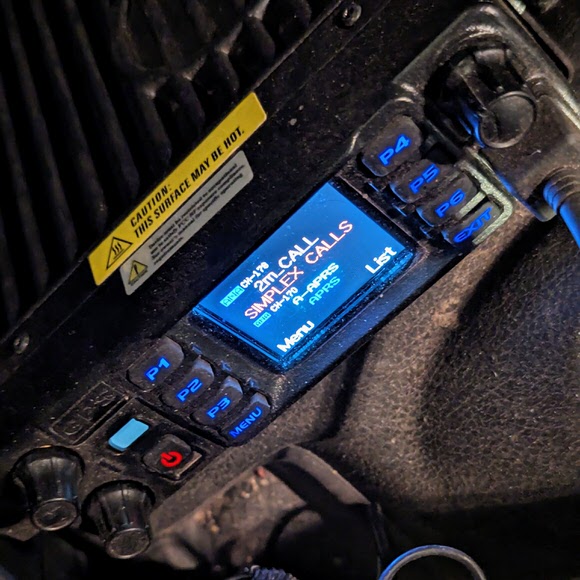
In an era where secure and reliable communication is paramount, especially for emergency responders, outdoor enthusiasts, and tactical teams, integrating modern technologies like Meshtastic, ATAK, and digital radios (such as DMR) offers significant advantages. This essay explores how these tools work individually and synergistically, with a focus on encrypted communication.
Meshtastic: Mesh Networking for the Masses
What is Meshtastic?
Meshtastic is an innovative, open-source communication platform designed to provide decentralized, long-range, and low-power messaging capabilities. It leverages LoRa (Long Range) radio technology, which is known for its ability to transmit data over several kilometers using minimal power. The project’s primary goal is to enable users to communicate—sharing text messages and location data—without the need for traditional infrastructure like cellular networks, Wi-Fi, or the internet.
How Does Meshtastic Work?
LoRa Radio Technology
At the heart of Meshtastic is LoRa, a wireless modulation technique that enables long-distance communication at low bit rates. LoRa operates in unlicensed ISM (Industrial, Scientific, and Medical) bands, such as 433 MHz, 868 MHz, and 915 MHz, depending on the region. This allows for legal, license-free operation in many countries.
Mesh Networking
Meshtastic devices form a mesh network, meaning each device (node) can relay messages for others. If two users are out of direct radio range, their messages can hop through intermediate nodes, extending the effective communication range. This decentralized approach increases reliability and coverage, especially in challenging environments like forests, mountains, or urban areas.
Device Types and Hardware
Meshtastic runs on affordable microcontroller boards, such as the ESP32, paired with LoRa radio modules (e.g., the HopeRF RFM95 or Semtech SX1276). These devices are compact, battery-powered, and can be carried in a pocket or mounted on gear.
User Interfaces
- Mobile App: Meshtastic provides Android and iOS apps that connect to the radio device via Bluetooth. The app offers a user-friendly interface for sending/receiving messages, viewing maps, and configuring device settings.
- Desktop and Web: There are also desktop and web interfaces for advanced configuration and monitoring.
- Command Line: For technical users, Meshtastic supports command-line tools and APIs for scripting and integration.
Key Features and Capabilities
Text Messaging
Users can send short text messages to individuals or groups. Messages are relayed across the mesh, ensuring delivery even if the sender and recipient are not within direct radio range.
Location Sharing
Many Meshtastic devices include GPS modules, allowing users to share their real-time location. This is particularly useful for outdoor activities, search and rescue, or team coordination.
Low Power Consumption
LoRa radios are highly energy-efficient, enabling devices to run for days or even weeks on a single battery charge. This makes Meshtastic ideal for remote or off-grid scenarios.
Open Source and Customizable
The Meshtastic project is fully open-source, with active community development. Users can modify the firmware, contribute features, or adapt the system for specialized use cases.
Encryption and Security
Meshtastic supports AES-256 encryption for messages, ensuring privacy and security within the mesh network. Only devices with the correct channel key can participate in the conversation.
Use Cases
- Outdoor Adventures: Hikers, campers, and explorers can stay in touch even in areas without cell coverage.
- Emergency Preparedness: Communities can maintain communication during disasters when infrastructure is down.
- Events and Festivals: Organizers and staff can coordinate across large venues without relying on overloaded cellular networks.
- Tactical and Field Operations: Teams can maintain secure, resilient communication in challenging environments.
Limitations and Considerations
- Bandwidth: LoRa is optimized for low data rates, so Meshtastic is best suited for text and small data packets, not voice or large files.
- Range: While LoRa offers impressive range (up to 10+ km in ideal conditions), obstacles like buildings or terrain can reduce effective distance.
- Legal Compliance: Users must ensure they operate within local regulations regarding frequency bands and transmission power.
Meshtastic represents a powerful, flexible, and accessible solution for decentralized communication. By harnessing the strengths of LoRa technology and mesh networking, it empowers individuals and groups to stay connected—securely and reliably—without dependence on traditional infrastructure. Its open-source nature ensures ongoing innovation and adaptability for a wide range of applications.
Key Features of Meshtastic: In-Depth Exploration
Mesh Networking: Extending Range and Reliability
At the core of Meshtastic’s functionality is its mesh networking capability. Unlike traditional point-to-point radio systems, where communication is limited to the direct range between two devices, a mesh network allows each device (node) to act as both a transmitter and a relay. Here’s how this enhances communication:
- Message Relaying: If a message’s destination is out of direct range, intermediate nodes automatically forward the message until it reaches its target. This “hopping” mechanism can dramatically increase the effective communication range.
- Network Resilience: Mesh networks are inherently robust. If one node fails or moves out of range, the network can dynamically reroute messages through other available nodes, maintaining connectivity.
- Scalability: Adding more nodes to the network not only increases coverage but also strengthens the network’s reliability, as there are more potential paths for messages to travel.
This makes Meshtastic especially valuable in environments where infrastructure is lacking or unreliable, such as wilderness areas, disaster zones, or large event venues.
Low Power Consumption: Ideal for Off-Grid Use
Meshtastic leverages LoRa radio technology, which is specifically designed for low-power, long-range communication. This brings several advantages:
- Extended Battery Life: Devices can operate for days or even weeks on a single charge, depending on usage and battery size. This is crucial for field operations, expeditions, or emergency kits where recharging options may be limited.
- Efficient Sleep Modes: Meshtastic firmware is optimized to minimize power draw, using deep sleep modes when the device is idle and waking only to transmit or receive messages.
- Solar and Portable Power: The low energy requirements make it feasible to power devices with small solar panels or portable battery packs, further enhancing off-grid usability.
This efficiency ensures that users can rely on Meshtastic for prolonged periods without frequent maintenance or battery changes.
Open Source: Community-Driven Development and Customization
Meshtastic is a fully open-source project, which brings several important benefits:
- Transparency: All source code for firmware, apps, and tools is publicly available, allowing anyone to inspect, audit, or modify it for security and trust.
- Community Contributions: A global community of developers and enthusiasts actively contributes to the project, adding features, fixing bugs, and improving documentation.
- Customization: Users can tailor the system to their specific needs—whether that means integrating new sensors, developing custom plugins, or adapting the user interface for specialized workflows.
- Rapid Innovation: Open-source development accelerates the pace of innovation, as new ideas and improvements can be quickly shared and adopted.
This collaborative approach ensures that Meshtastic remains flexible, secure, and responsive to the needs of its diverse user base.
Integration: Smartphone Connectivity via Bluetooth
Meshtastic is designed to be user-friendly and accessible, even for those without technical expertise. One of its standout features is seamless integration with smartphones:
- Bluetooth Connectivity: Most Meshtastic devices include Bluetooth modules, allowing them to pair with Android or iOS smartphones.
- Mobile Apps: Official Meshtastic apps provide intuitive interfaces for sending and receiving messages, viewing maps, configuring device settings, and monitoring network status.
- Notifications and Alerts: Users can receive real-time notifications on their phones, making it easy to stay informed without constantly checking the radio device.
- Data Sharing: The app can share GPS location data from the phone, or display locations received from other nodes on a map.
- Firmware Updates and Configuration: Users can update device firmware or change settings directly from their phones, streamlining maintenance and customization.
This integration bridges the gap between low-level radio hardware and modern mobile devices, making mesh networking accessible to a broad audience and enabling powerful new use cases.
Summary Table
| Feature | Description | Benefits |
|---|---|---|
| Mesh Networking | Devices relay messages through multiple nodes | Extended range, resilience, scalability |
| Low Power | LoRa technology and optimized firmware minimize energy use | Long battery life, off-grid operation |
| Open Source | Public codebase, community contributions, customizable | Transparency, rapid innovation, flexibility |
| Smartphone Integration | Bluetooth connection to Android/iOS apps for messaging, mapping, and configuration | User-friendly, real-time updates, easy setup |
These key features collectively make Meshtastic a powerful, adaptable, and practical solution for decentralized communication in a wide range of scenarios.
ATAK: The Android Team Awareness Kit
Overview
ATAK (Android Team Awareness Kit; in military parlance, TAK stands for “Tactical Assault Kit”) is a powerful, feature-rich geospatial situational awareness application designed primarily for Android devices. Originally developed by the U.S. Department of Defense, ATAK has evolved into a versatile tool used by military personnel, first responders, law enforcement, search and rescue teams, and even civilian outdoor enthusiasts. Its core purpose is to enhance operational effectiveness and safety by providing real-time mapping, messaging, and data sharing capabilities.
Core Capabilities and Features
Real-Time Mapping and Geospatial Awareness
- Dynamic Mapping: ATAK offers high-resolution, interactive maps that support a variety of formats, including satellite imagery, topographic maps, and custom overlays. Users can zoom, pan, and annotate maps in real time.
- Live Position Tracking: The app leverages GPS to display the precise location of the user and other team members on the map. This is crucial for coordination during missions, search and rescue operations, or large-scale events.
- Geofencing and Alerts: Users can define virtual boundaries (geofences) and receive alerts when team members enter or exit these areas, enhancing perimeter security and situational awareness.
Messaging and Communication
- Text Messaging: ATAK supports secure, real-time text messaging between users or groups, allowing for rapid information sharing and coordination.
- File and Data Sharing: Users can send images, documents, and other files directly through the app, streamlining the dissemination of critical information.
- Voice Integration: While ATAK itself is primarily focused on data, it can be integrated with radio systems or VoIP solutions for voice communication.
Data Overlays and Markup
- Custom Markers: Users can place markers for points of interest, hazards, objectives, or resources, which are instantly visible to the entire team.
- Drawing Tools: The app includes tools for drawing lines, shapes, and annotations directly on the map, useful for planning routes, marking boundaries, or highlighting areas of concern.
- Import/Export: ATAK supports importing and exporting geospatial data in formats like KML, KMZ, and shapefiles, enabling interoperability with other mapping tools.
Plugin Architecture and Extensibility
- Modular Design: ATAK’s plugin system allows users to add new features or integrate with external systems, such as sensors, UAVs (drones), or mesh networks like Meshtastic.
- Custom Workflows: Organizations can develop custom plugins to tailor ATAK to their specific operational needs, whether for disaster response, law enforcement, or military missions.
Security and Encryption
- Secure Communication: ATAK supports encrypted messaging and data transfer, ensuring that sensitive information remains protected from unauthorized access.
- User Authentication: Access controls and authentication mechanisms help restrict app usage to authorized personnel.
Use Cases
Military and Tactical Operations
- Mission Planning: Commanders can plan and disseminate mission details, routes, and objectives in real time.
- Blue Force Tracking: Real-time tracking of friendly forces reduces the risk of fratricide and improves coordination.
First Responders and Disaster Response
- Search and Rescue: Teams can coordinate search patterns, mark found victims, and share live updates on hazards or changing conditions.
- Incident Management: Command centers can monitor the location and status of all responders, allocate resources, and adapt to evolving situations.
Law Enforcement and Security
- Event Security: Officers can monitor crowd movement, respond to incidents, and maintain situational awareness during large public gatherings.
- Tactical Response: SWAT and tactical teams use ATAK for real-time coordination during high-risk operations.
Civilian and Outdoor Use
- Expeditions and Group Activities: Hikers, climbers, and explorers can share locations, routes, and emergency information, enhancing safety in remote areas.
Integration with Other Systems
- Radio Networks: ATAK can interface with digital radios (e.g., DMR), mesh networks (e.g., Meshtastic), and satellite communication devices, ensuring connectivity even in infrastructure-poor environments.
- Sensors and UAVs: The app can receive and display data from environmental sensors, cameras, and drones, providing a comprehensive operational picture.
- APIs and Data Feeds: Organizations can integrate ATAK with external databases, GIS systems, and command-and-control platforms.
Advantages and Limitations
Advantages
- Enhanced Situational Awareness: Real-time, shared geospatial data improves decision-making and coordination.
- Flexibility: Highly customizable through plugins and data integration.
- Security: Strong encryption and access controls protect sensitive information.
Limitations
- Platform Dependency: Primarily available for Android, though there are efforts to port similar functionality to other platforms.
- Complexity: The app’s extensive features can present a learning curve for new users.
- Connectivity: While ATAK can operate offline with preloaded maps, some features require network connectivity.
ATAK stands out as a transformative tool for teams operating in dynamic, high-stakes environments. By combining real-time mapping, secure communication, and extensibility, it empowers users to maintain superior situational awareness and coordination. Whether in military, emergency response, or civilian contexts, ATAK’s capabilities make it an indispensable asset for modern field operations.
Core Capabilities of ATAK: Detailed Exploration
Mapping and GPS Tracking: Real-Time Location Sharing
One of ATAK’s most powerful features is its advanced mapping and GPS tracking functionality. Here’s how it works and why it’s so valuable:
- Live Position Display: ATAK continuously tracks the GPS location of the user’s device and displays it on a high-resolution, interactive map. This allows users to see their own position and, when connected to a network, the positions of other team members in real time.
- Team Awareness: Each user’s location is updated and shared across the team, enabling “blue force tracking”—a military term for knowing where friendly units are at all times. This dramatically improves coordination, reduces the risk of friendly fire, and enhances safety.
- Custom Map Layers: Users can switch between different map types (satellite, street, topographic, custom raster/vector maps) depending on mission needs. Offline maps can be preloaded for use in areas without connectivity.
- Breadcrumb Trails: ATAK can record and display movement history, showing where users or assets have traveled. This is useful for search and rescue, patrols, or after-action reviews.
Data Overlays: Import/Export of KML, Imagery, and Other Data
ATAK’s mapping engine is highly flexible, supporting a wide range of geospatial data formats and overlays:
- KML/KMZ Support: Users can import and export KML/KMZ files, which are standard formats for geographic data (used by Google Earth and other GIS tools). This allows for easy sharing of routes, waypoints, boundaries, and other spatial information.
- Imagery Overlays: High-resolution aerial or satellite imagery can be layered onto maps, providing up-to-date visual context for planning and operations.
- Shapefiles and GeoJSON: ATAK supports additional GIS formats, enabling integration with professional mapping and analysis tools.
- Custom Markers and Annotations: Users can add points of interest, hazards, objectives, or notes directly onto the map, and these can be shared instantly with the team.
- Dynamic Data Feeds: Real-time data (such as weather, sensor readings, or live video from drones) can be displayed as overlays, giving users a comprehensive operational picture.
Plugin Support: Extensible for Custom Workflows
ATAK’s modular architecture is designed for extensibility, allowing organizations to tailor the app to their unique requirements:
- Plugin System: Developers can create plugins to add new features, integrate with external systems, or automate workflows. Examples include plugins for drone control, sensor integration, or specialized data visualization.
- Custom Tools: Plugins can provide custom tools for tasks like route planning, hazard analysis, or automated alerts.
- Community and Official Plugins: There is a growing ecosystem of both official and community-developed plugins, covering a wide range of use cases—from law enforcement to environmental monitoring.
- Rapid Adaptation: Organizations can quickly develop and deploy new capabilities without waiting for core app updates, ensuring ATAK remains relevant as operational needs evolve.
Interoperability: Integration with External Radios and Mesh Networks
ATAK is designed to function as a central hub for situational awareness, integrating with a variety of communication and data systems:
- Radio Integration: ATAK can connect to digital radios (such as DMR, P25, TETRA) for voice and data communication. This allows teams to maintain connectivity even in areas without cellular coverage.
- Mesh Networking: Integration with mesh networks like Meshtastic or goTenna enables decentralized, infrastructure-free communication. Messages, locations, and map data can be shared across the mesh, extending range and reliability.
- Satellite and Cellular Gateways: ATAK can use satellite modems or cellular hotspots to bridge remote teams with command centers or other networks.
- Sensor and Device Integration: The app can receive data from environmental sensors, cameras, UAVs, and other field devices, displaying this information in context on the map.
- APIs and Data Exchange: ATAK supports APIs and standard data formats, making it possible to exchange information with external GIS systems, databases, or command-and-control platforms.
Summary Table
| Capability | Description | Benefits |
|---|---|---|
| Mapping & GPS | Real-time location tracking and map display | Enhanced team coordination and safety |
| Data Overlays | Import/export of KML, imagery, shapefiles, and live data | Rich situational awareness, easy data sharing |
| Plugin Support | Modular architecture for custom tools and workflows | Tailored solutions, rapid innovation |
| Interoperability | Integration with radios, mesh networks, sensors, and external systems | Reliable, flexible, and scalable operations |
These core capabilities make ATAK a uniquely powerful tool for teams that require real-time situational awareness, secure communication, and operational flexibility in dynamic environments.
Digital Radios and DMR
Digital Mobile Radio (DMR): In-Depth Exploration
Digital Mobile Radio (DMR) is an open digital radio standard developed by the European Telecommunications Standards Institute (ETSI). It is designed to provide efficient, reliable, and feature-rich communication for professional users, including public safety agencies, utilities, transportation, and amateur radio operators. DMR has become one of the most popular digital radio standards worldwide, offering significant advantages over traditional analog systems.
Key Features and Advantages of DMR
Superior Audio Quality
- Digital Voice Encoding: DMR uses advanced digital voice codecs (typically AMBE+2) that compress and encode speech, resulting in clearer audio with less background noise and distortion, even at the edge of coverage.
- Error Correction: Built-in error correction algorithms help maintain intelligibility in challenging radio environments, where analog signals would become noisy or unreadable.
Spectrum Efficiency
- Two-Slot TDMA: DMR employs Time Division Multiple Access (TDMA) technology, dividing a single 12.5 kHz channel into two separate time slots. This allows two simultaneous and independent conversations or data streams on the same frequency, effectively doubling channel capacity compared to analog FM.
- Efficient Use of Bandwidth: This efficiency is especially valuable in crowded radio environments, where spectrum is limited and expensive.
Voice and Data Communication
- Voice Calls: DMR supports individual (private), group, and all-call (broadcast) voice communication, making it flexible for different operational needs.
- Text Messaging: Users can send short text messages between radios, which is useful for silent communication or transmitting information that needs to be referenced later.
- Data Services: DMR radios can transmit GPS location data, telemetry, and other digital information, enabling features like fleet tracking, remote monitoring, and integration with situational awareness platforms (e.g., ATAK).
Advanced Features
- Encryption: DMR supports various levels of voice and data encryption, from basic proprietary algorithms to robust AES-256 encryption, ensuring secure communication for sensitive operations.
- Remote Management: Radios can be programmed, updated, or managed over the air, reducing downtime and simplifying fleet maintenance.
- Emergency Functions: Features like emergency alerts, lone worker monitoring, and man-down detection enhance user safety.
Interoperability and Scalability
- Open Standard: As an open standard, DMR is supported by multiple manufacturers (e.g., Motorola, Hytera, TYT, Anytone), promoting interoperability and competitive pricing.
- Tiered Architecture: DMR is divided into three tiers:
- Tier I: License-free, low-power radios for consumer use.
- Tier II: Conventional licensed radios for professional users.
- Tier III: Trunked radio systems for large-scale, multi-site networks with advanced call routing and management.
DMR in Practice: Use Cases
- Public Safety: Police, fire, and EMS agencies use DMR for secure, reliable voice and data communication during emergencies.
- Utilities and Industry: Utility companies and industrial sites use DMR for dispatch, maintenance coordination, and safety monitoring.
- Transportation: DMR is used for fleet management, train and bus operations, and logistics.
- Amateur Radio: The amateur radio community has embraced DMR for global digital voice networks, allowing operators to communicate worldwide via radio and internet-linked repeaters.
Comparison: DMR vs. Analog Radios
| Feature | Analog Radios | DMR Digital Radios |
|---|---|---|
| Audio Quality | Degrades with range | Consistent, clear audio |
| Channel Efficiency | 1 call per channel | 2 calls per channel (TDMA) |
| Data Capability | Limited (tone only) | Text, GPS, telemetry |
| Encryption | Rare, basic | Advanced (up to AES-256) |
| Interoperability | Manufacturer-specific | Open standard, multi-vendor |
| Advanced Features | Limited | Emergency, remote mgmt, etc. |
Limitations and Considerations
- Complexity: DMR radios require programming and configuration, which can be more complex than analog systems.
- Compatibility: While DMR is an open standard, some features (like encryption) may not be compatible across all brands.
- Licensing: Most DMR systems require licensed frequencies, except for some Tier I consumer devices.
DMR represents a significant leap forward in radio communication technology, offering clear audio, efficient spectrum use, secure data transmission, and a host of advanced features. Its flexibility and scalability make it suitable for a wide range of users, from small teams to large organizations, and its open standard ensures ongoing innovation and interoperability in the digital radio landscape.
Advantages of DMR Digital Radios: In-Depth Exploration
Clearer Audio: Digital Encoding Reduces Noise
One of the most noticeable benefits of DMR (Digital Mobile Radio) over analog radio is the significant improvement in audio quality:
- Digital Voice Processing: DMR radios use digital codecs (such as AMBE+2) to encode and compress voice signals. This process removes much of the static, hiss, and background noise that plagues analog FM radios, especially as signal strength decreases.
- Consistent Clarity: With analog radios, audio quality degrades gradually as you move farther from the transmitter, becoming increasingly noisy and difficult to understand. In contrast, DMR maintains clear, intelligible audio until the signal drops out entirely (“cliff effect”), providing a more reliable user experience.
- Error Correction: DMR incorporates error correction algorithms that can reconstruct lost or corrupted parts of the signal, further enhancing clarity in challenging environments (e.g., urban canyons, dense forests, or industrial sites).
- Background Noise Suppression: Digital processing can filter out engine noise, wind, or other environmental sounds, making it easier for users to communicate in noisy settings.
Data Transmission: Supports Text, GPS, and Telemetry
DMR radios are not limited to voice communication—they also support a range of digital data services:
- Text Messaging: Users can send and receive short text messages between radios. This is useful for silent communication, transmitting addresses or instructions, or when voice communication is impractical.
- GPS Location Sharing: Many DMR radios include built-in GPS receivers. These radios can automatically transmit their location at set intervals, enabling real-time tracking of personnel, vehicles, or assets. This feature is invaluable for fleet management, search and rescue, and team coordination.
- Telemetry and Remote Control: DMR radios can transmit sensor data (such as temperature, battery status, or environmental readings) and support remote control functions (e.g., activating alarms, opening gates, or switching relays).
- Integration with Applications: DMR’s data capabilities allow integration with situational awareness platforms like ATAK, dispatch software, or asset management systems, creating a comprehensive operational picture.
Encryption: Built-in Support for Secure Communication
Security is a critical concern for many DMR users, and the standard includes robust encryption options:
- Voice and Data Encryption: DMR radios can encrypt both voice and data transmissions, ensuring that only authorized users with the correct encryption keys can listen to or access sensitive information.
- Multiple Encryption Levels: DMR supports several encryption algorithms, ranging from basic (ARC4, 40-bit) to advanced (AES-128 and AES-256). The choice of encryption level depends on the required security and regulatory environment.
- Key Management: Radios can be programmed with multiple encryption keys, allowing for secure communication across different teams or operational scenarios. Some systems support over-the-air key updates for added flexibility.
- Compliance and Privacy: Encryption helps organizations comply with privacy regulations and protects against eavesdropping, interception, or unauthorized access—essential for law enforcement, emergency services, and critical infrastructure.
Summary Table
| Advantage | Description | Benefits |
|---|---|---|
| Clearer Audio | Digital encoding and error correction reduce noise and maintain clarity | Reliable, intelligible communication |
| Data Transmission | Supports text, GPS, telemetry, and integration with external applications | Enhanced situational awareness and coordination |
| Encryption | Built-in support for secure voice and data communication (AES, ARC4, etc.) | Protects sensitive information, ensures privacy |
These advantages make DMR digital radios a superior choice for organizations and individuals who require reliable, versatile, and secure communication in demanding environments.
Encrypted Communication: Why It Matters
Importance of Encryption
Encryption is the process of converting information into a coded format that can only be read by someone with the correct decryption key. In the context of radio and digital communications, encryption is a foundational security measure that protects the confidentiality, integrity, and authenticity of transmitted data. Its importance cannot be overstated, especially in scenarios where sensitive or mission-critical information is being exchanged.
Confidentiality: Protecting Sensitive Information
- Preventing Eavesdropping: Without encryption, anyone with a compatible radio or software-defined receiver can intercept and listen to communications. Encryption ensures that only authorized users with the correct keys can access the content, keeping conversations private.
- Operational Security: In tactical operations—such as military missions, law enforcement activities, or disaster response—exposing plans, locations, or identities can have severe consequences. Encryption shields this information from adversaries, criminals, or unauthorized third parties.
- Personal Privacy: For civilians, encryption protects personal messages, location data, and other private information from being intercepted by hackers, stalkers, or malicious actors.
Integrity: Ensuring Data Has Not Been Altered
- Tamper Detection: Encryption often goes hand-in-hand with authentication and integrity checks. This means that if a message is intercepted and altered in transit, the recipient will know it has been tampered with.
- Trustworthy Communication: In critical operations, it’s essential to trust that the information received is exactly what was sent. Encryption helps guarantee this trust.
Authenticity: Verifying Sender Identity
- Preventing Spoofing: Encryption can be used alongside digital signatures or authentication protocols to verify the identity of the sender. This prevents adversaries from injecting false messages or impersonating team members.
- Command and Control: In coordinated operations, knowing that orders and updates are coming from legitimate sources is vital for safety and effectiveness.
Regulatory and Legal Compliance
- Data Protection Laws: Many industries and government agencies are required by law to protect sensitive data in transit. Encryption helps organizations comply with regulations such as GDPR, HIPAA, or CJIS.
- Audit and Accountability: Encrypted communication can be logged and audited, providing a record of who accessed or transmitted sensitive information.
Real-World Scenarios Where Encryption is Crucial
- Tactical Operations: Military and law enforcement teams rely on encrypted radios to coordinate movements, share intelligence, and execute missions without tipping off adversaries.
- Disaster Response: Emergency responders use encrypted channels to discuss rescue plans, victim locations, and resource allocation, preventing panic or interference.
- Corporate and Industrial Use: Companies use encrypted communication to protect trade secrets, proprietary data, and sensitive negotiations.
- Personal Safety: Activists, journalists, and privacy-conscious individuals use encrypted messaging to avoid surveillance or retaliation.
Risks of Unencrypted Communication
- Interception and Espionage: Unencrypted transmissions can be easily intercepted, recorded, and analyzed by anyone within range.
- Data Manipulation: Attackers can inject false information, causing confusion or leading to dangerous decisions.
- Loss of Trust: If sensitive information is leaked, it can damage reputations, compromise missions, or endanger lives.
Encryption is not just a technical feature—it is a critical safeguard for anyone who values privacy, security, and operational integrity. Whether in tactical, emergency, corporate, or personal contexts, encrypted communication ensures that sensitive information remains confidential, trustworthy, and protected from those who would misuse it. As digital and radio communications become more prevalent and accessible, the importance of robust encryption will only continue to grow.
Implementation of Encryption in Meshtastic, ATAK, and DMR
Encryption is implemented differently across Meshtastic, ATAK, and DMR, reflecting their unique architectures, use cases, and technical constraints. Here’s a detailed look at how each system secures communications:
Meshtastic: AES Encryption for Mesh Messaging
- Encryption Standard: Meshtastic uses Advanced Encryption Standard (AES), typically with 256-bit keys (AES-256), to encrypt all messages transmitted within the mesh network.
- How It Works:
- Each Meshtastic device is configured with a “channel key.” Only devices with the same key can decrypt and participate in the conversation.
- When a user sends a message, it is encrypted on the originating device and remains encrypted as it hops through intermediate nodes in the mesh.
- Only the intended recipient(s) with the correct key can decrypt and read the message.
- Key Management:
- Channel keys are usually set manually or via the Meshtastic app. Changing the key effectively creates a new, private mesh network.
- Key distribution is a critical security consideration; sharing keys securely (in person, via secure apps, or QR codes) is recommended.
- Security Benefits:
- Prevents eavesdropping by outsiders, even if they are within radio range.
- Ensures that only authorized users can participate in the mesh.
- Limitations:
- If a key is compromised, all communications on that channel are at risk until the key is changed.
- No built-in key exchange protocol; relies on out-of-band distribution.
ATAK: Encrypted Data Streams and Messaging
- Encryption Capabilities:
- ATAK itself is a software platform and can support encrypted communication, but the actual encryption depends on the transport layer and integration with secure radios or networks.
- When paired with secure radios (e.g., DMR with AES, military radios with Type 1 encryption), ATAK can send and receive encrypted messages, locations, and data.
- ATAK can also use encrypted IP-based protocols (such as TLS/SSL or VPNs) when communicating over cellular, Wi-Fi, or satellite networks.
- How It Works:
- Data generated in ATAK (messages, locations, files) is encrypted before transmission, either by the radio hardware or by the network protocol.
- End-to-end encryption can be achieved if both endpoints (devices) and the transport layer support it.
- Key Management:
- Key management is handled by the underlying radio system or network. For example, DMR radios are programmed with encryption keys, while VPNs use certificates or pre-shared keys.
- ATAK can be configured to use specific encryption settings based on operational requirements.
- Security Benefits:
- Flexible: Can adapt to the security level of the underlying communication system.
- Scalable: Supports both tactical (radio-based) and strategic (network-based) encryption.
- Limitations:
- Security is only as strong as the weakest link (e.g., if the radio is unencrypted, ATAK data can be intercepted).
- Complex key management in large or dynamic teams.
DMR: Multiple Levels of Voice and Data Encryption
- Encryption Algorithms:
- DMR supports several encryption methods, including:
- Basic Privacy (ARC4): A simple 40-bit stream cipher, offering minimal protection—suitable for casual privacy but not for sensitive operations.
- Enhanced Privacy (AES-128/AES-256): Advanced Encryption Standard with 128- or 256-bit keys, providing strong, industry-standard security.
- DMR supports several encryption methods, including:
- How It Works:
- Encryption is applied at the radio hardware level. When enabled, both voice and data transmissions are encrypted before being broadcast.
- Only radios programmed with the same encryption key can decrypt and understand the communication.
- Key Management:
- Keys are programmed into radios via software. Some systems support multiple keys and keysets for different groups or channels.
- Advanced systems may allow over-the-air key updates, but most require physical access for reprogramming.
- Security Benefits:
- Protects against eavesdropping, especially important for law enforcement, emergency services, and critical infrastructure.
- AES-256 encryption is considered highly secure and suitable for sensitive or classified information.
- Limitations:
- Interoperability: Not all radios (even from the same manufacturer) support the same encryption algorithms or key lengths.
- Key compromise: If a key is leaked, all communications using that key are vulnerable until it is changed.
Summary Table
| System | Encryption Type(s) | Key Management | Security Level | Notes |
|---|---|---|---|---|
| Meshtastic | AES-256 | Manual (app/QR code) | High (if key managed) | Mesh-wide, out-of-band key distribution |
| ATAK | Depends on transport (AES, TLS, VPN, etc.) | By radio/network | Variable (up to very high) | Inherits security of underlying system |
| DMR | ARC4 (basic), AES-128/256 (enhanced) | Programmed in radios | Low to very high | Some features may be brand-specific |
Encryption in Meshtastic, ATAK, and DMR is essential for protecting sensitive communications. Each system implements encryption according to its architecture and use case, but all share the goal of ensuring that only authorized users can access mission-critical information. Proper key management and understanding the strengths and limitations of each approach are vital for maintaining secure communications in the field.
Integrating Meshtastic, ATAK, and DMR
Bringing together Meshtastic, ATAK, and DMR creates a robust, flexible, and secure communications ecosystem. Each technology contributes unique strengths: Meshtastic offers decentralized mesh networking, ATAK provides advanced situational awareness and mapping, and DMR delivers reliable, encrypted voice and data radio communication. Integration allows teams to leverage the best features of each system, ensuring connectivity and operational effectiveness even in challenging environments.
Workflow Example: Step-by-Step Integration
1. Meshtastic Nodes: Building the Mesh Backbone
- Mesh Formation: Multiple Meshtastic devices (nodes) are deployed across the operational area. Each node communicates with its neighbors using LoRa radio, forming a self-healing mesh network.
- Encrypted Messaging: All messages and GPS data transmitted within the mesh are encrypted using AES-256, ensuring privacy and security.
- Relay Function: Nodes automatically relay messages, extending the network’s range and reliability. Even if some nodes are out of direct range, the mesh can route messages through intermediate devices.
- Off-Grid Capability: No reliance on cellular or internet infrastructure—ideal for remote, disaster, or denied environments.
2. ATAK Devices: Situational Awareness and Visualization
- Connection to Meshtastic: ATAK-enabled smartphones or tablets connect to nearby Meshtastic nodes via Bluetooth or serial (USB/TTL) interfaces.
- Data Ingestion: ATAK receives real-time GPS positions, text messages, and other data from the mesh network.
- Map Display: All received information is visualized on ATAK’s interactive map, providing users with a live, geospatial overview of team locations, messages, and points of interest.
- Two-Way Communication: Users can send messages or location updates from ATAK, which are then relayed through the Meshtastic mesh to other users.
3. DMR Radios: Secure Voice and Data Channels
- Voice Communication: DMR radios are used for encrypted voice communication, supporting individual, group, or broadcast calls.
- Data Transmission: Many DMR radios can also send and receive text messages and GPS data, complementing the mesh network.
- Encryption: DMR channels are configured with AES-128 or AES-256 encryption, ensuring that only authorized radios can participate in conversations.
- Redundancy: DMR provides a parallel communication path for critical voice traffic, ensuring that teams can coordinate even if one network is compromised or overloaded.
4. Interoperability: Bridging the Networks
- Gateway Devices: Specialized hardware or software gateways act as bridges between the Meshtastic mesh and DMR radio networks.
- Example: A Raspberry Pi or similar device equipped with both a Meshtastic node and a DMR radio can receive messages from one network and forward them to the other.
- Data Translation: Gateways convert message formats and protocols as needed, ensuring compatibility between systems (e.g., converting a Meshtastic text message into a DMR data burst, or vice versa).
- ATAK Integration: Gateways can also feed data directly into ATAK, allowing users to see DMR radio users’ locations or receive DMR text messages within the ATAK interface.
- Unified Situational Awareness: All users—whether on Meshtastic, DMR, or ATAK—can share critical information, locations, and updates, creating a seamless operational picture.
Practical Example: Field Operation Scenario
- Deployment: A search and rescue team deploys Meshtastic nodes across a mountainous area. Each team member carries a Meshtastic device and a DMR radio, and team leaders use ATAK-enabled tablets.
- Communication: Team members send status updates and GPS locations via Meshtastic, which are relayed through the mesh and displayed on ATAK maps.
- Voice Coordination: Urgent voice communication occurs over DMR radios, with all channels encrypted for security.
- Gateway Function: A gateway device at the command post links the Meshtastic mesh and DMR network, ensuring that messages and locations from one system are available to users on the other.
- Unified Command: The command center uses ATAK to monitor all team positions, send instructions, and maintain a real-time operational overview, regardless of which network individual users are on.
Benefits of Integration
- Redundancy and Resilience: Multiple communication paths ensure that if one system fails, others remain operational.
- Extended Coverage: Mesh networking and radio repeaters/gateways expand the operational area beyond the limits of any single technology.
- Enhanced Security: End-to-end encryption across all systems protects sensitive information.
- Unified Situational Awareness: ATAK acts as a central hub, integrating data from both Meshtastic and DMR, and providing a comprehensive, real-time map for decision-makers and field teams.
- Flexibility: Teams can adapt to changing conditions, using the most effective communication method for each scenario.
Technical Considerations
- Gateway Configuration: Setting up and maintaining gateways requires technical expertise, especially for protocol translation and key management.
- Latency: Message relaying and protocol conversion can introduce slight delays, which should be accounted for in time-sensitive operations.
- Key Management: Consistent and secure distribution of encryption keys across all systems is essential for maintaining security and interoperability.
- Device Compatibility: Not all DMR radios or Meshtastic devices support every feature; careful selection and configuration are necessary.
Integrating Meshtastic, ATAK, and DMR creates a powerful, secure, and adaptable communications ecosystem. By leveraging the strengths of each technology and bridging them through gateways and software integration, teams can achieve unparalleled situational awareness, operational flexibility, and resilience—essential for success in demanding field environments.
Benefits of Integrating Meshtastic, ATAK, and DMR: In-Depth Exploration
Redundancy: Multiple Communication Paths Increase Reliability
- System Diversity: By combining Meshtastic (mesh networking), ATAK (situational awareness platform), and DMR (digital radio), teams are not reliant on a single communication method. If one system fails—due to hardware malfunction, jamming, environmental interference, or power loss—others can continue to function.
- Network Resilience: Mesh networks like Meshtastic are self-healing; if a node drops out, messages can reroute through other nodes. DMR radios can use repeaters or direct simplex channels, and ATAK can operate over cellular, Wi-Fi, or radio links.
- Operational Continuity: In critical operations (e.g., disaster response, search and rescue, tactical missions), maintaining communication is vital. Redundancy ensures that teams remain connected even in the face of unexpected disruptions.
- Example: If a search team loses cellular coverage, they can still send messages via Meshtastic mesh. If the mesh is compromised or out of range, DMR radios provide a backup for voice and data.
Security: End-to-End Encryption Protects Sensitive Data
- Confidentiality: All three systems support strong encryption (e.g., AES-256 for Meshtastic and DMR, TLS/VPN for ATAK), ensuring that only authorized users can access messages, locations, and operational data.
- Protection from Eavesdropping: Encrypted communication prevents adversaries, criminals, or unauthorized parties from intercepting or understanding sensitive information, even if they have access to the radio spectrum or network.
- Integrity and Authenticity: Encryption, combined with authentication protocols, ensures that data has not been tampered with and that messages originate from legitimate sources. This is crucial for trust in command and control environments.
- Regulatory Compliance: Many organizations are required by law or policy to protect sensitive data in transit. End-to-end encryption helps meet these requirements.
Situational Awareness: Real-Time Mapping and Messaging Enhance Coordination
- Live Location Tracking: Integration with ATAK allows teams to see the real-time positions of all members, assets, and points of interest on a shared map. This is invaluable for coordination, resource allocation, and safety.
- Instant Messaging and Updates: Text messages, alerts, and status updates can be sent and received across the network, ensuring that everyone is informed of changes, hazards, or new objectives.
- Data Overlays and Visualization: ATAK’s mapping capabilities allow users to overlay routes, boundaries, hazards, and mission-critical data, providing a comprehensive operational picture.
- Decision Support: Commanders and team leaders can make informed decisions based on up-to-date information, improving response times and mission effectiveness.
- Cross-System Integration: Data from Meshtastic (mesh messages, GPS), DMR (voice, text, GPS), and other sensors can be unified in ATAK, giving all users a single, coherent view of the situation.
Summary Table
| Benefit | How It’s Achieved | Impact |
|---|---|---|
| Redundancy | Multiple, independent communication systems (mesh, radio, network) | Reliable, continuous communication |
| Security | End-to-end encryption (AES, TLS, VPN), authentication | Data confidentiality, integrity, compliance |
| Situational Awareness | Real-time mapping, messaging, data overlays, unified visualization | Enhanced coordination and decision-making |
The integration of Meshtastic, ATAK, and DMR delivers a communications ecosystem that is not only robust and secure but also highly effective for real-time coordination. Redundancy ensures reliability, encryption safeguards sensitive information, and advanced situational awareness tools empower teams to operate efficiently and safely in any environment. These benefits are essential for modern field operations, whether in emergency response, tactical missions, or remote expeditions.
Challenges and Considerations
Integrating and operating secure, multi-modal communication systems like Meshtastic, ATAK, and DMR brings significant benefits, but also introduces important challenges and considerations. Addressing these is essential for maintaining security, reliability, and legal compliance.
Key Management: Securely Distributing and Updating Encryption Keys
- Central Role of Keys: Encryption is only as strong as the secrecy and integrity of its keys. If keys are compromised, all encrypted communications can be decrypted by unauthorized parties.
- Distribution Challenges:
- Initial Setup: Keys must be securely distributed to all devices and users before communication begins. This often requires in-person meetings, secure digital channels, or physical transfer (e.g., QR codes, USB drives).
- Remote Teams: Distributing keys to geographically dispersed teams can be logistically complex and time-consuming.
- Updating Keys:
- Routine Rotation: Regularly changing keys (key rotation) is a best practice to limit the impact of potential leaks.
- Compromise Response: If a key is suspected to be compromised, all devices must be updated quickly—a process that can be disruptive if not well-planned.
- Over-the-Air Updates: Some systems (especially advanced DMR networks) support remote key updates, but this adds complexity and potential security risks if not properly secured.
- Human Factors:
- User Error: Users may forget to update keys, use weak keys, or inadvertently share them insecurely.
- Training: All users must be trained in key management procedures to avoid accidental compromise.
Compatibility: Ensuring Interoperability Between Devices and Protocols
- Diverse Ecosystem:
- Multiple Vendors: DMR radios, Meshtastic nodes, and ATAK devices may come from different manufacturers, each with their own firmware, features, and supported protocols.
- Encryption Algorithms: Not all devices support the same encryption standards (e.g., some DMR radios only support ARC4, others support AES-256).
- Data Formats: Message and location data may be formatted differently, requiring gateways or middleware to translate between systems.
- Integration Complexity:
- Gateways: Bridging Meshtastic and DMR, or feeding data into ATAK, often requires custom hardware or software gateways. These must be carefully configured and maintained.
- Firmware Updates: Updates to one system may break compatibility with others, requiring ongoing testing and coordination.
- Feature Gaps:
- Partial Support: Some devices may not support all desired features (e.g., GPS, text messaging, advanced encryption), limiting integration options.
- Proprietary Extensions: Some manufacturers add proprietary features that are not compatible with open standards or other brands.
Regulatory Compliance: Legal Restrictions on Encryption
- Jurisdictional Variations:
- Encryption Laws: Some countries restrict the use of strong encryption, require government registration of keys, or ban certain algorithms altogether.
- Frequency Licensing: Operating radios (especially DMR) may require licenses, and some frequencies or power levels may be restricted.
- Export Controls:
- International Shipments: Exporting devices with strong encryption (e.g., AES-256) may be subject to international regulations (such as the Wassenaar Arrangement or U.S. ITAR/EAR).
- Operational Risks:
- Confiscation or Penalties: Using unauthorized encryption or unlicensed radios can result in equipment confiscation, fines, or legal action.
- Disclosure Requirements: In some jurisdictions, authorities may require access to encryption keys or the ability to decrypt communications.
- Best Practices:
- Stay Informed: Always check local laws and regulations before deploying encrypted communications.
- Legal Counsel: Consult with legal experts when operating in new or sensitive regions.
Summary Table
| Challenge | Description | Risks/Impacts | Mitigation Strategies |
|---|---|---|---|
| Key Management | Secure distribution and rotation of encryption keys | Compromised security, communication failures | Secure channels, training, regular rotation |
| Compatibility | Interoperability between devices, protocols, and vendors | Integration failures, feature loss | Standardization, thorough testing, gateways |
| Regulatory Compliance | Legal restrictions on encryption and radio use | Fines, confiscation, legal action | Legal review, compliance with local laws |
While integrating Meshtastic, ATAK, and DMR offers powerful capabilities, success depends on careful attention to key management, compatibility, and regulatory compliance. Addressing these challenges proactively ensures that the benefits of secure, resilient, and interoperable communication are fully realized—without exposing teams to unnecessary risks.
Conclusion
The integration of Meshtastic, ATAK, and encrypted digital radios such as DMR represents a significant leap forward in the realm of field communications. Each technology brings unique strengths, and their combination creates a communication ecosystem that is far greater than the sum of its parts. Let’s explore in more detail why this integration is so transformative and what it means for the future.
Robustness: Resilience in Any Environment
- Multi-Layered Redundancy: By leveraging mesh networking (Meshtastic), digital radio (DMR), and situational awareness platforms (ATAK), users are no longer dependent on a single point of failure. If one system is compromised—due to environmental obstacles, equipment malfunction, or deliberate interference—others can seamlessly take over.
- Self-Healing Networks: Mesh networks automatically reroute messages around failed nodes, while DMR repeaters and direct simplex channels provide alternative voice and data paths.
- Operational Continuity: This robustness is crucial for mission-critical operations, disaster response, remote expeditions, and any scenario where reliable communication can mean the difference between success and failure.
Security: End-to-End Protection for Sensitive Information
- Strong Encryption: All three systems support advanced encryption standards (e.g., AES-256), ensuring that voice, text, and data transmissions remain confidential and protected from interception.
- Authentication and Integrity: Secure key management and authentication protocols help verify the identity of users and the integrity of messages, preventing spoofing and tampering.
- Privacy for All Users: Whether for military, emergency services, corporate teams, or privacy-conscious civilians, robust encryption safeguards sensitive information and personal privacy.
Flexibility: Adaptable to Diverse Needs and Scenarios
- Scalable Architecture: The ecosystem can be scaled up for large organizations or down for small teams and individuals. New nodes, radios, or devices can be added as needed.
- Interoperability: Gateways and software bridges allow seamless data flow between mesh networks, radio systems, and digital platforms, accommodating a wide range of operational requirements.
- Custom Workflows: Open-source platforms like Meshtastic and ATAK enable customization, plugin development, and integration with specialized sensors, UAVs, or external databases.
Enhanced Situational Awareness: Real-Time Coordination and Decision-Making
- Unified Operational Picture: ATAK’s mapping and data visualization capabilities bring together information from Meshtastic, DMR, and other sources, giving teams a real-time, geospatial overview of the situation.
- Faster, Informed Decisions: Commanders and field teams can make better decisions based on live data, improving safety, efficiency, and mission outcomes.
- Improved Team Coordination: Real-time location sharing, messaging, and alerts ensure that everyone stays informed and synchronized, even in dynamic or hazardous environments.
Shaping the Future: The Evolution of Secure Field Communications
- Continuous Innovation: As open-source communities and industry leaders continue to develop these platforms, new features, integrations, and security enhancements will emerge.
- Broader Accessibility: Affordable hardware and open standards are making advanced communication tools available to a wider audience, from professional responders to outdoor enthusiasts.
- Emerging Technologies: Integration with IoT devices, artificial intelligence, and next-generation networks (such as 5G or satellite internet) will further expand the capabilities and reach of these systems.
Final Thoughts
The convergence of Meshtastic, ATAK, and encrypted digital radios like DMR is revolutionizing how teams communicate, coordinate, and operate in the field. This integrated approach delivers unmatched reliability, security, and situational awareness—empowering users to meet the challenges of today and tomorrow. As technology continues to evolve, these tools will remain at the forefront of secure, resilient, and effective field communications, shaping the way we connect and collaborate in the most demanding environments.





Leave a Reply