
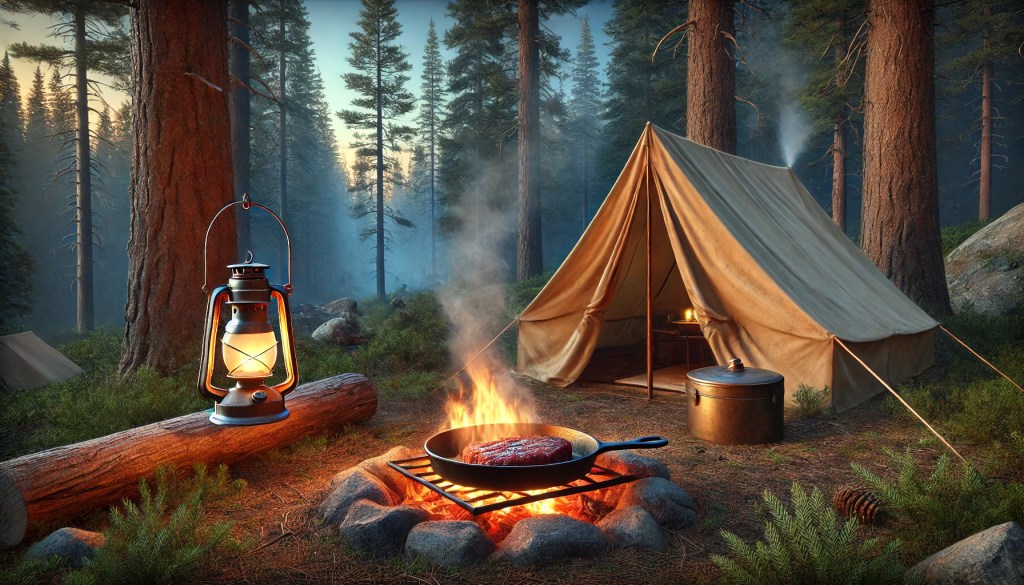
Camping has traditionally served as a refuge for individuals seeking solace from the relentless pace of modern life. It offers an opportunity to disconnect from the digital world and immerse oneself in the tranquility of nature. This desire to escape the hustle and bustle is rooted in the human need for simplicity and a connection to the natural environment, which can be difficult to achieve in urban settings dominated by technology and constant connectivity.
In recent years, however, the camping experience has undergone a significant transformation due to the proliferation of modern amenities. These conveniences, such as portable generators, electric lighting, and pre-packaged meals, have made camping more accessible and comfortable for a broader audience. While these advancements have their benefits, they also risk diluting the authenticity of the camping experience. The essence of camping lies in its simplicity and the challenge of living with minimal resources, which can be overshadowed by the presence of modern comforts.
The shift towards traditional camping methods can significantly enhance the enjoyment of the camping experience by reinstating its original purpose: to reconnect with nature and embrace a simpler way of life. Traditional camping encourages individuals to engage directly with their environment, fostering a deeper appreciation for the natural world. Without the distractions of modern technology, campers are more likely to notice the subtle beauty of their surroundings, from the rustling of leaves to the songs of birds. This heightened awareness can lead to a more profound sense of peace and fulfillment.
Moreover, traditional camping promotes self-reliance and the development of practical skills. In a world where convenience often takes precedence, the opportunity to rely on one’s abilities can be both challenging and rewarding. Building a shelter, starting a fire, and foraging for food are not only essential survival skills but also activities that cultivate a sense of accomplishment and confidence. These experiences can be particularly enriching for those who spend most of their time in urban environments, where such skills are rarely needed.
The slower pace of traditional camping also encourages mindfulness and presence. Modern life is characterized by constant stimulation and the pressure to multitask, which can lead to stress and burnout. Traditional camping, by contrast, requires individuals to focus on one task at a time, whether it’s setting up camp, cooking a meal, or exploring the wilderness. This deliberate approach allows campers to fully engage with their activities and surroundings, fostering a sense of calm and contentment.
Furthermore, traditional camping can strengthen social bonds by encouraging meaningful interactions. Without the distractions of screens and gadgets, campers are more likely to engage in conversations and activities with their companions. Shared experiences, such as storytelling around the campfire or collaborating on a challenging hike, can create lasting memories and deepen relationships. These connections are often more meaningful and fulfilling than those formed in the digital world.
Finally, traditional camping offers a sense of adventure and discovery that is often lacking in modern life. The unpredictability of the wilderness, with its hidden trails and unexpected encounters, can make each camping trip unique and exciting. This sense of adventure can reignite a childlike curiosity and wonder, reminding individuals of the joy of exploration and the thrill of the unknown.
While modern camp amenities offer convenience and comfort, they can detract from the authenticity and enjoyment of the camping experience. By embracing traditional camping methods, individuals can reconnect with nature, develop valuable skills, embrace a slower pace, strengthen social bonds, and experience the thrill of adventure. These elements combine to create a more enriching and memorable camping experience, allowing individuals to escape the hustle and bustle of modern life and rediscover the simple joys of the great outdoors.
Traditional camping offers a unique opportunity to foster a deeper connection with nature, a connection that is often diluted by the presence of modern amenities. These conveniences, while providing comfort, can inadvertently create a barrier between campers and the natural environment. By relying on technology such as portable generators and electric lights, campers may find themselves insulated from the very elements they seek to experience. The hum of a generator can drown out the subtle sounds of the forest, while artificial lighting can obscure the natural beauty of a starlit sky.
In contrast, traditional camping encourages individuals to engage directly with their surroundings, leading to a more authentic and immersive experience. One of the most profound ways this connection is fostered is through the act of cooking over an open fire. This age-old practice not only provides sustenance but also serves as a ritual that brings campers closer to nature. The process of gathering firewood, building a fire, and cooking a meal requires attention and presence, allowing individuals to slow down and appreciate the simplicity of their environment.
The sensory experiences associated with an open fire further enhance this connection. The crackling of the fire provides a comforting soundtrack to the camping experience, while the scent of burning wood evokes a primal sense of belonging to the natural world. These sensory elements create a multi-dimensional experience that engages campers on a deeper level, fostering a sense of peace and contentment.
Moreover, the absence of artificial light allows campers to fully appreciate the night sky, a sight that is often obscured in urban environments. The sight of stars unobscured by artificial light pollution can be awe-inspiring, reminding individuals of their place in the universe and the vastness of the natural world. This celestial display can evoke a sense of wonder and curiosity, encouraging campers to reflect on their connection to the environment and the broader cosmos.
Traditional camping also encourages individuals to be more attuned to the rhythms of nature. Without the distractions of modern technology, campers are more likely to notice the subtle changes in their surroundings, from the shifting patterns of light and shadow to the sounds of wildlife. This heightened awareness can lead to a deeper appreciation for the complexity and beauty of the natural world, fostering a sense of stewardship and responsibility for its preservation.
Traditional camping fosters a deeper connection with nature by encouraging individuals to engage directly with their environment. The absence of modern amenities allows campers to fully immerse themselves in the sensory experiences of the natural world, from the crackling of an open fire to the sight of a starlit sky. This immersion not only enhances the enjoyment of the camping experience but also fosters a sense of peace, wonder, and responsibility for the natural world.
Traditional camping is a powerful catalyst for promoting self-reliance and skill development, offering a stark contrast to the convenience-driven approach of modern camping. In a world where technology often simplifies tasks to the point of automation, traditional camping challenges individuals to rely on their own abilities and resourcefulness. This reliance on personal skills not only enhances the camping experience but also fosters a sense of empowerment and accomplishment.
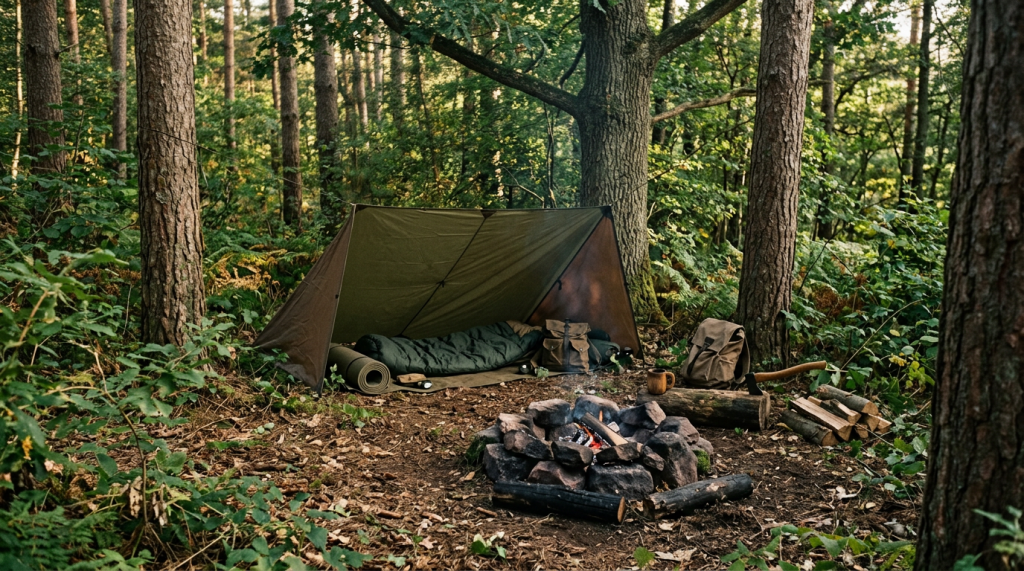
One of the fundamental aspects of traditional camping is the necessity to build a shelter. Unlike modern camping, where pop-up tents and pre-fabricated structures are readily available, traditional camping often requires individuals to construct their own shelters using natural materials or basic equipment. This process demands creativity, problem-solving, and an understanding of the environment. Successfully building a shelter that provides protection from the elements can instill a profound sense of achievement and confidence in one’s abilities.
Starting a fire is another essential skill that traditional camping promotes. In the absence of portable stoves or electric heaters, campers must learn to gather suitable materials, understand the principles of fire-building, and practice patience and perseverance. The ability to start a fire not only provides warmth and a means to cook food but also serves as a vital survival skill. Mastering this skill can be incredibly rewarding, as it connects individuals to a fundamental human practice that has been essential for survival throughout history.
Navigation is yet another area where traditional camping encourages skill development. Modern technology, with its GPS devices and digital maps, has made navigation more accessible but also less engaging. Traditional camping, by contrast, often requires the use of a map and compass, demanding a deeper understanding of the terrain and the ability to interpret natural landmarks. This skill not only enhances one’s ability to explore and appreciate the wilderness but also fosters a sense of independence and self-sufficiency.
The process of catching and cooking one’s own food is another rewarding aspect of traditional camping. Whether it’s fishing in a nearby stream or foraging for edible plants, sourcing food from the environment requires knowledge, patience, and respect for nature. Preparing and cooking this food over an open fire further enhances the experience, as it involves a direct connection to the natural world and a departure from the convenience of pre-packaged meals. The satisfaction of providing for oneself in this way can greatly enhance the enjoyment of the camping trip, as it taps into a primal sense of self-reliance and accomplishment.
Traditional camping promotes self-reliance and skill development by challenging individuals to rely on their own abilities and resourcefulness. The skills required for traditional camping, such as building a shelter, starting a fire, navigating with a map and compass, and sourcing food from the environment, not only enhance the camping experience but also foster a sense of empowerment and accomplishment. These skills connect individuals to the natural world and to the practices of our ancestors, providing a rewarding and enriching experience that modern conveniences often overlook.
Traditional camping offers a unique opportunity to slow down and focus on the present moment, a stark contrast to the fast-paced, constantly connected nature of modern life. In today’s world, where instant gratification and digital connectivity are the norms, even a camping trip can be infiltrated by the conveniences of technology. However, by embracing traditional camping methods, individuals can escape these distractions and immerse themselves in a more mindful and deliberate experience.
One of the key aspects of traditional camping that encourages a slower pace is the necessity to perform tasks manually and thoughtfully. Gathering firewood, for example, is not just a means to an end but an activity that requires time, effort, and attention. As campers search for suitable wood, they become more attuned to their surroundings, noticing the textures, scents, and sounds of the forest. This engagement with the environment fosters a sense of presence and mindfulness, allowing individuals to appreciate the natural world in a way that is often overlooked in the rush of daily life.
Preparing meals from scratch is another activity that embodies the slower pace of traditional camping. Unlike the convenience of pre-packaged meals or portable stoves, cooking over an open fire demands patience and skill. Campers must gather ingredients, prepare them, and cook them with care, all of which takes time and focus. This process not only results in a meal but also in a deeper appreciation for the effort and resources involved in sustaining oneself. The act of sharing a meal prepared in this way can also enhance social connections, as it encourages conversation and collaboration among campers.
Hiking to a campsite is yet another element of traditional camping that promotes a slower, more deliberate pace. Unlike driving to a designated spot, hiking requires individuals to engage physically and mentally with the terrain. The rhythm of walking, the sound of footsteps on the trail, and the changing landscape all contribute to a meditative experience that encourages reflection and presence. This journey to the campsite becomes an integral part of the camping experience, offering opportunities for discovery and connection with nature.
The slower pace of traditional camping allows individuals to savor each moment and appreciate the simplicity of life in the wilderness. Without the distractions of modern technology, campers are free to engage fully with their environment and companions. This immersion in the present moment can lead to a more relaxed and fulfilling experience, as it encourages individuals to let go of the pressures and demands of everyday life.
Moreover, the simplicity of traditional camping can foster a sense of gratitude and contentment. By focusing on basic tasks and needs, campers are reminded of the essentials of life and the beauty of simplicity. This perspective can lead to a greater appreciation for the natural world and a renewed sense of wonder and curiosity.
Traditional camping encourages a slower pace and a focus on the present moment by requiring individuals to engage thoughtfully with their environment and tasks. Activities such as gathering firewood, preparing meals from scratch, and hiking to a campsite demand time and attention, fostering mindfulness and presence. This slower pace allows campers to savor each moment, appreciate the simplicity of life in the wilderness, and experience a more relaxed and fulfilling camping trip.
Traditional camping offers a unique environment that is conducive to strengthening social bonds, primarily because it removes the distractions of modern technology and encourages direct, meaningful interactions. In a world where digital communication often takes precedence over face-to-face interactions, traditional camping provides an opportunity to reconnect with companions on a deeper level.
One of the most iconic aspects of traditional camping that fosters social connection is the campfire. Gathering around a fire creates a natural setting for storytelling and conversation. The warmth and glow of the fire provide a comforting backdrop that encourages openness and sharing. Without the interference of screens and notifications, campers are more likely to engage in meaningful discussions, share personal stories, and reflect on their experiences. This exchange of stories and ideas can lead to a greater understanding and appreciation of one another, strengthening the bonds between individuals.
Working together to set up camp is another activity that promotes camaraderie and teamwork. Tasks such as pitching tents, gathering firewood, and preparing meals require cooperation and communication. These collaborative efforts not only ensure the success of the camping trip but also build trust and reliance among group members. The shared responsibility of creating a comfortable and functional campsite fosters a sense of unity and accomplishment, as everyone contributes to the collective well-being of the group.
Exploring the wilderness as a group further enhances social bonds. Whether it’s hiking a challenging trail, discovering a hidden waterfall, or observing wildlife, these shared adventures create lasting memories and a sense of shared achievement. The unpredictability and excitement of exploring nature together can strengthen relationships, as individuals rely on each other for support and encouragement. These experiences often lead to inside jokes, shared stories, and a deeper connection that extends beyond the camping trip.
Traditional camping also provides an opportunity for individuals to disconnect from their usual roles and routines, allowing them to interact with their companions in new and different ways. This change of environment can lead to more authentic interactions, as individuals are free from the pressures and expectations of everyday life. The simplicity and freedom of the camping experience can encourage individuals to be more open and genuine, fostering deeper connections with their companions.
Moreover, the absence of modern technology allows campers to be fully present with one another. Without the distractions of phones, tablets, and other devices, individuals can focus on their companions and the shared experience. This presence and attention can lead to more meaningful interactions and a greater sense of connection.
Traditional camping strengthens social bonds by removing the distractions of modern technology and encouraging direct, meaningful interactions. Activities such as sharing stories around the campfire, working together to set up camp, and exploring the wilderness as a group foster camaraderie, teamwork, and a sense of unity. These shared experiences create lasting memories and deepen relationships, enhancing the overall enjoyment of the camping trip and leaving individuals with a renewed sense of connection to one another.
Traditional camping is inherently infused with a sense of adventure and discovery, offering an experience that is both unpredictable and exhilarating. Unlike modern camping, which often replicates the comforts and routines of home, traditional camping invites individuals to step outside their comfort zones and embrace the unknown. This element of unpredictability is what makes each camping trip unique and exciting, as it opens the door to new experiences and challenges.
One of the most compelling aspects of traditional camping is the opportunity for exploration. Without the constraints of modern amenities, campers are encouraged to venture into the wilderness and discover its hidden treasures. This might involve hiking along unmarked trails, stumbling upon a secluded waterfall, or finding a perfect spot to watch the sunrise. Each discovery adds a layer of excitement and wonder to the camping experience, as individuals engage with the natural world in its raw and unfiltered form.
Encountering wildlife is another thrilling aspect of traditional camping. Whether it’s observing a family of deer grazing nearby, listening to the call of a distant owl, or catching a glimpse of a fox darting through the underbrush, these encounters provide a direct connection to the ecosystem. The unpredictability of wildlife sightings adds an element of surprise and awe, reminding campers of the richness and diversity of the natural world. These moments of discovery can be both humbling and inspiring, fostering a deeper appreciation for the environment and its inhabitants.
Navigating new trails and terrains is yet another way traditional camping fosters a sense of adventure. Without the reliance on GPS devices or pre-planned routes, campers must rely on their instincts, maps, and compasses to find their way. This process of navigation not only enhances one’s sense of direction and spatial awareness but also instills a sense of accomplishment and confidence. The challenge of finding one’s way through unfamiliar landscapes can be both daunting and rewarding, as it encourages individuals to trust in their abilities and embrace the journey.
The unpredictability of traditional camping also extends to the weather and environmental conditions. Unlike the controlled environments of modern camping, traditional camping requires individuals to adapt to changing weather patterns, from sudden rain showers to unexpected temperature drops. This adaptability fosters resilience and resourcefulness, as campers learn to make the most of their circumstances and find joy in the unexpected.
Moreover, traditional camping encourages a mindset of curiosity and openness. Without the distractions of modern technology, individuals are more likely to engage with their surroundings and seek out new experiences. This curiosity can lead to spontaneous adventures, such as exploring a hidden cave, climbing a rocky outcrop for a better view, or simply wandering through the forest to see where the path leads. Each of these experiences adds to the richness and excitement of the camping trip, creating memories that last a lifetime.
Traditional camping offers a sense of adventure and discovery by embracing the unknown and encouraging exploration. The unpredictability of the wilderness, from discovering hidden natural wonders to encountering wildlife and navigating new trails, makes each trip unique and exciting. This sense of adventure fosters curiosity, resilience, and a deeper connection to the natural world, enhancing the overall enjoyment and fulfillment of the camping experience.
In conclusion, the allure of modern camp amenities lies in their ability to provide convenience and comfort, making the outdoors more accessible to a wider audience. However, this convenience often comes at the cost of authenticity and the full enjoyment of the camping experience. By relying heavily on technology and pre-packaged solutions, campers may find themselves distanced from the very essence of what makes camping a unique and rewarding activity.
Returning to traditional camping methods offers a pathway to rediscovering the core values and experiences that make camping truly enriching. One of the most significant benefits of traditional camping is the opportunity to foster a deeper connection with nature. Without the barriers created by modern technology, individuals can immerse themselves fully in the natural environment, engaging all their senses and appreciating the beauty and complexity of the wilderness. This connection not only enhances the camping experience but also fosters a sense of stewardship and responsibility for the natural world.
Traditional camping also promotes the development of valuable skills that are often overlooked in modern life. Skills such as building a shelter, starting a fire, and navigating using a map and compass are not only practical but also empowering. They encourage self-reliance and problem-solving, providing a sense of accomplishment and confidence that can be both rewarding and transformative. These skills connect individuals to the practices of our ancestors, offering a glimpse into the ingenuity and resilience required to thrive in the natural world.
Embracing a slower pace is another hallmark of traditional camping. In a society characterized by constant connectivity and instant gratification, the deliberate and mindful approach required by traditional camping can be a welcome respite. Tasks such as gathering firewood, preparing meals from scratch, and hiking to a campsite demand time and attention, allowing individuals to fully engage with their environment and companions. This slower pace encourages mindfulness and presence, leading to a more relaxed and fulfilling experience.
Strengthening social bonds is yet another benefit of traditional camping. Without the distractions of modern technology, campers are more likely to engage in meaningful conversations and activities with their companions. Whether it’s sharing stories around the campfire, working together to set up camp, or exploring the wilderness as a group, these shared experiences foster camaraderie and teamwork. The connections formed during a traditional camping trip can create lasting memories and deepen relationships, enhancing the overall enjoyment of the trip.
Finally, traditional camping offers a sense of adventure and discovery that is often lacking in modern life. The unpredictability of the wilderness, from discovering hidden natural wonders to encountering wildlife and navigating new trails, makes each trip unique and exciting. This sense of adventure fosters curiosity, resilience, and a deeper connection to the natural world, reminding individuals of the simple joys of exploration and discovery.
While modern camp amenities offer convenience and comfort, they can detract from the authenticity and enjoyment of the camping experience. By moving back to traditional camping methods, individuals can foster a deeper connection with nature, develop valuable skills, embrace a slower pace, strengthen social bonds, and experience the thrill of adventure. These elements combine to create a more enriching and memorable camping experience, reminding us of the simple joys of life in the great outdoors and the timeless appeal of connecting with nature.


 UTAZCO Overland
Leave a Reply