
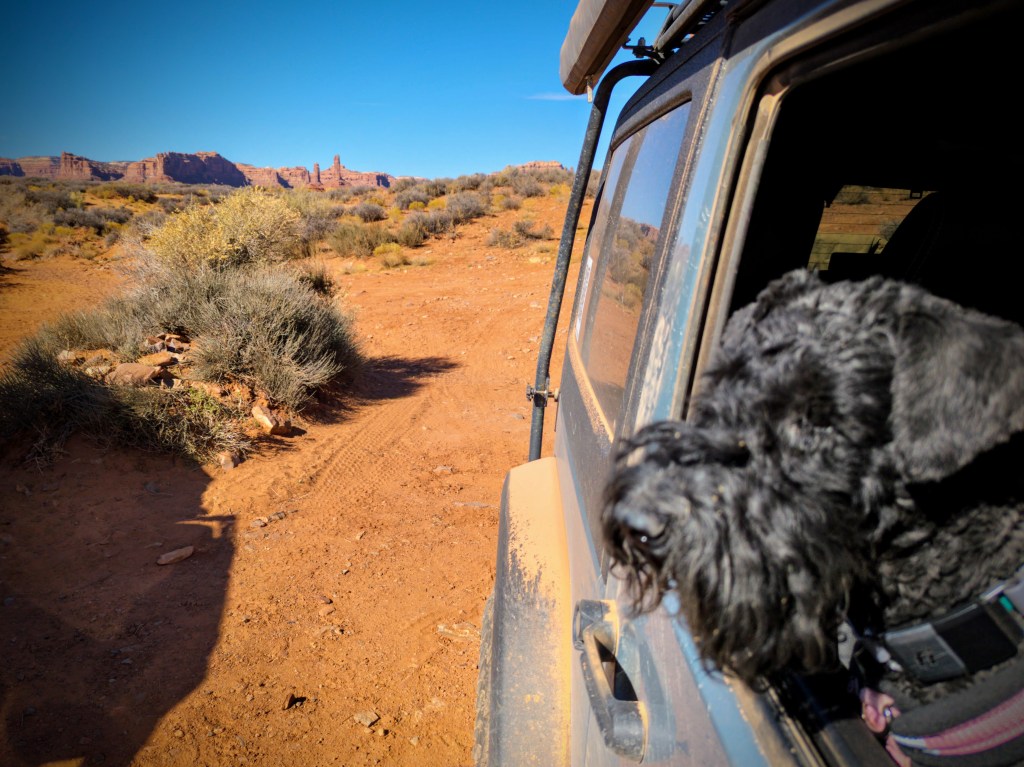
Travelling and dispersed camping with pets is an increasingly popular way for outdoor enthusiasts to experience nature while sharing adventures with their furry companions. Unlike traditional campgrounds, dispersed camping offers solitude and freedom, but also presents unique challenges and responsibilities for pet owners. This essay explores the essentials of preparing for, enjoying, and responsibly managing dispersed camping trips with pets.
Preparing for the Journey
Choosing the Right Destination
Selecting the right destination is foundational to a successful dispersed camping trip with pets. This decision shapes not only the enjoyment of the experience but also the safety and well-being of both humans and animals. The process involves careful research, consideration of your pet’s needs, and an understanding of the unique challenges posed by different environments.
Understanding Land Management Agencies and Their Rules
Public lands in the United States are managed by various agencies, each with its own set of regulations regarding pets:
- National Forests: Generally, pets are allowed in most national forests, but leash requirements can vary. Some areas may permit off-leash pets if they are under voice control, while others require leashes at all times, especially in developed recreation areas or during certain seasons.
- Bureau of Land Management (BLM) Lands: BLM lands are often more lenient, allowing pets in most dispersed camping areas. However, local rules may apply, particularly in areas with sensitive wildlife or restoration projects.
- State Parks: State parks can be more restrictive. Some allow pets only in designated areas or prohibit them on certain trails and beaches. Regulations can differ significantly from state to state.
- National Parks: Most national parks have strict pet policies, often limiting pets to developed areas, campgrounds, and paved roads. Dispersed camping with pets is rarely permitted within park boundaries.
Before setting out, consult official websites or contact ranger stations to confirm the latest rules. Ignorance of regulations can result in fines or being asked to leave.
Evaluating Terrain and Accessibility
The physical landscape of your destination should match your pet’s abilities and needs. Consider:
- Elevation and Terrain: Steep, rocky, or uneven ground may be challenging for older pets or those with mobility issues. Soft forest floors or grassy meadows are generally more comfortable.
- Water Sources: Access to clean water is essential, but proximity to lakes or streams may increase the risk of encounters with wildlife or waterborne hazards.
- Remoteness: Remote sites offer solitude but may be harder to reach in case of emergencies. Assess your pet’s health and your ability to carry them if needed.
Climate and Seasonal Considerations
Weather conditions can greatly impact your pet’s comfort and safety:
- Temperature Extremes: Hot climates increase the risk of heatstroke, while cold environments require extra insulation and protection for pets.
- Seasonal Hazards: Spring and summer may bring ticks, mosquitoes, and other pests. Winter camping demands preparation for snow and ice.
- Fire Restrictions: In dry seasons, fire bans may affect your ability to cook or keep warm, which can be important for pets sensitive to cold.
Identifying Potential Hazards
Every environment presents unique risks:
- Wildlife: Bears, coyotes, snakes, and even porcupines can pose threats to pets. Research the local fauna and learn how to minimize encounters.
- Poisonous Plants: Some regions are home to plants that are toxic to dogs and cats, such as certain mushrooms, wildflowers, or shrubs.
- Insects and Parasites: Fleas, ticks, and mosquitoes can transmit diseases. Preventative treatments and regular checks are essential.
Matching the Destination to Your Pet’s Personality
Finally, consider your pet’s temperament and experience:
- Sociability: Some pets thrive in solitude, while others may be anxious in unfamiliar, isolated settings.
- Energy Level: High-energy dogs may need open spaces for exercise, while older or smaller pets may prefer shorter walks and more downtime.
- Previous Experience: If your pet is new to camping, start with shorter trips to less remote areas before attempting multi-day dispersed adventures.
Summary Table: Destination Considerations
| Factor | Questions to Ask |
|---|---|
| Land Management Rules | Are pets allowed? What are leash requirements? |
| Terrain | Is the ground suitable for my pet’s mobility? |
| Water Access | Is there safe water nearby? Are there risks? |
| Climate | What are the temperature extremes? |
| Hazards | What wildlife or plants could harm my pet? |
| Pet’s Personality | Will my pet be comfortable and safe here? |
Evaluating these aspects, you can choose a destination that maximizes enjoyment and minimizes risks, ensuring a positive dispersed camping experience for both you and your pet.
Packing Essentials for Pets
Preparation is the cornerstone of a safe and enjoyable dispersed camping trip with pets. While food, water, and bedding are fundamental, a truly comprehensive packing list goes further to address the unique needs and potential emergencies that can arise in remote settings.
Food and Water
Bring enough food for the entire trip, plus extra in case of delays. Store food in airtight containers to prevent attracting wildlife. For water, carry a supply sufficient for both you and your pet, as natural sources may be unreliable or unsafe. Portable water filters or purification tablets can be useful, but always ensure your pet’s water is clean and free from contaminants.
Bedding and Shelter
A comfortable sleeping arrangement helps your pet rest and recover after active days. Options include portable pet beds, blankets, or even a section of your own sleeping pad. In cold or wet conditions, consider insulated or waterproof bedding. If your tent is too small or your pet prefers their own space, a lightweight pet tent or crate can provide shelter and security.
Identification and Vaccination Records
Up-to-date identification is crucial in case your pet becomes lost. Ensure your pet wears a collar with an ID tag that includes your current contact information. Microchipping is highly recommended as a backup. Carry printed or digital copies of vaccination records, especially rabies certificates, as some areas require proof of vaccination.
Leash and Harness
A sturdy leash and well-fitting harness are essential for controlling your pet in unfamiliar environments. Even if off-leash is allowed, a leash is necessary for hiking, wildlife encounters, or when near other campers. Consider a long lead for supervised roaming, and a reflective or brightly colored harness for visibility.
Waste Management Supplies
Responsible waste disposal is a key part of Leave No Trace ethics. Bring waste bags for collecting pet waste, or a small trowel for burying it at least 6-8 inches deep and 200 feet from water sources. Some campers use portable pet toilets or pack-out systems in sensitive environments.
First Aid Supplies
A pet-specific first aid kit should include:
- Bandages and gauze
- Antiseptic wipes or spray
- Tweezers (for tick or thorn removal)
- Styptic powder (to stop bleeding)
- Booties (for paw protection)
- Any prescription medications your pet needs
Familiarize yourself with basic pet first aid procedures, such as treating cuts, insect bites, or heatstroke.
Additional Useful Items
Depending on your destination and your pet’s needs, consider packing:
- Collapsible food and water bowls
- Paw balm for rough terrain
- Dog-safe insect repellent
- Cooling vests or jackets for temperature extremes
- Toys or chews for downtime
- Light-up or reflective gear for nighttime visibility
Packing Essentials Table
| Item | Purpose/Notes |
|---|---|
| Food & Water | Sufficient supply, airtight storage |
| Bedding & Shelter | Comfort, insulation, protection |
| ID & Vaccination Records | Safety, legal requirements |
| Leash & Harness | Control, safety, visibility |
| Waste Bags/Trowel | Responsible waste disposal |
| First Aid Kit | Emergency care, medications |
| Collapsible Bowls | Easy feeding and hydration |
| Paw Protection | Prevent injury on rough terrain |
| Insect Repellent | Protect from pests |
| Toys/Chews | Mental stimulation, comfort |
assembling these essentials, you ensure your pet’s safety, comfort, and well-being, allowing both of you to fully enjoy the adventure of dispersed camping.
Vehicle and Travel Safety
Ensuring your pet’s safety during travel is just as important as preparing for the time spent at camp. Long drives to remote dispersed camping locations can be stressful for animals, so thoughtful planning is essential to minimize risks and maximize comfort.
One of the first considerations is how your pet will be restrained during the journey. Allowing pets to roam freely inside a moving vehicle is dangerous for both the animal and the driver. Sudden stops or sharp turns can cause injury, and an unrestrained pet can become a distraction or even a projectile in the event of an accident. The safest options include using a crash-tested harness that attaches to a seatbelt, a secured crate, or a pet barrier that keeps animals in the back seat or cargo area. These restraints not only protect your pet but also provide them with a sense of security in a confined space.
Temperature control inside the vehicle is another critical factor. Cars can heat up or cool down rapidly, even with the windows cracked, and pets are far more susceptible to temperature extremes than humans. During summer, the interior of a car can become dangerously hot within minutes, leading to heatstroke or even death. In cold weather, hypothermia is a real risk. For these reasons, it is vital never to leave pets unattended in a vehicle, regardless of the outside temperature or the duration of your absence. If you must leave the vehicle, take your pet with you or ensure another responsible person stays behind to monitor their well-being.
Frequent breaks are necessary for both the comfort and health of your pet. Long stretches of travel can cause anxiety, restlessness, and physical discomfort. Plan your route with regular stops at safe, pet-friendly locations where your animal can stretch, relieve themselves, and drink water. These breaks also provide an opportunity to check your pet for signs of stress, overheating, or dehydration, and to offer reassurance through attention and play.
Additionally, consider your pet’s travel experience and temperament. Some animals may experience motion sickness or anxiety during car rides. Gradual acclimation to longer trips, bringing familiar bedding or toys, and consulting your veterinarian about anti-nausea or calming medications can help make the journey smoother.
Finally, always keep essential supplies within easy reach inside the vehicle. This includes water, a bowl, waste bags, and a leash or harness for quick stops. In case of an emergency or unexpected delay, having these items accessible ensures you can care for your pet’s immediate needs without unpacking the entire vehicle.
By prioritizing secure restraint, temperature regulation, regular breaks, and easy access to supplies, you create a safer and more comfortable travel experience for your pet, setting the stage for a successful dispersed camping adventure.
Setting Up Camp
Selecting a Campsite
The process of selecting a campsite during dispersed camping is a thoughtful balance between environmental responsibility, personal comfort, and the safety of your pet. One of the most important principles is to set up camp at least 200 feet away from lakes, rivers, or streams. This distance helps protect delicate riparian ecosystems from contamination and prevents your pet from disturbing wildlife that relies on these water sources. It also reduces the risk of your pet encountering aquatic hazards or drinking unsafe water.
When you arrive at your chosen area, take time to survey the landscape for a flat and stable spot to pitch your tent or set up your sleeping area. Uneven ground can lead to uncomfortable nights for both you and your pet, and may even cause injuries if your pet jumps or runs unexpectedly. Shaded areas are ideal, especially in warmer climates, as they help regulate temperature and keep your pet cool during the day. However, be mindful of overhead hazards such as dead branches, which could fall during wind or storms.
Safety is paramount, so inspect the ground for sharp rocks, thorny plants, or other debris that could injure your pet’s paws or body. Some regions may have cacti, burrs, or even broken glass left by previous visitors. Clearing the area of these hazards not only makes the site more comfortable but also reduces the risk of infection or injury.
Your pet’s sleeping area deserves special attention. It should be sheltered from wind, rain, and direct sunlight, providing a cozy and secure retreat. If you’re camping in colder weather, consider how you’ll insulate your pet from the cold ground—using a sleeping pad, blanket, or even a small tent designed for pets. In hot climates, ensure there is adequate ventilation and shade throughout the day. Position your pet’s bed or crate close to your own sleeping area to provide reassurance and make it easier to monitor their well-being overnight.
Finally, consider the proximity to trails, roads, or other campsites. While dispersed camping is often about solitude, you may still encounter other campers or wildlife. Setting up camp away from high-traffic areas reduces the likelihood of your pet being startled or tempted to wander. It also helps maintain the peace and privacy that make dispersed camping so appealing.
By carefully evaluating these factors, you create a campsite that is not only environmentally responsible but also safe and comfortable for your pet, laying the groundwork for a positive and memorable outdoor experience.
Establishing Boundaries
Establishing clear boundaries for your pet is a fundamental aspect of camping, even when you are far from the nearest neighbor or developed campground. The natural freedom of remote areas can be both a blessing and a risk, making supervision and control essential for your pet’s safety, the protection of wildlife, and the preservation of the camping experience for others.
Supervision is the first and most important boundary. In the wilderness, pets can quickly become disoriented or distracted by unfamiliar sights, sounds, and smells. Even the most well-behaved animals may be tempted to chase after wildlife, investigate interesting scents, or simply wander out of sight. Constant supervision ensures that you can intervene before your pet encounters hazards such as venomous snakes, aggressive animals, or dangerous terrain. It also allows you to monitor their health and comfort, noticing signs of fatigue, overheating, or injury before they become serious problems.
Physical boundaries, such as leashes or portable pens, provide a practical solution for keeping pets close and safe. A sturdy leash allows you to maintain control during walks or while relaxing at camp, preventing your pet from straying into unsafe areas or approaching other campers uninvited. In some situations, a portable pen or exercise enclosure can give your pet a sense of freedom while still keeping them contained. These enclosures are especially useful for smaller pets or those who are not fully trained to stay nearby. They also create a defined space for your pet to eat, rest, and play without constant restraint.
Training is another crucial element in establishing boundaries. Reliable recall commands—such as “come,” “stay,” or “leave it”—can be lifesaving in the backcountry. Training your pet to respond promptly, even in the face of distractions like wildlife or other campers, gives you an extra layer of security. This training should be practiced regularly in a variety of environments before your trip, gradually increasing the level of distraction to mimic real-world camping scenarios. Positive reinforcement, patience, and consistency are key to building a strong recall response.
Establishing boundaries also means respecting the experience of other campers and the integrity of the natural environment. Even in remote areas, sound can travel far, and an unsupervised or barking pet can disrupt the solitude that others seek. Keeping your pet under control minimizes the risk of conflicts with other campers, protects sensitive habitats, and helps ensure that dispersed camping remains a privilege for responsible pet owners.
Boundaries are not about restricting your pet’s enjoyment, but about creating a safe, respectful, and harmonious camping experience for everyone involved. By combining supervision, physical containment, and effective training, you empower your pet to explore and enjoy the outdoors while minimizing risks and upholding your responsibilities as a camper.
Daily Life at Camp
Feeding and Hydration
Ensuring your pet’s nutritional needs are met is a central part of daily life while dispersed camping. The unfamiliar environment, increased physical activity, and exposure to the elements all make it even more important to be attentive to feeding and hydration routines.
Access to clean, fresh water is non-negotiable. Unlike at home, where water is always available, the outdoors presents challenges such as limited water sources, potential contamination, and rapid dehydration—especially in hot, dry, or high-altitude environments. It’s essential to bring enough potable water for both you and your pet, factoring in extra for unexpected delays or increased activity. If you plan to use natural water sources, always filter or purify the water before offering it to your pet, as streams and lakes can harbor parasites, bacteria, or harmful chemicals. Portable water bowls or collapsible containers make it easy to provide water throughout the day, whether you’re at camp or out exploring.
Food storage is another critical consideration. The scent of pet food can attract wildlife ranging from rodents to bears, posing risks to both your pet and the local ecosystem. Store all food in airtight containers and keep it inside your vehicle or use bear-proof canisters if you’re in bear country. Never leave food or bowls out unattended, even for short periods. Feeding your pet at designated times and promptly cleaning up any leftovers or spills helps minimize unwanted animal encounters and keeps your campsite clean.
Maintaining a regular feeding schedule is beneficial for your pet’s comfort and digestion. The routine of familiar meal times can help reduce anxiety and provide a sense of normalcy in an otherwise novel setting. If your pet is used to eating twice a day at home, try to stick to that schedule as closely as possible. Increased activity during camping may mean your pet needs more calories or snacks, so monitor their energy levels and adjust portions if necessary. However, avoid overfeeding, as sudden dietary changes or overeating can lead to digestive upset, which is especially inconvenient in the backcountry.
It’s also important to observe your pet for signs of dehydration or hunger. Symptoms such as excessive panting, lethargy, dry gums, or loss of skin elasticity can indicate dehydration and require immediate attention. Encourage your pet to drink regularly, especially after exercise or during hot weather. Some pets may be reluctant to drink unfamiliar water, so bringing water from home or flavoring it with a splash of low-sodium broth can help.
Finally, remember that feeding and hydration routines are not just about sustenance—they are opportunities for bonding and reassurance. Sharing quiet moments during meals, offering treats, and providing plenty of praise can help your pet feel secure and happy, making your camping adventure a positive experience for both of you.
Meeting your pet’s nutritional needs is crucial during dispersed camping, as the unfamiliar environment and increased activity demand careful attention to feeding and hydration. Always provide clean, fresh water, bringing enough for both you and your pet, and purify any natural sources to avoid illness. Store pet food securely in airtight containers to prevent attracting wildlife, and never leave food or bowls unattended. Stick to your pet’s regular feeding schedule to maintain comfort and digestion, adjusting portions if activity increases but avoiding overfeeding. Watch for signs of dehydration or hunger, and encourage regular drinking, especially in hot or dry conditions. Beyond nutrition, mealtimes offer important moments for bonding and reassurance, helping your pet feel secure and content throughout your camping adventure.
Exercise and Enrichment
Dispersed camping naturally lends itself to a wealth of exercise and enrichment opportunities for pets, transforming the outdoors into a stimulating playground. However, while the freedom and variety of the wilderness can be invigorating, it’s important to approach exercise with a balance of enthusiasm and caution to ensure your pet’s safety and well-being.
The open spaces and trails found in remote camping areas are ideal for hiking with your pet. Hiking not only provides physical exercise but also mental stimulation, as pets encounter new scents, sights, and sounds. The varied terrain challenges their muscles and coordination, contributing to overall fitness. When hiking, it’s important to choose trails that match your pet’s abilities and stamina, gradually increasing difficulty if your pet is new to such activities. Always keep your pet on a leash or under reliable voice control to prevent them from wandering off, chasing wildlife, or encountering hazards such as cliffs or unstable ground.
Swimming is another excellent form of exercise, especially for dogs who enjoy water. Lakes, rivers, and streams can offer a refreshing break from the heat and a low-impact workout. Before allowing your pet to swim, assess the water for strong currents, sharp rocks, or harmful algae blooms, and ensure the entry and exit points are safe. Not all pets are natural swimmers, so supervise closely and consider a canine life vest for added safety.
Interactive play is equally important for enrichment. Bringing along favorite toys, such as balls or frisbees, can provide structured playtime and help burn off excess energy. Puzzle toys or treat-dispensing devices can keep your pet mentally engaged during downtime at camp. These activities not only prevent boredom but also strengthen the bond between you and your pet, making the camping experience more enjoyable for both.
After any outdoor activity, it’s essential to thoroughly check your pet for ticks, burrs, cuts, or other injuries. Ticks are common in wooded or grassy areas and can transmit diseases, so inspect your pet’s fur, ears, and between their toes. Burrs and foxtails can become embedded in fur or skin, causing discomfort or infection if not promptly removed. Examine paw pads for abrasions or foreign objects, especially after hiking on rocky or uneven terrain.
Finally, be mindful of your pet’s limits. The excitement of new surroundings can sometimes mask fatigue or overheating. Watch for signs of exhaustion, such as excessive panting, lagging behind, or reluctance to continue. Provide plenty of water, rest breaks, and shade, and adjust the intensity of activities based on your pet’s age, breed, and fitness level.
Exercise and enrichment are vital components of a successful camping trip with pets. By combining physical activity with mental stimulation and vigilant post-activity checks, you can ensure your pet remains healthy, happy, and safe throughout your outdoor adventure.
Waste Management
Proper waste management is a cornerstone of responsible dispersed camping with pets, directly impacting the health of the environment, local wildlife, and the experience of future campers. Unlike developed campgrounds, dispersed sites lack amenities such as trash bins or designated pet waste stations, placing the full responsibility for waste disposal on the camper.
The most important guideline is to always follow Leave No Trace principles, which emphasize minimizing human and animal impact on natural spaces. For pet waste, this means either packing it out in sealed bags or, where permitted, burying it in a “cathole” at least 6-8 inches deep and at least 200 feet away from any water source, trail, or campsite. This depth ensures that waste decomposes naturally without contaminating water or being unearthed by animals. The distance from water sources is crucial, as pet waste contains bacteria and nutrients that can pollute streams, rivers, and lakes, harming aquatic life and potentially affecting drinking water for both humans and wildlife.
Packing out pet waste is often the preferred method, especially in sensitive or heavily used areas. Biodegradable waste bags make this process more convenient and environmentally friendly. Always double-bag waste if you’re concerned about leaks or odors, and store it with your trash until you can dispose of it properly at home or in a designated facility.
Burying waste is only appropriate in areas where it is explicitly allowed and where the soil is deep enough to support decomposition. In rocky, alpine, or desert environments, packing out is usually the only responsible option. Never leave waste bags behind, even if they are labeled as compostable, as they can take years to break down and are unsightly for other visitors.
Managing pet waste responsibly also protects wildlife. Leftover waste can attract scavengers, disrupt natural behaviors, and introduce diseases or parasites into local animal populations. It can also spread invasive plant seeds if your pet has eaten non-native foods.
Beyond environmental concerns, proper waste management is a matter of courtesy to other campers. Nothing spoils the wilderness experience like stumbling upon someone else’s pet waste. By taking the time to dispose of waste correctly, you help preserve the beauty and integrity of natural spaces for everyone.
Responsible pet waste management while dispersed camping involves either packing out or properly burying waste, always at a safe distance from water sources. This simple but essential practice protects the environment, supports wildlife health, and ensures that wild places remain pristine and welcoming for all who visit.
Safety and Health Considerations
Wildlife Encounters
Dispersed camping often means venturing into remote, wild landscapes where encounters with local wildlife are not just possible, but likely. While these experiences can be awe-inspiring for humans, they can pose significant risks to pets, making vigilance and preparation essential for a safe trip.
Remote areas are home to a diverse array of animals, including snakes, bears, coyotes, mountain lions, porcupines, skunks, and even smaller creatures like raccoons or rodents. Each of these animals presents unique dangers. For example, snakes—especially venomous species—can be found basking on trails or hiding in tall grass. A curious or off-leash pet may inadvertently provoke a bite, which can be life-threatening and require immediate veterinary attention. Bears, attracted by the scent of food or pet waste, may approach campsites, putting both pets and humans at risk. Coyotes and mountain lions, though generally wary of people, may see unattended pets as prey, particularly at dawn or dusk.
The most effective way to minimize these risks is to keep pets leashed and under close supervision at all times. Even in areas where off-leash activity is permitted, a leash provides immediate control and allows you to quickly remove your pet from dangerous situations. Supervision is equally important at camp, where wildlife may wander through at any time, especially at night. Portable pens or keeping pets inside the tent with you can offer additional protection.
Vaccinations are a critical line of defense against diseases that wildlife can carry. Rabies, for instance, is present in many wild mammals and is almost always fatal if contracted. Ensuring your pet’s rabies vaccination is current is not only a legal requirement in many areas but also a vital safety measure. Other vaccinations, such as those for leptospirosis or distemper, may be recommended depending on the region and the types of wildlife present.
Flea and tick prevention is equally important. Ticks are common in wooded or grassy environments and can transmit diseases like Lyme disease, ehrlichiosis, or Rocky Mountain spotted fever to both pets and humans. Fleas can also carry parasites and cause allergic reactions. Before your trip, consult your veterinarian about the best preventative treatments for your pet, and perform daily checks for ticks, especially after hikes or play in dense vegetation.
It’s also wise to familiarize yourself with the local wildlife before your trip. Learn to recognize signs of animal activity, such as tracks, scat, or dens, and know what to do if you encounter a potentially dangerous animal. Carrying bear spray, making noise while hiking, and storing food and waste securely are all effective strategies for reducing the likelihood of unwanted wildlife interactions.
Wildlife encounters are an inherent part of dispersed camping, but with careful supervision, proper restraint, up-to-date vaccinations, and diligent parasite prevention, you can greatly reduce the risks to your pet. These precautions not only protect your animal companion but also help preserve the delicate balance between humans, pets, and wildlife in the natural world.
Weather Preparedness
Weather in remote camping areas can be unpredictable and sometimes extreme, making preparedness a crucial aspect of keeping your pet safe and comfortable. Unlike at home, where shelter and climate control are readily available, dispersed camping exposes both you and your pet to the full range of outdoor conditions, from sudden storms and temperature drops to intense sun and heat.
One of the first steps in weather preparedness is to check the forecast for your destination before you leave and to continue monitoring conditions if possible during your trip. However, even with the best planning, weather can change rapidly in the backcountry, especially in mountainous or desert regions. Being ready for these changes means packing a variety of gear tailored to your pet’s needs.
For cold weather, bring an insulated jacket or sweater for your pet, especially if they have short fur or are not accustomed to low temperatures. Nights in the wilderness can be much colder than expected, even in summer, and pets can lose body heat quickly while sleeping on the ground. A warm, insulated bed or blanket provides additional protection against the cold. If you expect rain or snow, a waterproof jacket and a dry towel for cleaning and drying your pet are invaluable. Wet fur can lead to rapid heat loss and increase the risk of hypothermia.
In hot or sunny conditions, heat can become a serious hazard. Dogs and cats are more susceptible to heatstroke than humans, as they cannot sweat to cool themselves. Provide plenty of shade at your campsite, and avoid strenuous activity during the hottest parts of the day. Cooling vests, bandanas, or mats can help regulate your pet’s temperature. Paw protection, such as booties or wax balms, is important for rough, rocky, or hot surfaces, which can cause burns or abrasions. Always check the ground temperature before walks—if it’s too hot for your hand, it’s too hot for your pet’s paws.
Monitoring your pet for signs of weather-related distress is essential. Signs of heatstroke include excessive panting, drooling, weakness, vomiting, or collapse. If you notice these symptoms, move your pet to a cool, shaded area immediately, offer water, and cool them with damp towels. For hypothermia, watch for shivering, lethargy, weakness, or pale gums. Warm your pet gradually with blankets and body heat, and seek veterinary care if symptoms are severe.
Finally, always have a plan for sheltering your pet during storms or extreme weather. Keep your tent or vehicle accessible, and never leave your pet exposed to the elements while you are away from camp. By anticipating weather changes and packing the right gear, you can ensure your pet remains safe, healthy, and comfortable, no matter what nature brings during your camping adventure.
Weather in remote camping areas can change quickly and dramatically, so being prepared is essential for your pet’s safety and comfort. Unlike at home, pets are exposed to the full range of outdoor conditions, including sudden storms, cold nights, and intense heat. Always check the weather forecast before and during your trip, and pack gear suited to your pet’s needs—such as insulated jackets and beds for cold, waterproof gear for rain, and cooling vests or paw protection for heat. Monitor your pet for signs of heatstroke or hypothermia, and provide shade, water, and shelter as needed. By anticipating weather changes and bringing appropriate supplies, you help ensure your pet stays safe and comfortable throughout your camping adventure.
Emergency Planning
When dispersed camping with pets, thorough emergency planning is essential due to the remoteness and unpredictability of the environment. Unlike urban or developed areas, help may not be immediately available, and cell service can be spotty or nonexistent. This makes self-reliance and preparation critical for your pet’s safety and well-being.
A key aspect of emergency planning is knowing the location of the nearest veterinary services before you leave home. Research veterinary clinics, animal hospitals, and emergency services along your route and near your camping area. Write down their addresses, phone numbers, and hours of operation, and keep this information in both digital and paper form, as you may not be able to access the internet in an emergency. It’s also wise to identify the quickest routes to these facilities from your campsite, taking into account the condition of roads and the time it may take to reach help.
Carrying a pet-specific first aid kit is another crucial step. This kit should include items tailored to your pet’s needs, such as bandages, gauze, antiseptic wipes, tweezers for tick or thorn removal, styptic powder to stop bleeding, and any medications your pet requires. Include a pet-safe thermometer, saline solution for rinsing wounds or eyes, and a muzzle or soft restraint in case your pet is in pain and becomes difficult to handle. Familiarize yourself with basic pet first aid procedures, such as how to treat cuts, insect bites, or heatstroke, and consider taking a pet first aid course for added confidence.
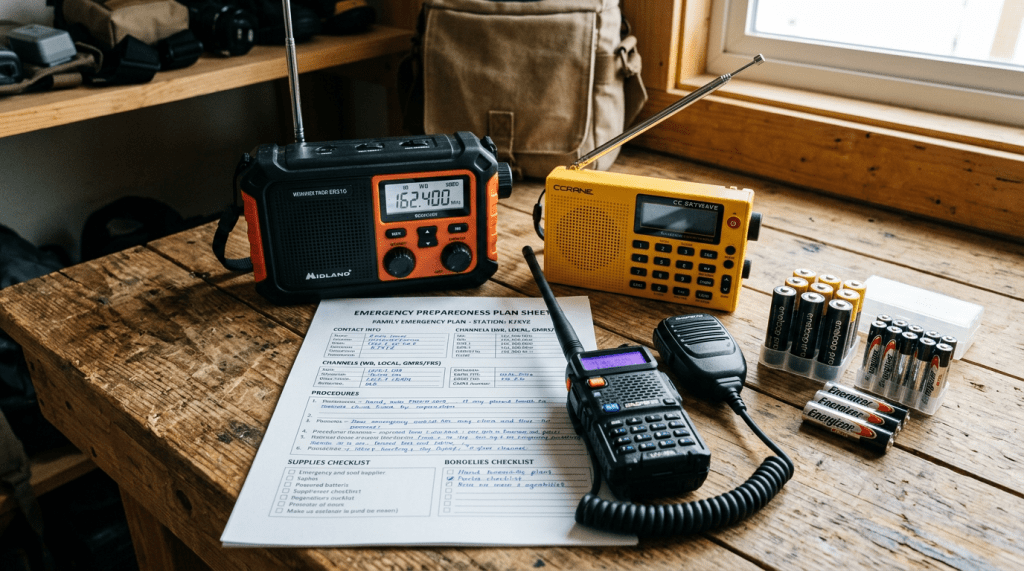
Because cell service may be unreliable or unavailable, it’s important to have alternative means of communication and navigation. Bring a map and compass or a GPS device, and let someone at home know your planned route, campsite location, and expected return time. If possible, carry a satellite messenger or emergency beacon that can send distress signals and your location to emergency responders.
In addition to physical preparedness, have a clear plan for what to do in various emergency scenarios. For example, if your pet is injured, assess the severity of the situation: minor wounds can often be treated at camp, while serious injuries or symptoms like difficulty breathing, persistent vomiting, or loss of consciousness require immediate evacuation to a veterinary clinic. If your pet becomes lost, have recent photos and identification information ready to share with local authorities or search parties.
Finally, keep your pet’s medical records, vaccination certificates, and microchip information with you. These documents may be needed if you seek veterinary care or if your pet is found by someone else.
By proactively planning for emergencies—knowing where to find help, carrying the right supplies, and preparing for communication challenges—you greatly increase your ability to respond effectively to unexpected situations, ensuring your pet’s safety and your peace of mind while enjoying the adventure of dispersed camping.
Summary Table: Key Considerations for Dispersed Camping with Pets
| Aspect | Recommendations |
|---|---|
| Destination | Choosing the right destination is foundational. Not all public lands or dispersed camping areas are pet-friendly, and regulations can vary widely. Some areas may require pets to be leashed at all times, while others may restrict pets from certain trails or sensitive habitats. Beyond regulations, consider the terrain—steep, rocky, or densely vegetated areas may be challenging for some pets. Research potential hazards such as local wildlife, poisonous plants, or extreme weather conditions. This preparation helps you select a location that matches your pet’s abilities and ensures a safer, more enjoyable experience. |
| Packing | When packing for camping with your pet, it’s essential to bring enough of their regular food and potable water, storing both securely to prevent wildlife attraction. Ensure your pet has up-to-date identification, such as a collar tag and microchip, in case they get lost. A sturdy leash and harness are necessary for safety and control, while a pet-specific first aid kit prepares you for minor injuries or emergencies. Finally, bring plenty of waste bags (and a trowel if burying is allowed) to responsibly manage your pet’s waste and protect the environment. Thoughtful packing of these essentials ensures your pet’s health, safety, and comfort throughout your camping adventure. |
| Campsite Selection | Where you set up camp has a direct impact on your pet’s safety and the environment. Always choose a site at least 200 feet from water sources to protect fragile ecosystems and prevent contamination. Look for flat, shaded areas free from hazards like sharp rocks, thorny plants, or insect nests. Consider proximity to trails or roads—sites farther from high-traffic areas reduce the risk of your pet encountering strangers or wildlife. A well-chosen campsite provides comfort, security, and environmental stewardship. |
| Supervision | Even in remote areas, pets should never be left unattended. Supervision is key to preventing accidents, wildlife encounters, or your pet wandering off. Use a leash, long lead, or portable pen to establish clear boundaries. Training your pet to respond reliably to recall commands adds an extra layer of safety, especially if they become startled or distracted. Consistent supervision and training protect your pet and respect the experience of other campers. |
| Waste Management | Responsible waste management is essential for environmental health and the reputation of pet owners. Always pack out pet waste in sealed bags, or, where permitted, bury it at least 6-8 inches deep and 200 feet from water sources. This practice prevents the spread of disease, protects wildlife, and keeps natural areas pristine for future visitors. Following Leave No Trace principles demonstrates respect for the land and its inhabitants. |
| Wildlife | Remote camping areas are home to a variety of wildlife, some of which can pose risks to pets. Keeping your pet close—on a leash or in a pen—minimizes the chance of dangerous encounters with snakes, bears, coyotes, or other animals. Use flea and tick preventatives, and ensure vaccinations are up to date to protect against diseases carried by wildlife. Awareness and prevention are your best defenses against wildlife-related hazards. |
| Weather | Weather conditions can change rapidly in the backcountry. Prepare for extremes by packing appropriate gear: insulated jackets or blankets for cold, cooling vests and paw protection for heat, and waterproof gear for rain. Monitor your pet for signs of heatstroke, hypothermia, or dehydration, and adjust activities as needed. Being proactive about weather preparedness keeps your pet comfortable and safe, regardless of conditions. |
| Emergencies | Emergencies can happen at any time, especially in remote areas where help may be far away. Know the location of the nearest veterinary services and have a plan for reaching them. Carry a comprehensive pet first aid kit and familiarize yourself with basic first aid procedures. Because cell service may be unreliable, bring maps, emergency contacts, and consider a satellite communication device. Preparedness ensures you can respond quickly and effectively if your pet becomes ill or injured. |
By considering each of these aspects in detail, you create a foundation for safe, enjoyable, and responsible dispersed camping with your pet. This holistic approach not only protects your animal companion but also helps preserve the wild places you both love to explore.
Conclusion
Travelling and dispersed camping with pets is more than just a recreational activity—it is an opportunity to deepen the connection between you and your animal companion while experiencing the wonders of the natural world together. The shared adventure of exploring new landscapes, overcoming challenges, and enjoying quiet moments in the wild can strengthen the bond of trust and affection that exists between humans and their pets. For many, watching a dog joyfully bound through a meadow or curl up contentedly by the campfire is one of the most rewarding aspects of outdoor life.
However, the freedom and beauty of dispersed camping come with significant responsibilities. Unlike developed campgrounds, remote sites require pet owners to be entirely self-sufficient and proactive in their planning. This means researching destinations to ensure they are pet-friendly, packing all necessary supplies, and preparing for a range of scenarios—from sudden weather changes to wildlife encounters and medical emergencies. Each step of preparation is an act of care, ensuring that your pet remains safe, healthy, and comfortable throughout the journey.
Respect for nature is at the heart of responsible camping. By following Leave No Trace principles, managing pet waste properly, and minimizing your impact on the environment, you help preserve wild places for future generations of campers and wildlife alike. This respect extends to other campers as well, as keeping pets supervised and under control ensures that everyone can enjoy the peace and solitude that dispersed camping offers.
Safety is a continuous commitment, not just a checklist item. It involves constant supervision, adapting to changing conditions, and being ready to respond to emergencies. It also means understanding your pet’s limits and needs, providing them with comfort and reassurance in unfamiliar surroundings, and making decisions that prioritize their well-being.
The rewards of camping with pets are profound. The experience fosters resilience, adaptability, and a sense of partnership as you navigate the challenges and joys of the outdoors together. With thoughtful preparation, a deep respect for the natural world, and a steadfast commitment to safety, pet owners can create lasting memories and nurture a relationship with their pets that is enriched by the shared adventure of wild places.



 UTAZCO Overland
Leave a Reply